
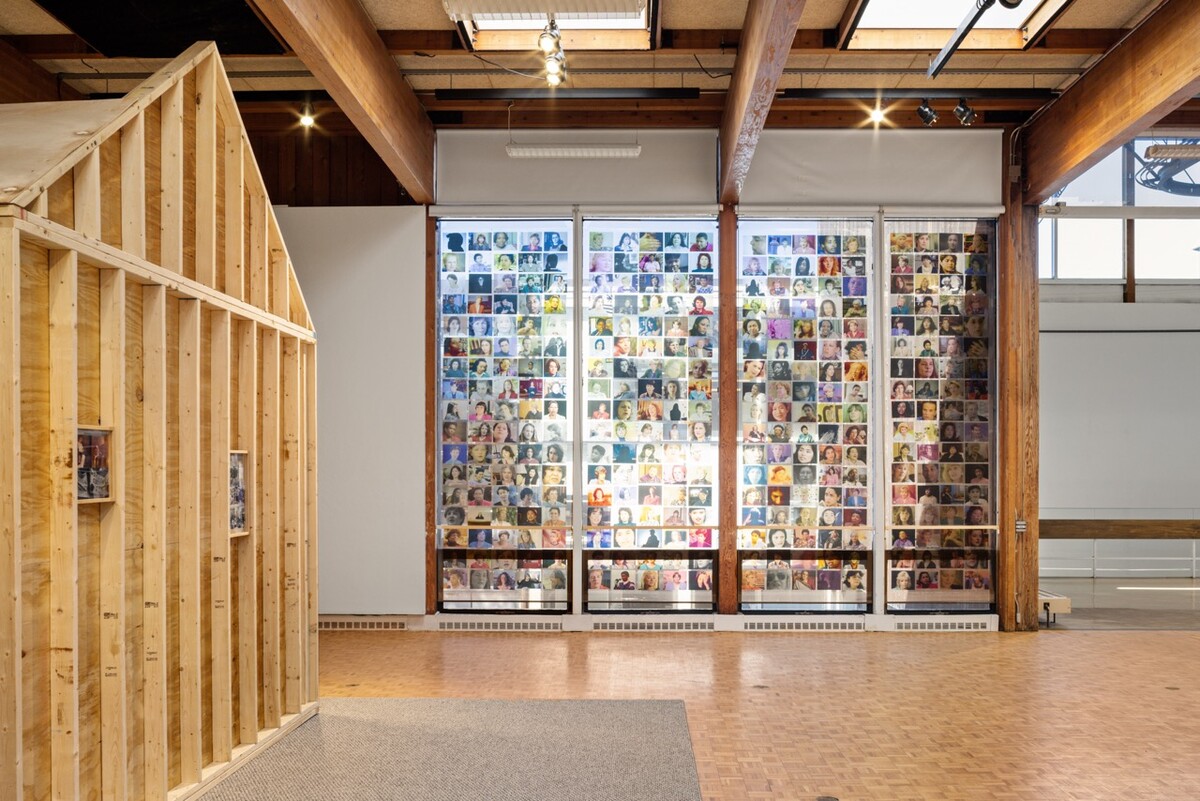
In her new project Double Jeopardy, artist Carmen Winant for the first time turns to video as both medium and historical subject matter. Drawing on VHS tapes from the archive of the National Coalition Against Domestic Violence (NCADV), as well as documents from the personal archive of activist Yolanda Bako, Double Jeopardy examines the formation of the domestic violence movement during the 1970s and ’80s—a period when feminist organizing, survivor advocacy, and new technology converged under urgent political and social pressures.
With a practice anchored in archival research and the re-imagination of feminist material histories, Winant is celebrated for large-scale collage installations and artist’s books that recontextualize existing photographic imagery. Here, she extends her inquiry into video by digitizing and applying her collagist strategies to more than 200 cassettes held in NCADV storage, footage unseen for decades.
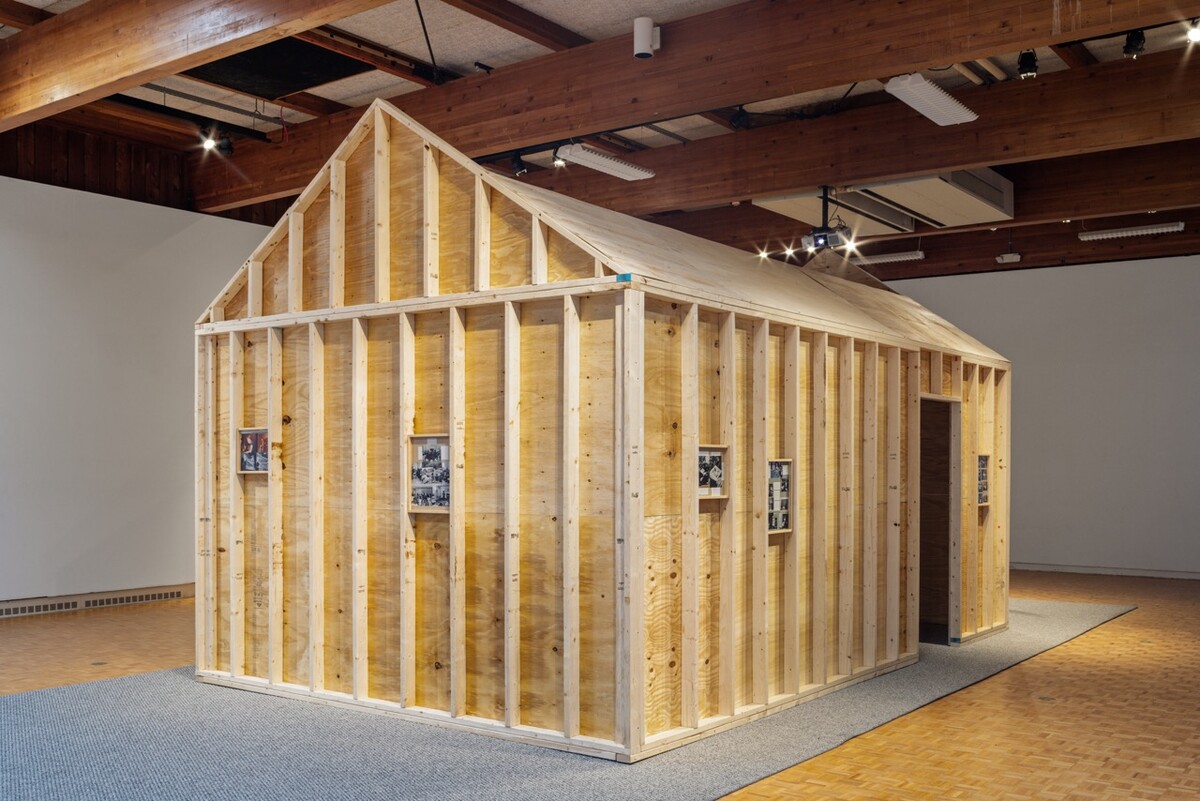
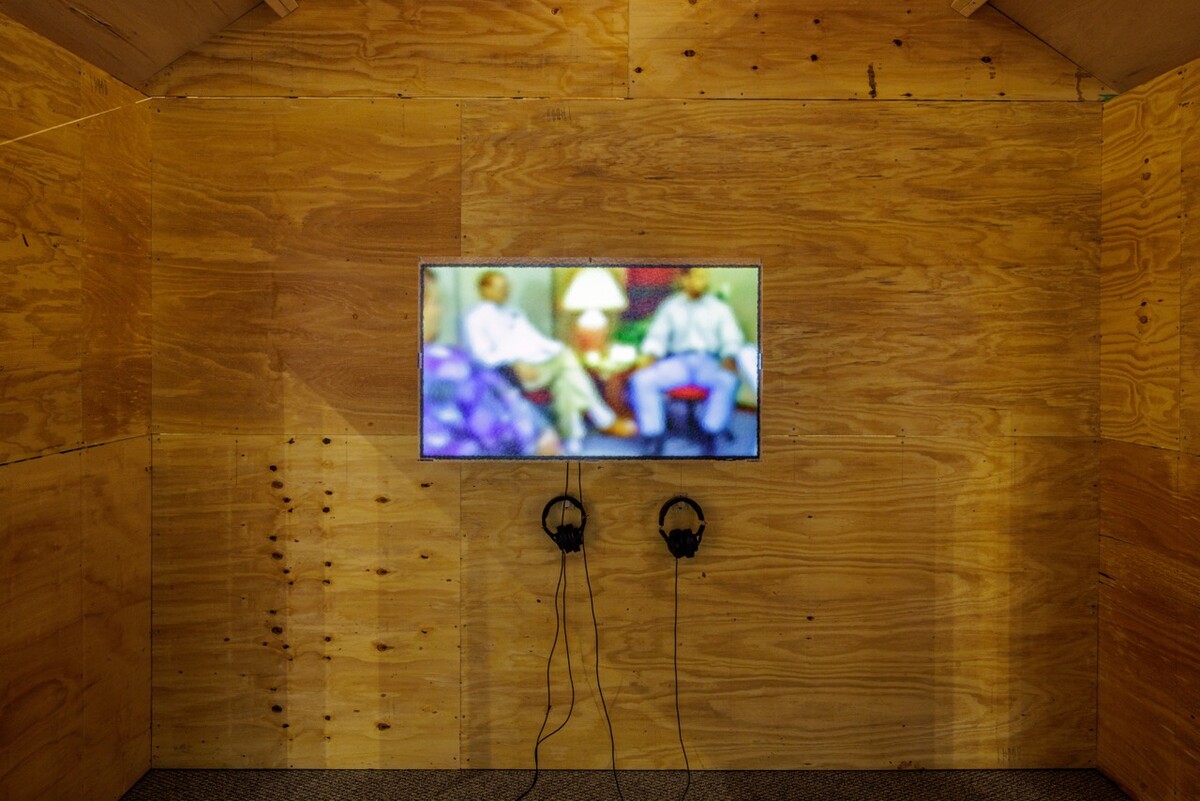
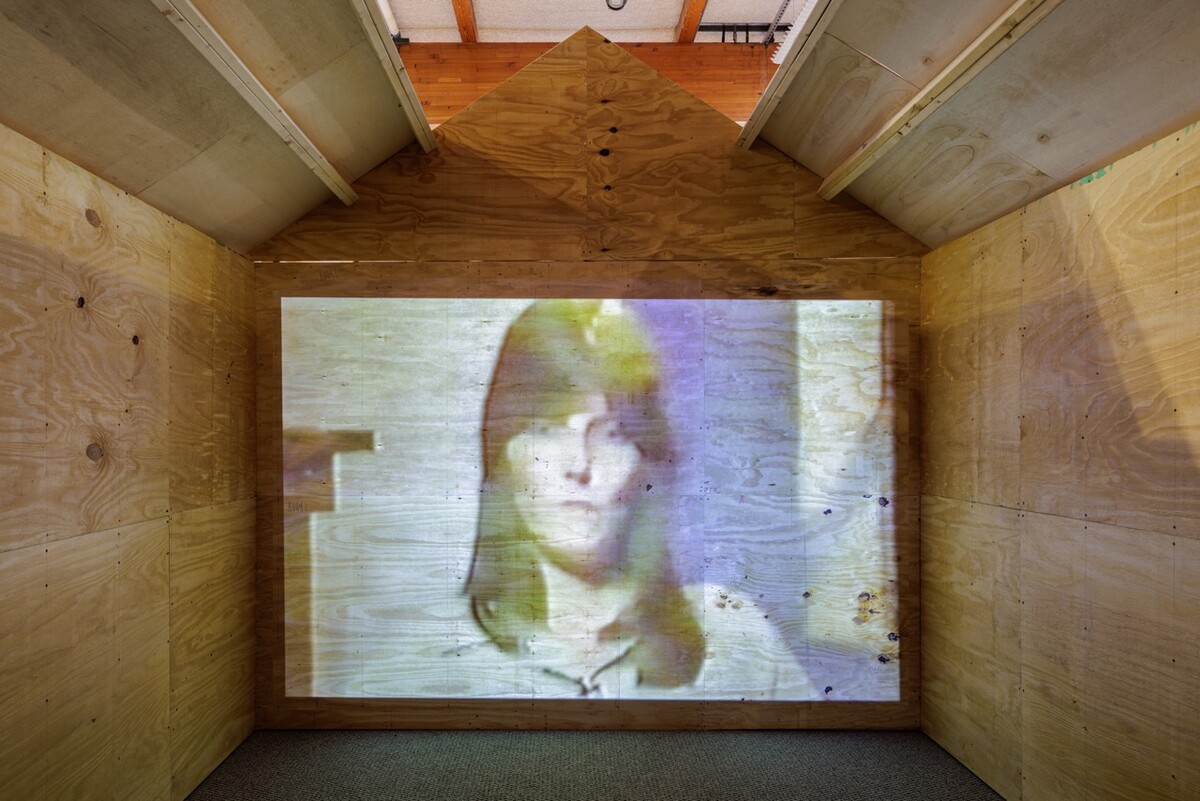
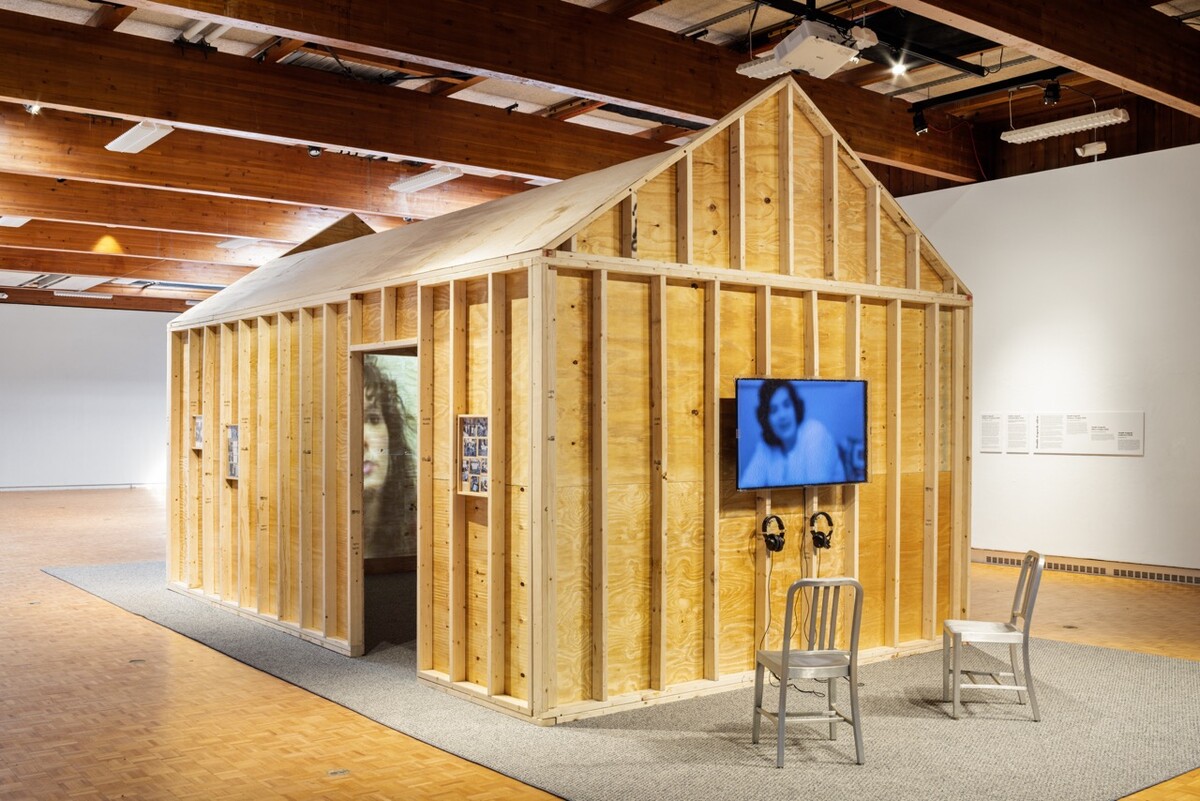
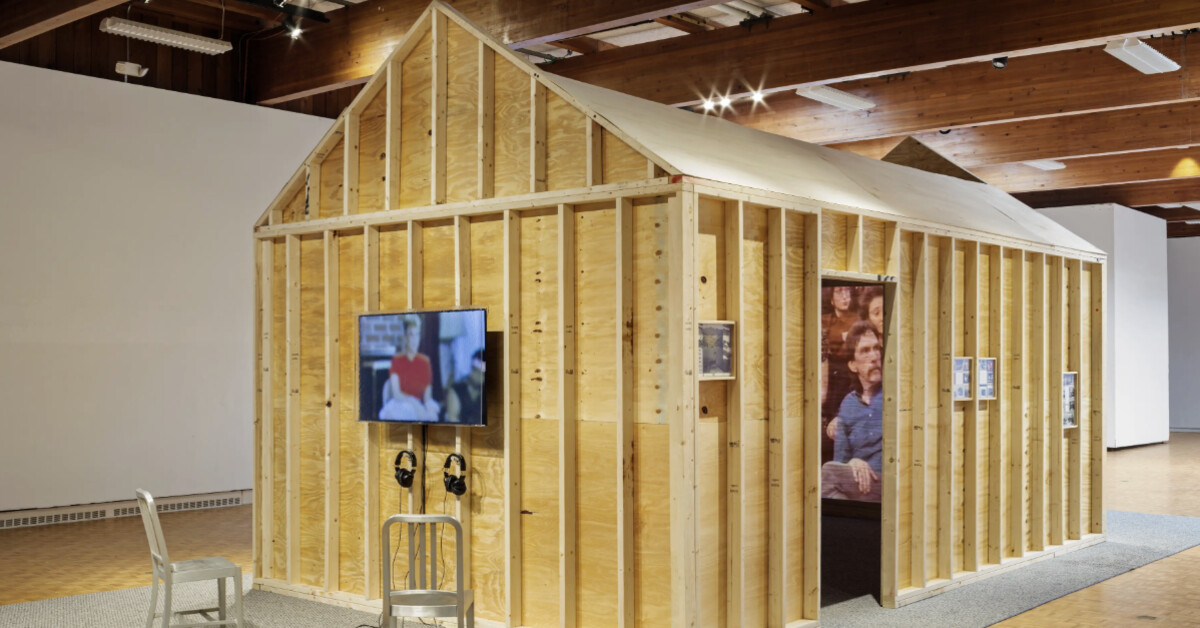
The resulting artworks—a vast array of video-still portraits and three videos, respectively, of women’s groups, men’s groups, and audiences listening to accounts of trauma and recovery—form the core of Double Jeopardy. They underscore the simultaneous emergence of the domestic violence movement and video as a DIY medium crucial to supporting the grassroots efforts of the movement itself.
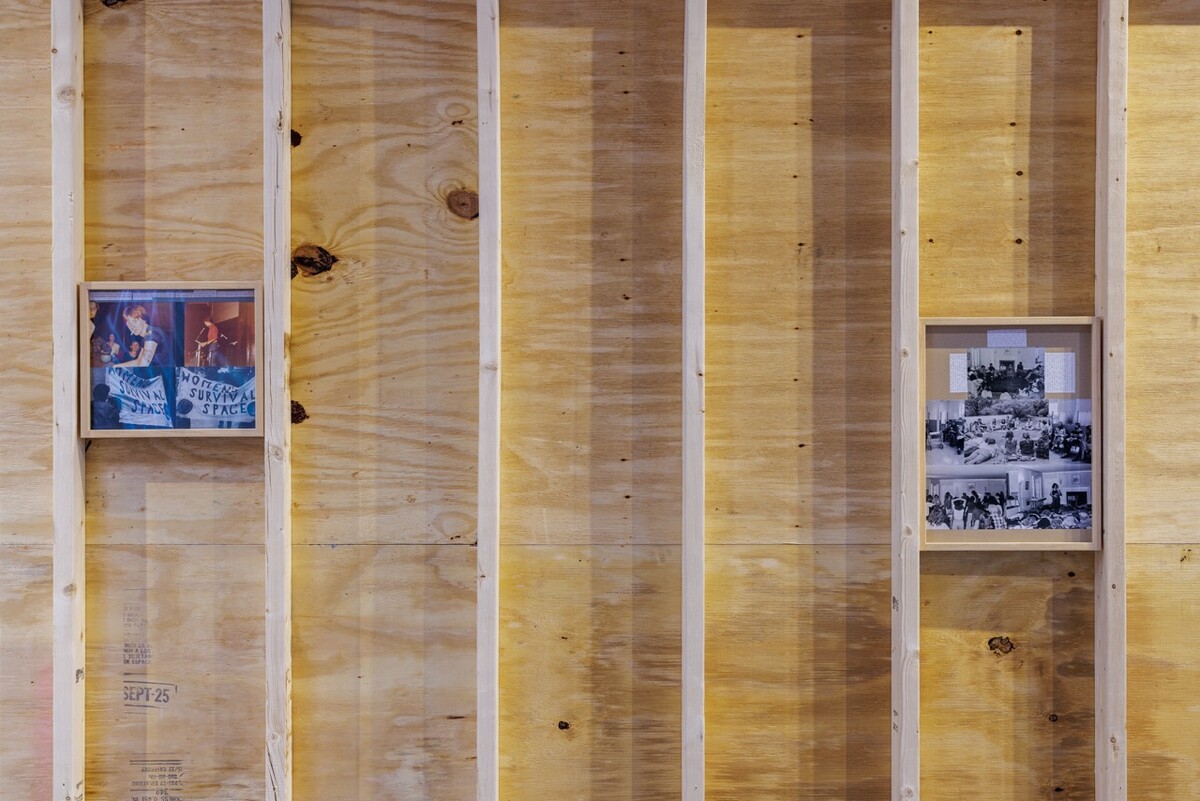
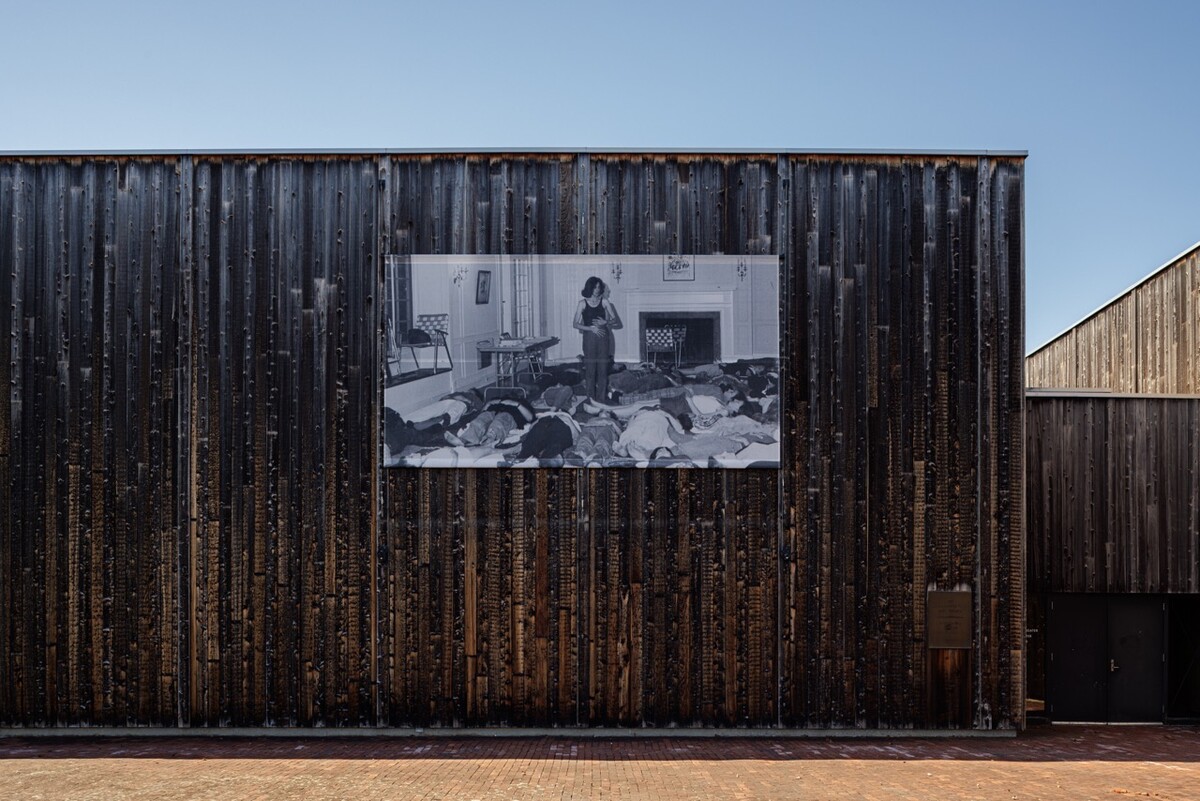
Complementing the video content are framed collages of photos and ephemera from Bako’s archive paired with short texts from interviews conducted by the artist. These intimate works offer a singular narrative of one woman’s life in the movement. Extending the exhibition into the campus landscape, a photograph from Bako’s archive appears as a banner on the exterior of the Helen Frankenthaler Visual and Performing Arts Center.
Double Jeopardy marks the second chapter of Winant’s work with NCADV holdings, following a project in 2022. Returning to the archive, she approaches its materials not as historical artifacts to be stabilized but as living records of labor, care, and resistance. The exhibition does not offer closure or resolution. Instead, it proposes a constellation of images and voices that make visible the often-unacknowledged work of survivors and advocates that laid the foundation for ongoing struggles toward safety, justice, and autonomy.
Carmen Winant: Double Jeopardy
The Brooklyn Rail
Apr 23, 2026
Apr 23, 2026