
The Armory Show 2026
Focus Section | Booth F20
PATRON announces our participation in The Armory Show 2026, with a solo-presentation of new work by Jamaican artist Simon Benjamin in the Focus Section, curated by Maria Elena Ortiz, Curator at The Fort Worth Modern. For The Armory Show, Benjamin presents an installation centered on a freestanding wooden armature modeled after traditional Caribbean fish pots or ‘fish traps’. Suspended from this architectural matrix, paintings, geological core samples, and a two-channel video work unfold as a constellation of interconnected histories.
Working across sculpture, painting, installation, and video, Benjamin draws upon material and visual cultures of the Caribbean to examine how histories of extraction continue to shape contemporary relationships to place. Tapping into Benjamin’s continued research into environmental and cultural histories of the Caribbean, the presentation considers the Jamaican fish pot as both a functional object and a metaphorical structure. Long used throughout the Caribbean, the fish pot embodies cycles of labor, survival, and exchange while simultaneously evoking systems of capture, circulation, and extraction. Here, its open wooden framework becomes an armature for memory, allowing distinct bodies of work to coexist within a shared ecology.
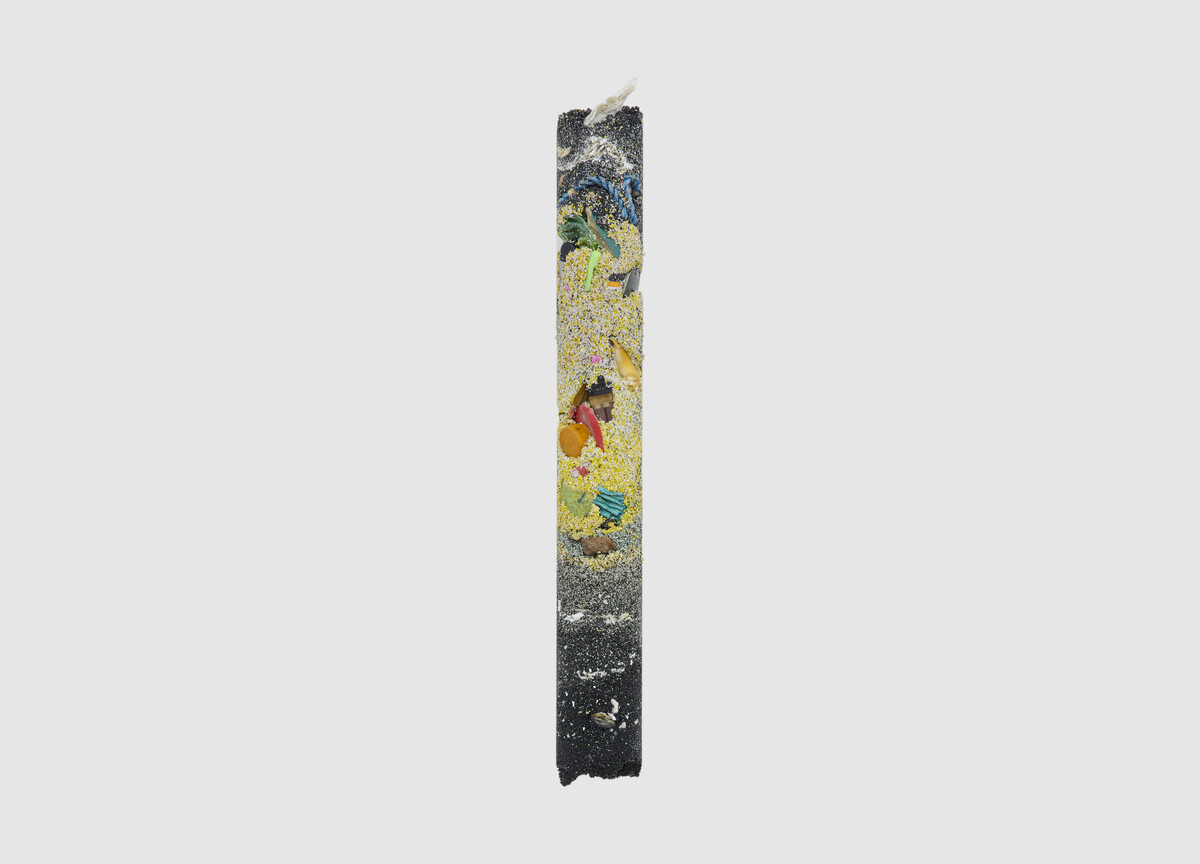
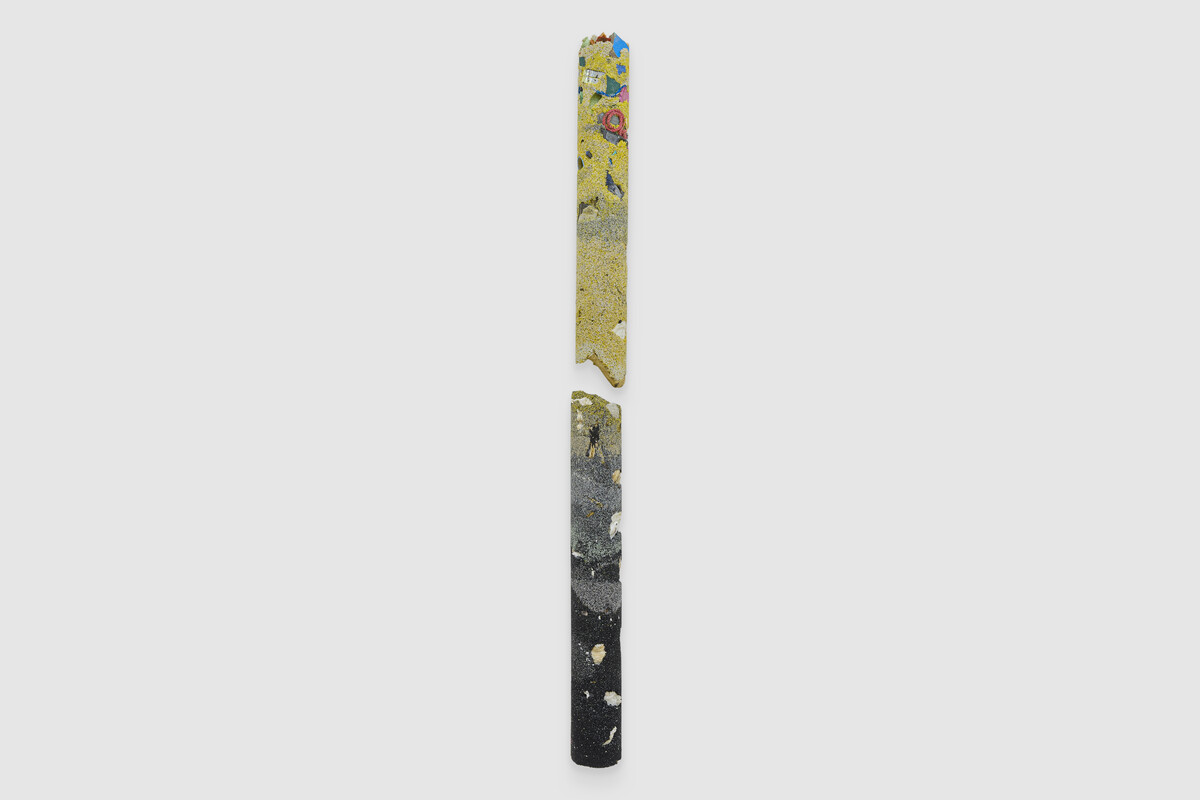
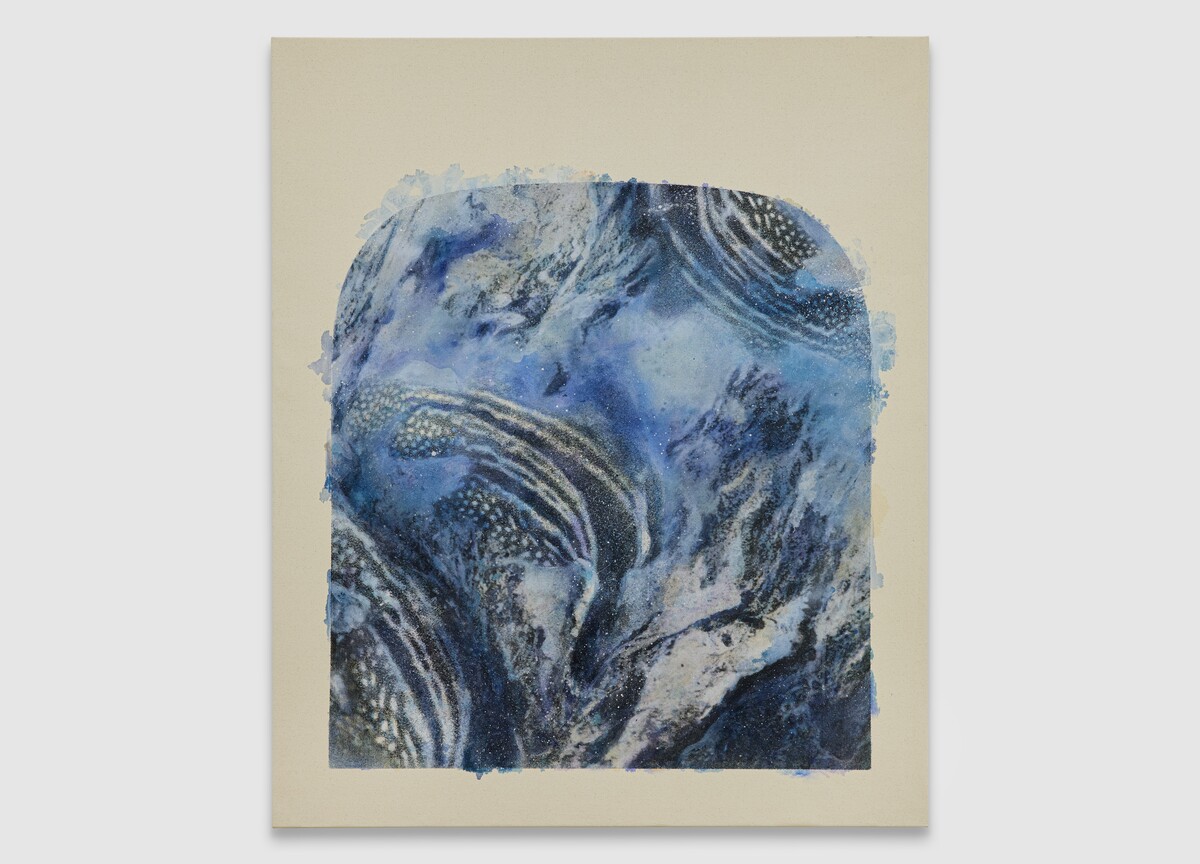
Constructed from cornmeal, sand, resin, and detritus gathered from the shores of the southern coast of Jamaica in the wake of Hurricane Melissa, Benjamin’s core sample sculptures borrow their forms from geological extraction tools, implying an excavation of deep time and human history. Operating within a scientific aesthetic meant to render concepts of land into flattened narratives, Benjamin’s core samples construct alternative archives, embedding overlooked narratives of colonialism, migration, environmental change, and place within their sedimented surfaces.
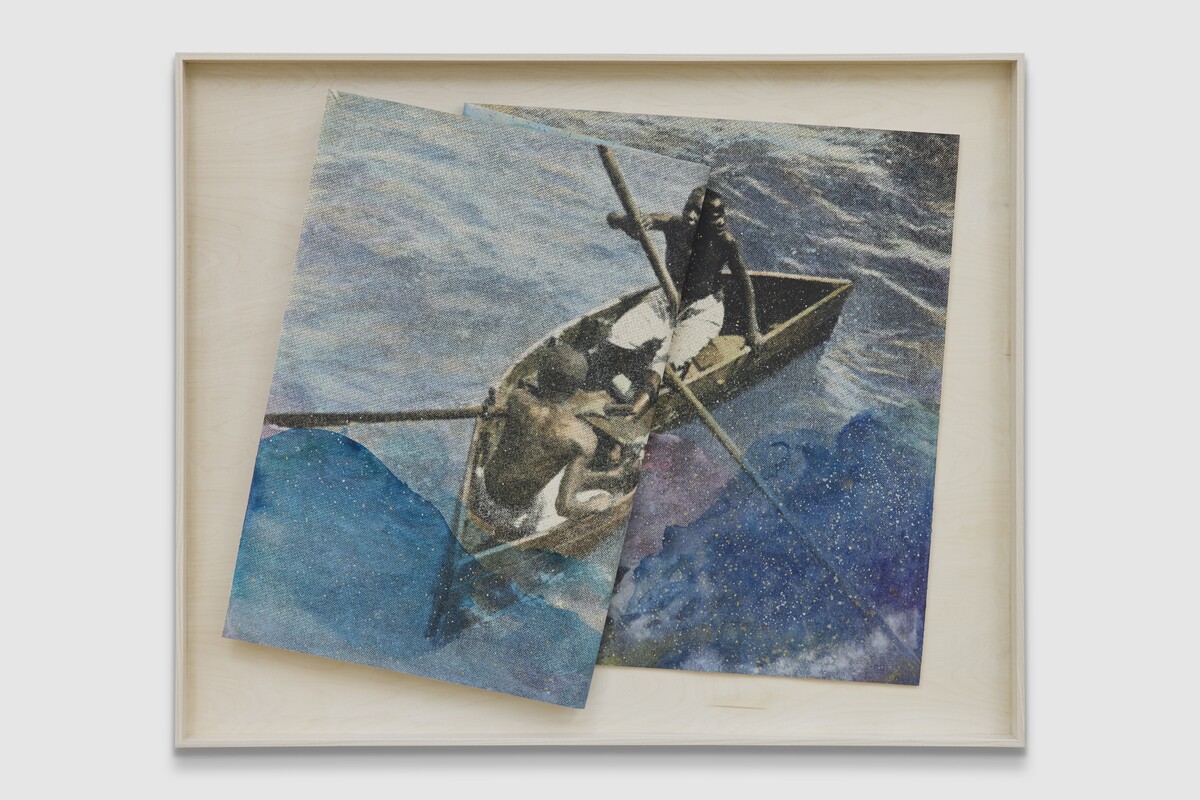
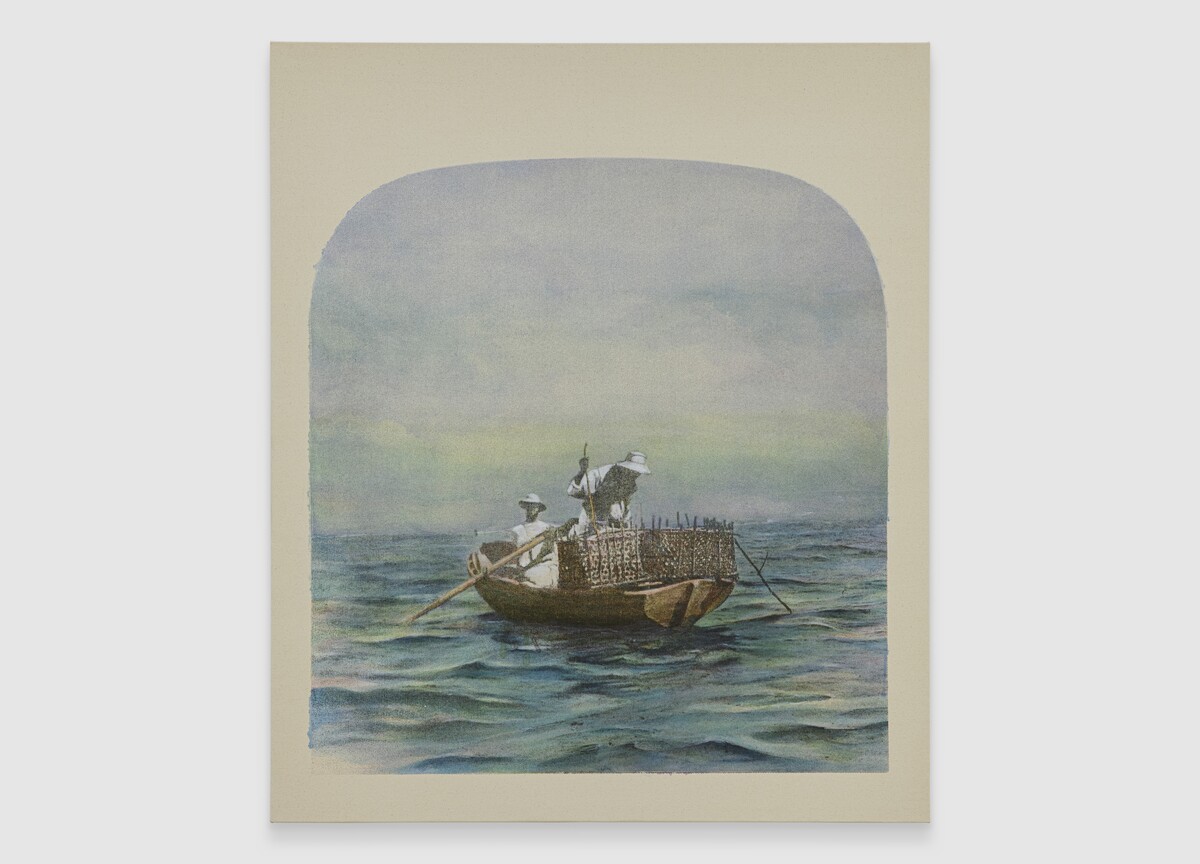
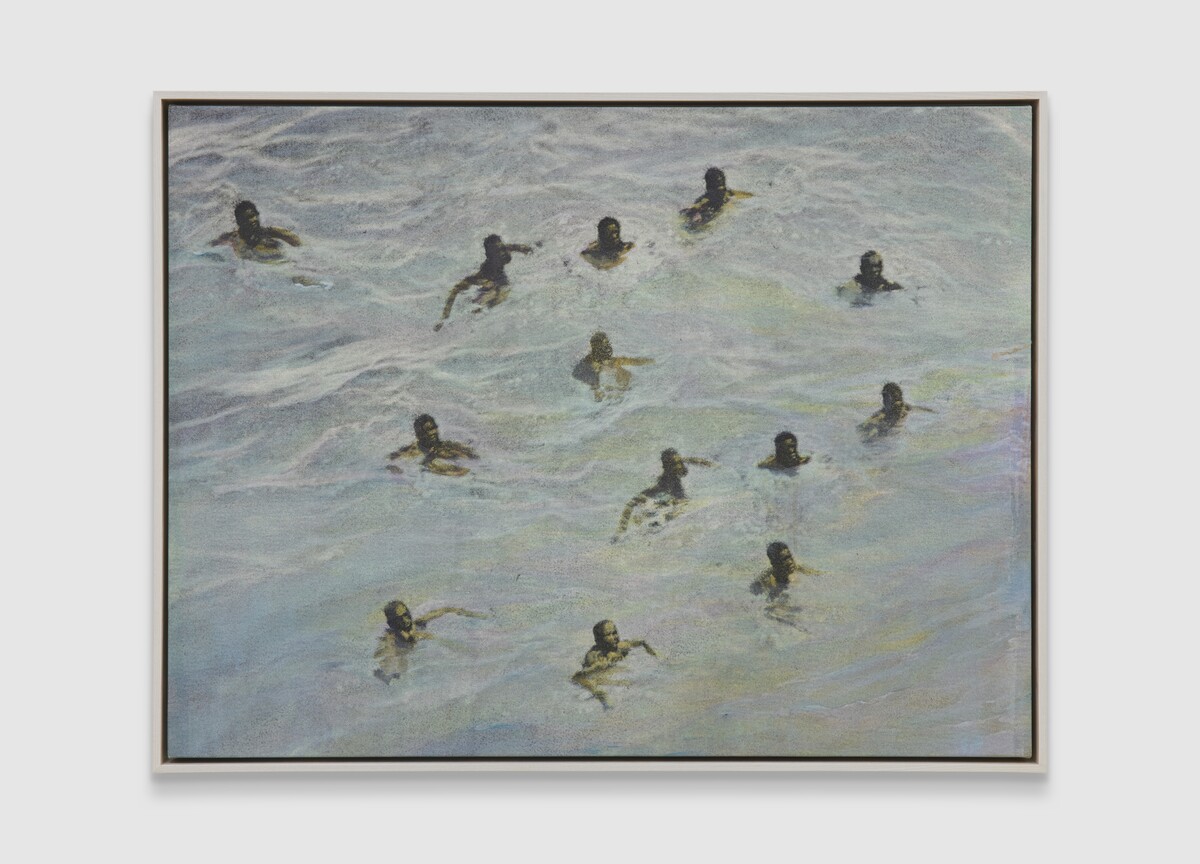
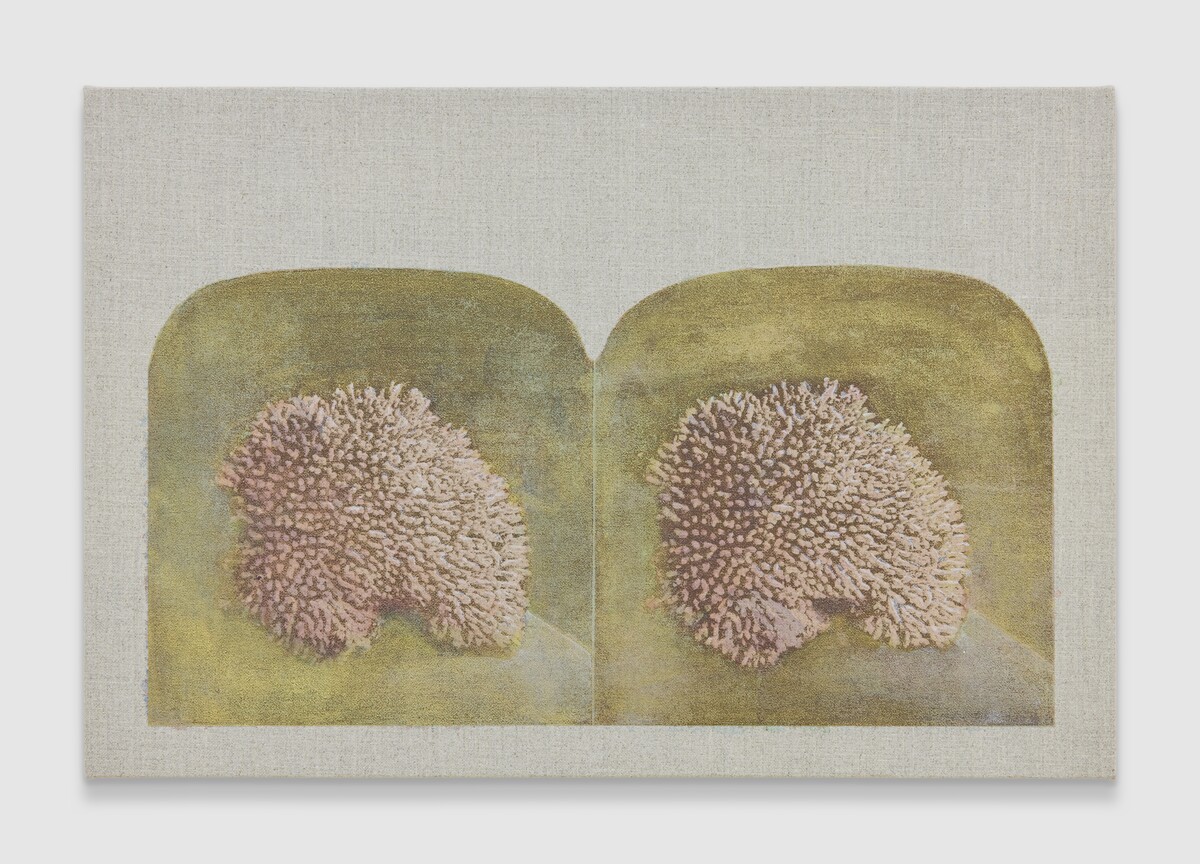
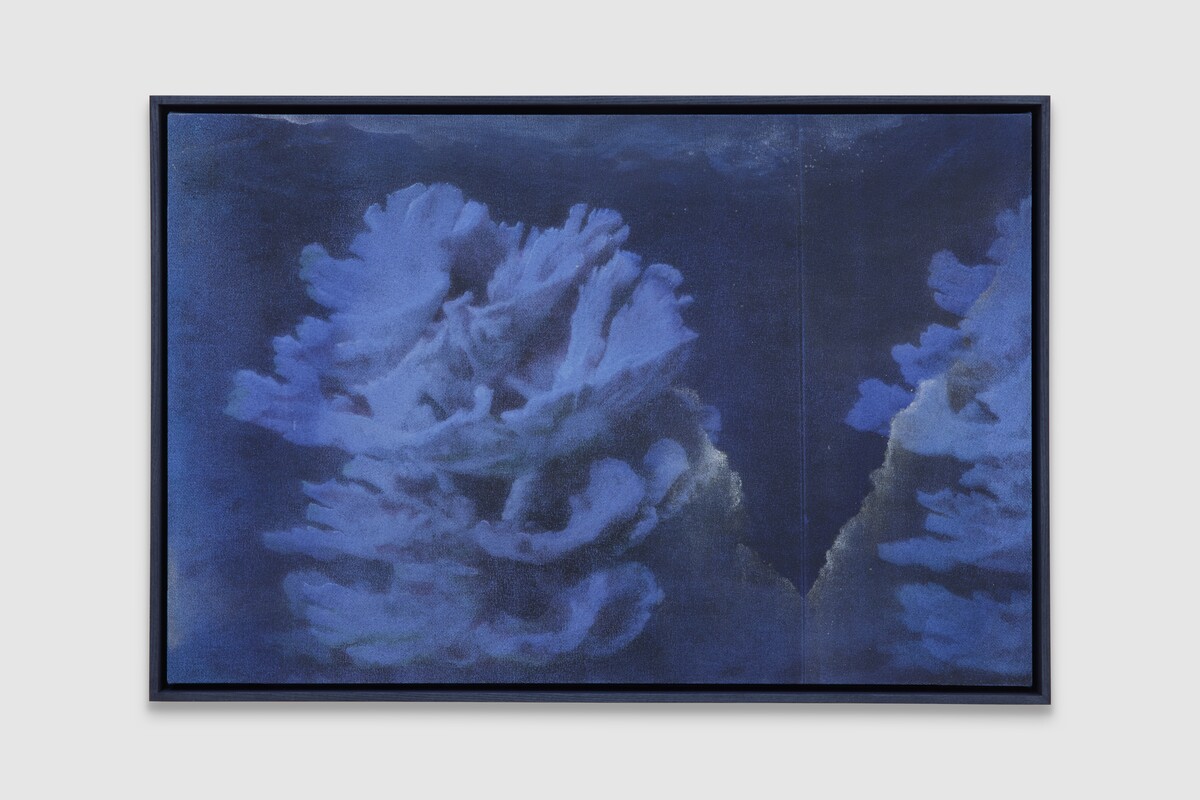
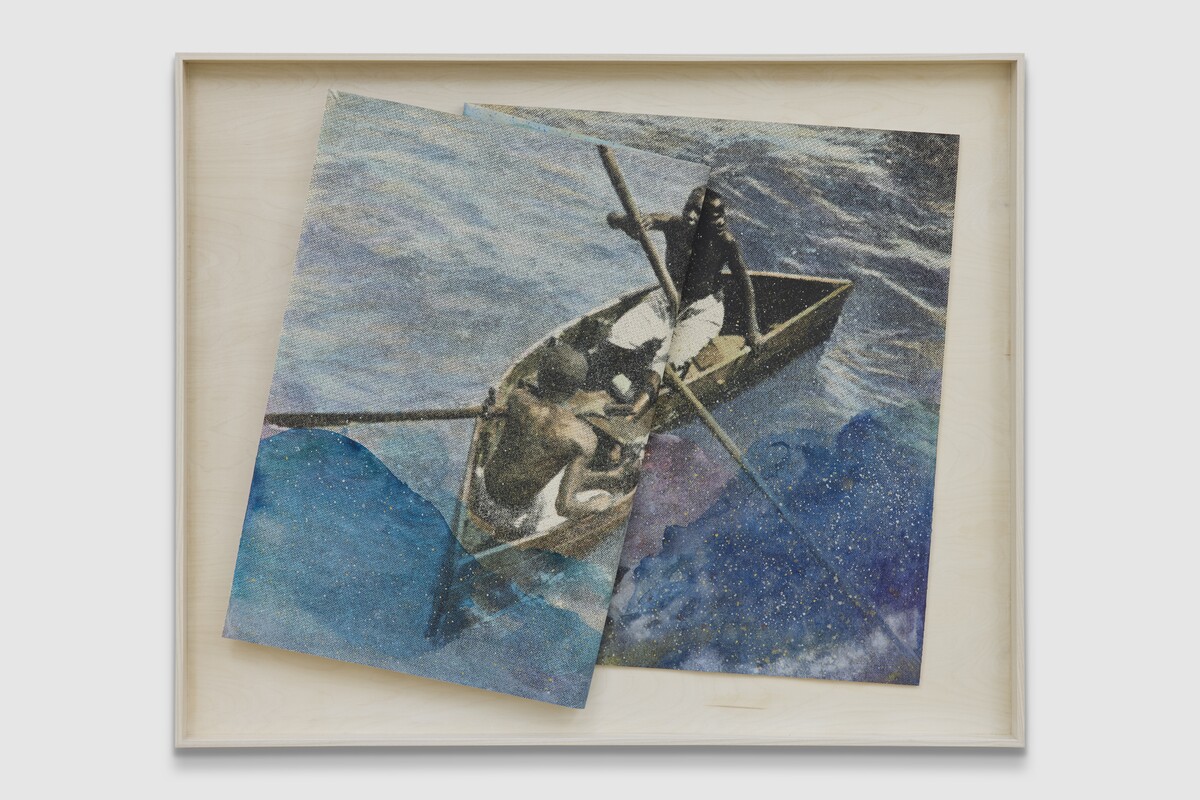
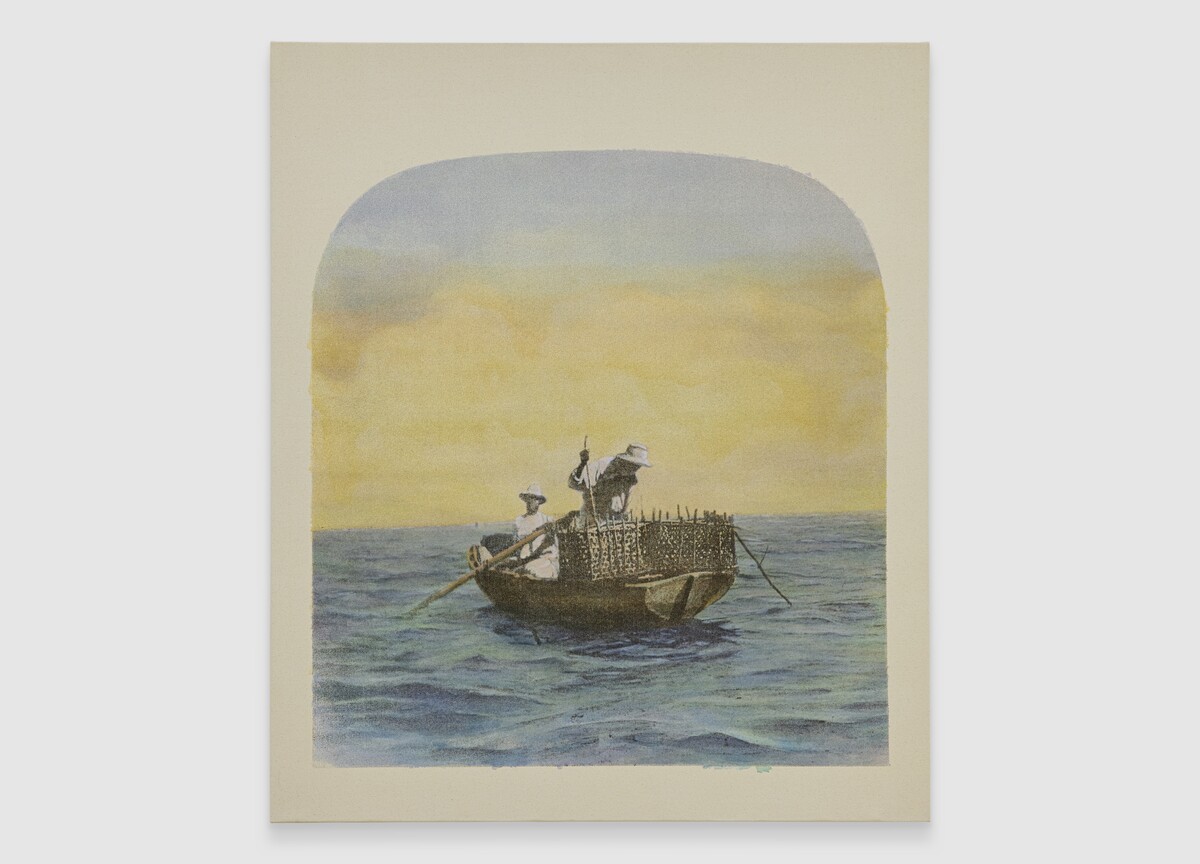
Ideas of cyclical time, and repeating histories reappear in Benjamin’s paintings, which draw upon archival photographs of Jamaican watermen, transferred through silkscreen and reactivated through a painting process, akin to early photographic color hand tinting techniques. These works subvert the circulation of images produced through systems of Western tourism, proposing memory and national identity as fluid, contested, and continually rewritten.
Completing the installation is a two-channel video work from Benjamin’s ongoing Tidalectic series. Filmed from aboard commercial glass-bottom boats off the coast of Jamaica, the work positions the artist’s own gaze within a lineage of oceanic surveillance. Oscillating between touristic consumption, island economies, oil and mineral prospecting and the artist’s embodied experience, the video considers the sea as a liminal space onto which histories, desires, and systems of extraction continue to be projected. The installation collapses distinctions between surface and depth, archive and lived experience, extending Benjamin’s ongoing inquiry into the fluid relationship between landscape, memory, and the afterlives of colonialism.
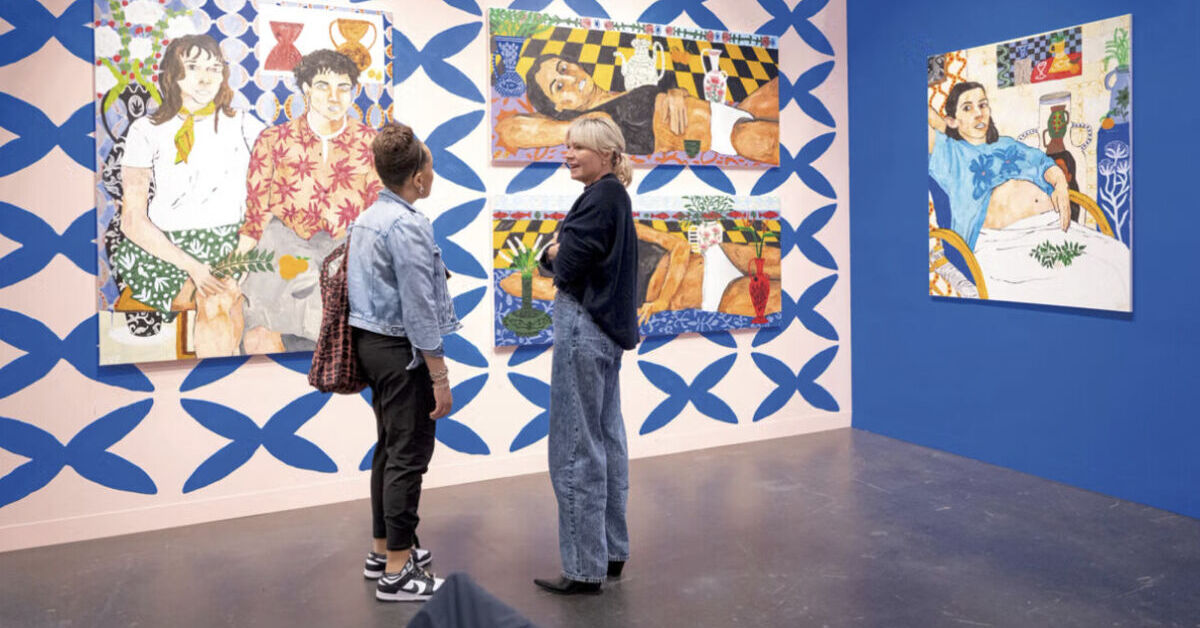
The Armory Show spotlights Caribbean artists and galleries
The Art Newspaper
Sep 23, 2026
Sep 23, 2026