
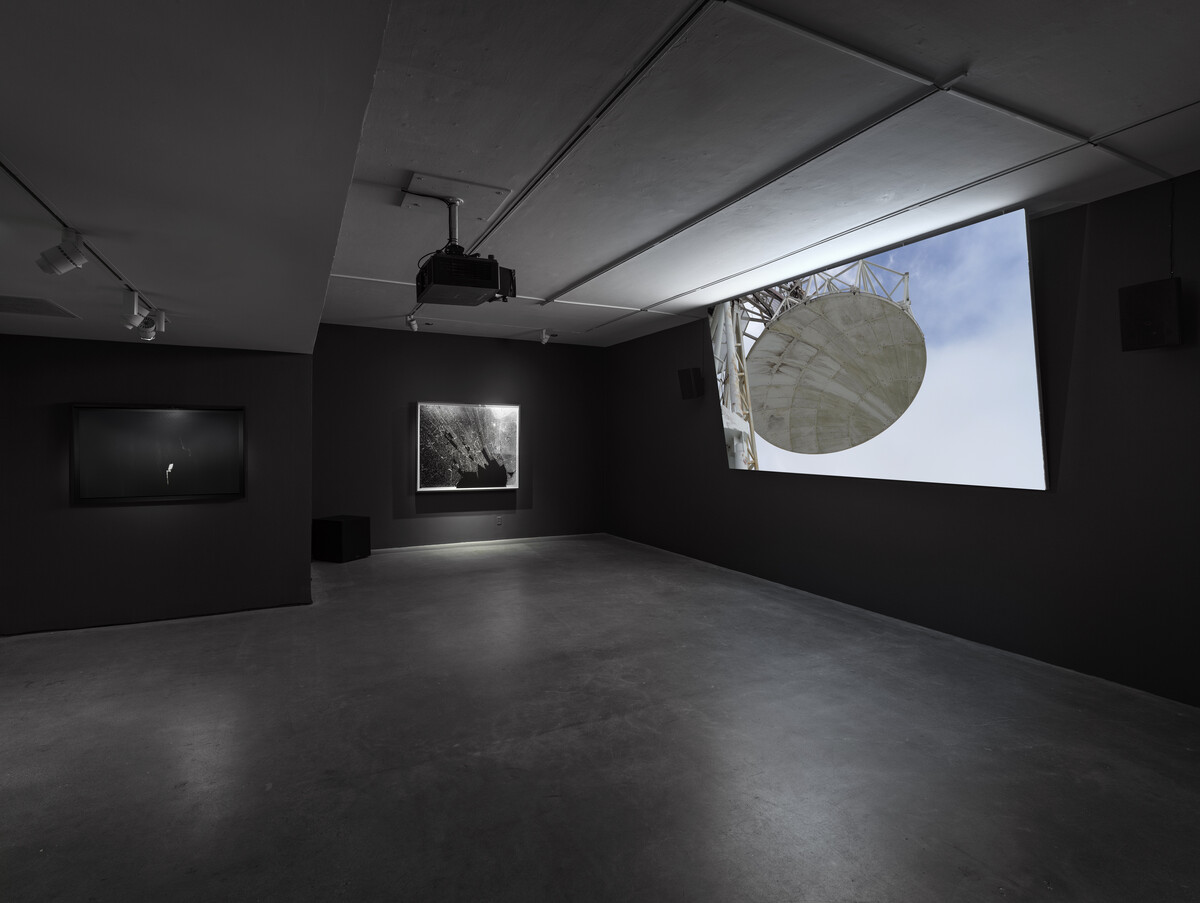
Brittany Nelson’s practice moves between the speculative frontiers of science and science fiction to surface hidden histories, emotional residues, and institutional artifacts.
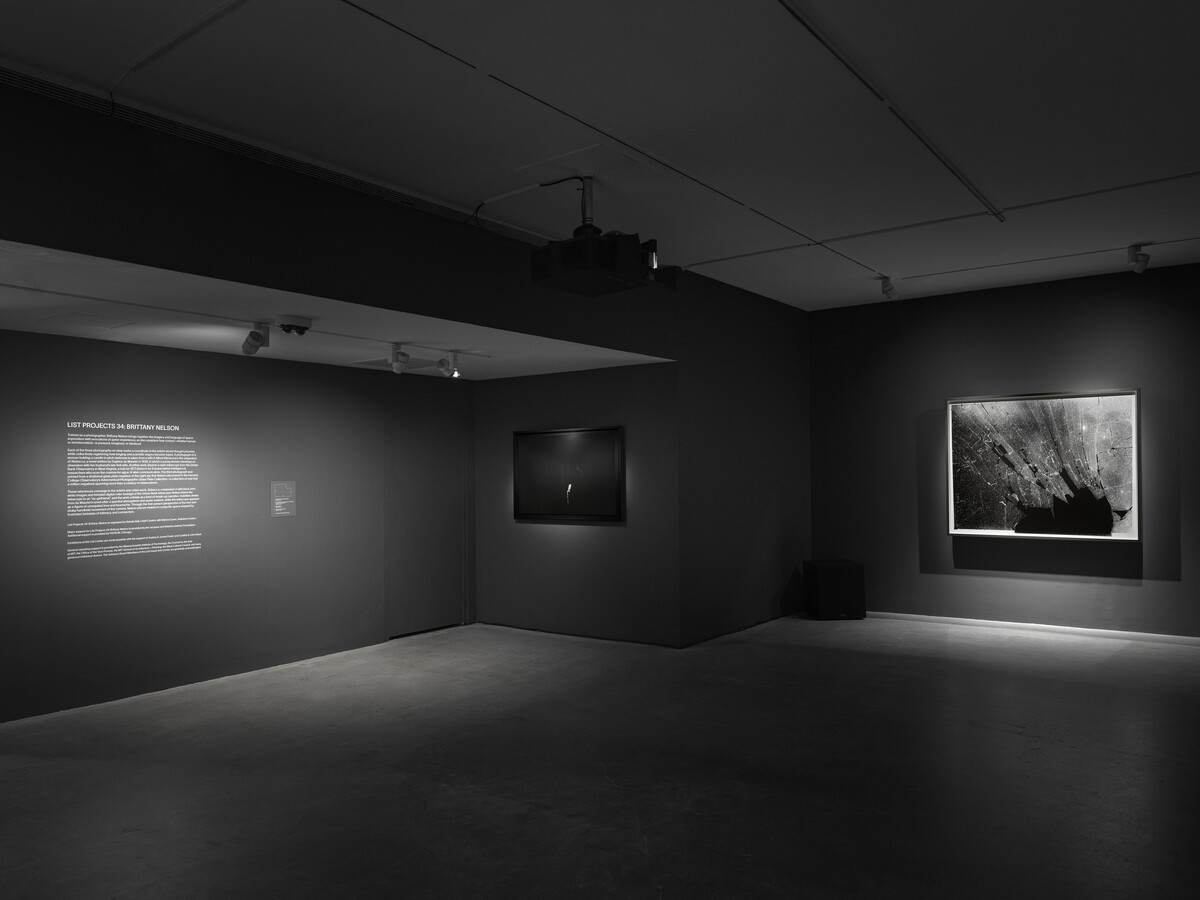
Trained as a photographer, Nelson often reimagines analog chemical techniques, such as mordançage, bromoil, and tintype, while drawing on extensive archival research. The imagery and language of space exploration have been touchstones for Nelson as she considers how contact—whether human or extraterrestrial—is pursued, imagined, or idealized. In recent projects, Nelson draws out the psychological dimensions of science fiction and literature, where projection operates not only as imagining speculative futures but also as idealization or infatuation—means of externalizing memory, desire, estrangement, and longing.
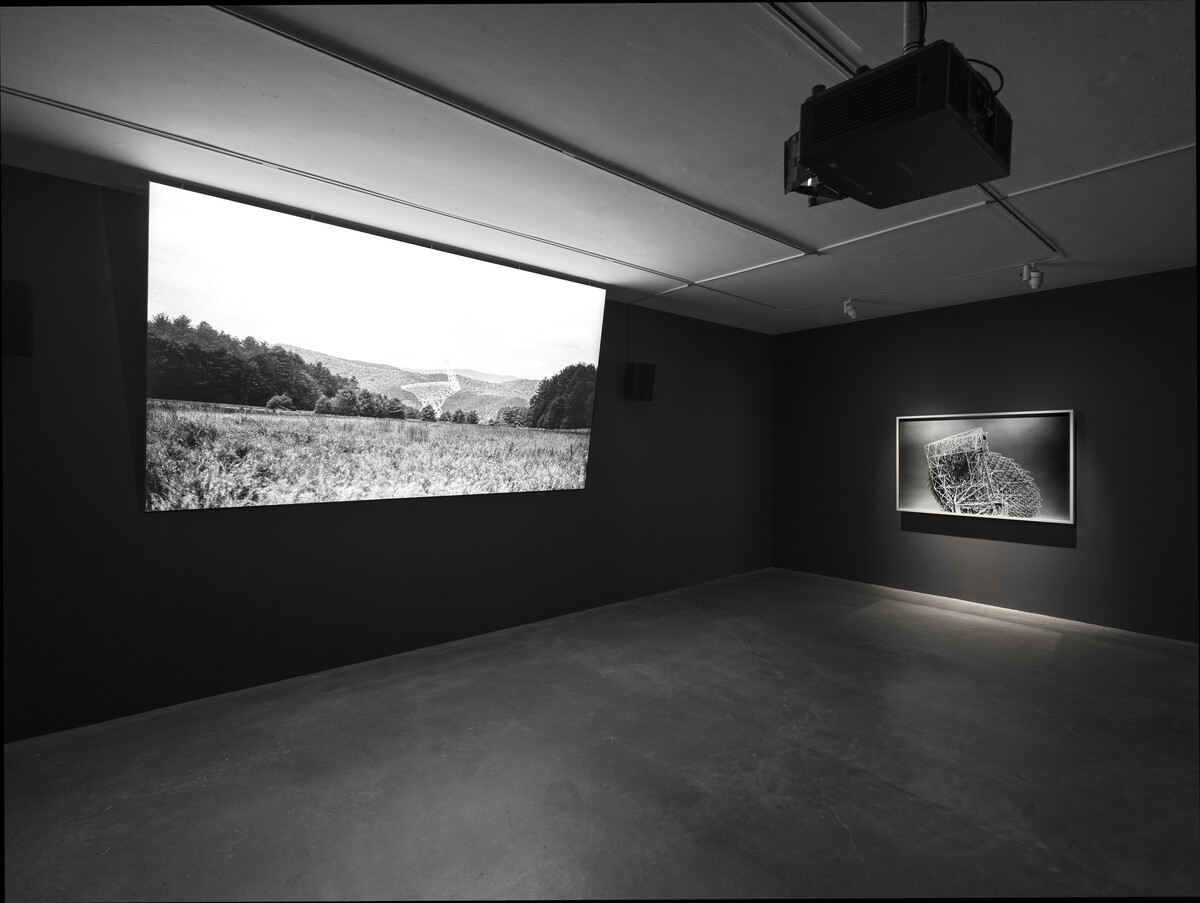
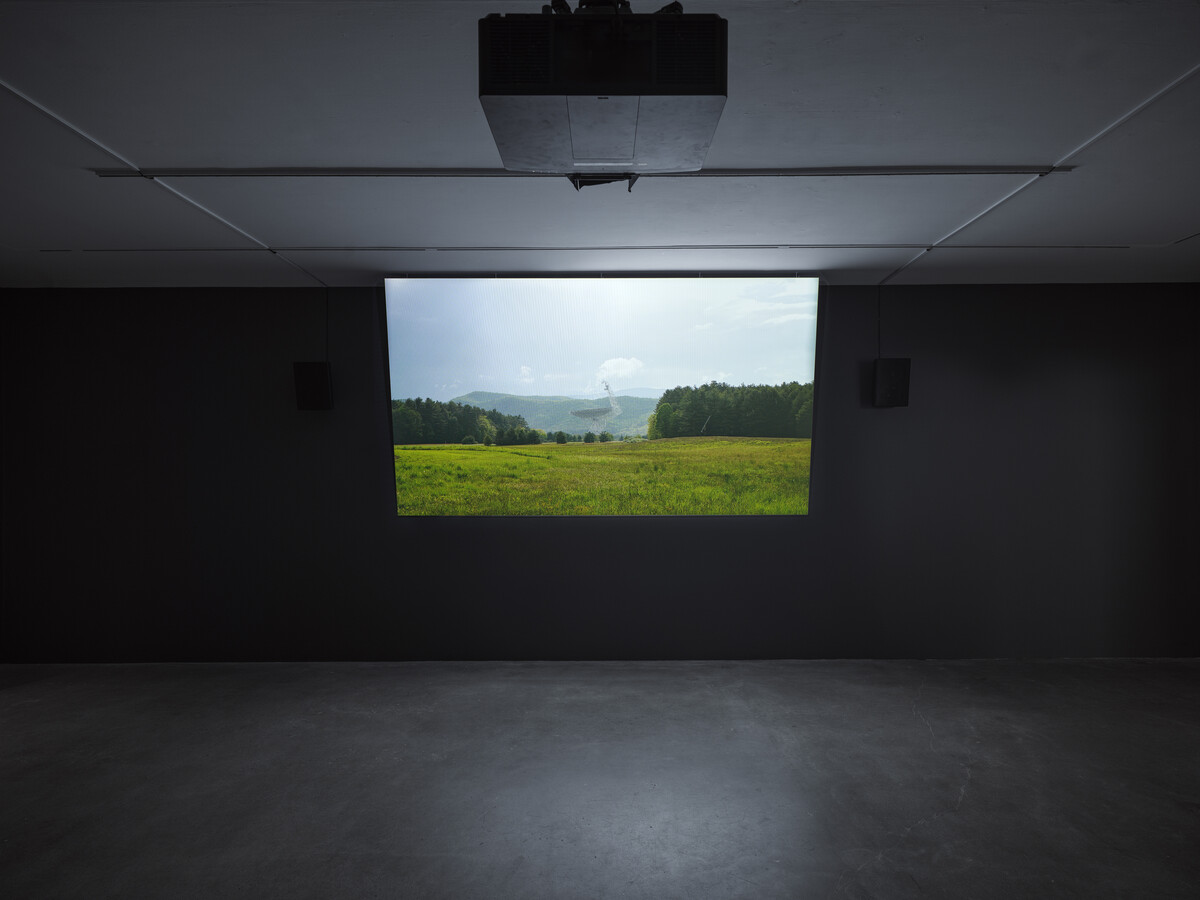
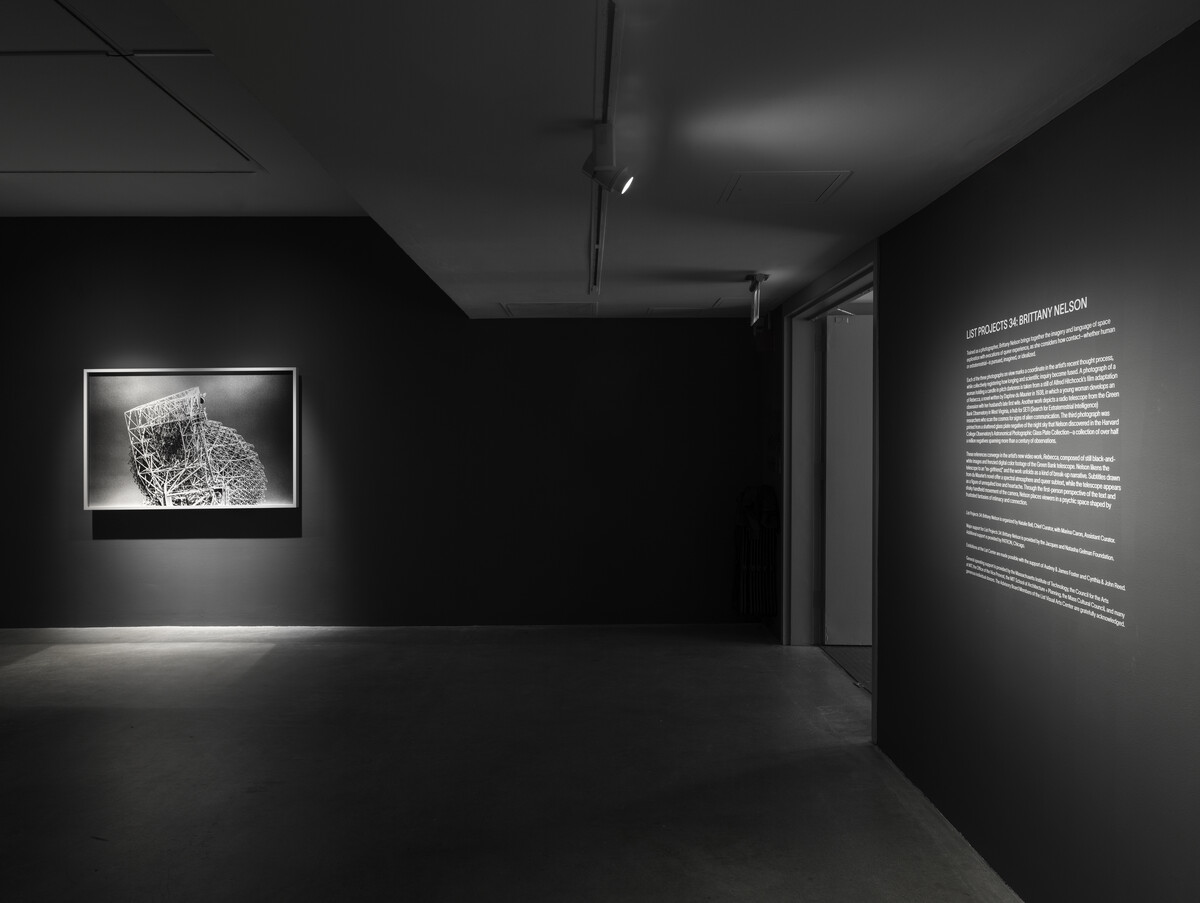
Nelson’s upcoming List Projects exhibition debuts new photographs and a moving-image work filmed at the Green Bank Observatory (National Radio Astronomy Observatory) in West Virginia—a site where, in the artist’s hands, scientific inquiry and emotional projection converge. Home to one of the world’s largest radio telescopes, the site is a hub for SETI (Search for Extraterrestrial Intelligence) researchers who scan the cosmos for technosignatures—signals of extraterrestrial intelligence—using radio waves, telescopes, and other specialized instruments.
Nelson’s new work is also deeply shaped by literary and cinematic references, particularly Daphne du Maurier’s 1938 novel Rebecca, in which a young woman develops an obsession with her husband’s late first wife. Like the novel—and Alfred Hitchcock’s 1940 film adaptation—Nelson’s video work plays with intimacy and distance, presence and absence. Its soundtrack incorporates the high-pitched hum of the telescope’s liquid-helium pumps, which throb like mechanical heartbeats. Visually, it alternates quiet 35mm photographs shot from the Observatory’s telescope with increasingly frenzied handheld sequences; at times, the camera appears to be hurled in frustration toward the massive structure. As the pace escalates, so does the emotional charge, producing a tension mired in obsession, longing, and rupture. Nelson has likened the telescope to an “ex-girlfriend,” and the piece unfolds as a kind of breakup narrative—at once intimate and expansive. Drawing from the spectral atmosphere of Rebecca, the work frames the search for contact not only as a scientific endeavor but also as a mirror of the self and the limits of perception and human understanding.
11 art exhibits to explore this winter
wbur
Jan 13, 2026
Jan 13, 2026