Meaning and Symbols in Alice Tippit’s “Rose Obsolete”
New City Art / May 29, 2026 / by Elisa Shoenberger / Go to Original
Tippit plays with the human need to make meaning in her minimalist paintings.
Every day, our brains take random inputs and try to ascribe meaning to them. We’re able to fluently read words with the letters scrambled up with the first and last letters staying the same, collegially known as typoglycemia. We also see faces in noise, like electrical sockets and clouds, known as pareidolia. Kansas-born artist Alice Tippit plays with the human need to make meaning in her minimalist paintings in “Alice Tippit: Rose Obsolete,” curated by Ionit Behar at the DePaul Art Museum.
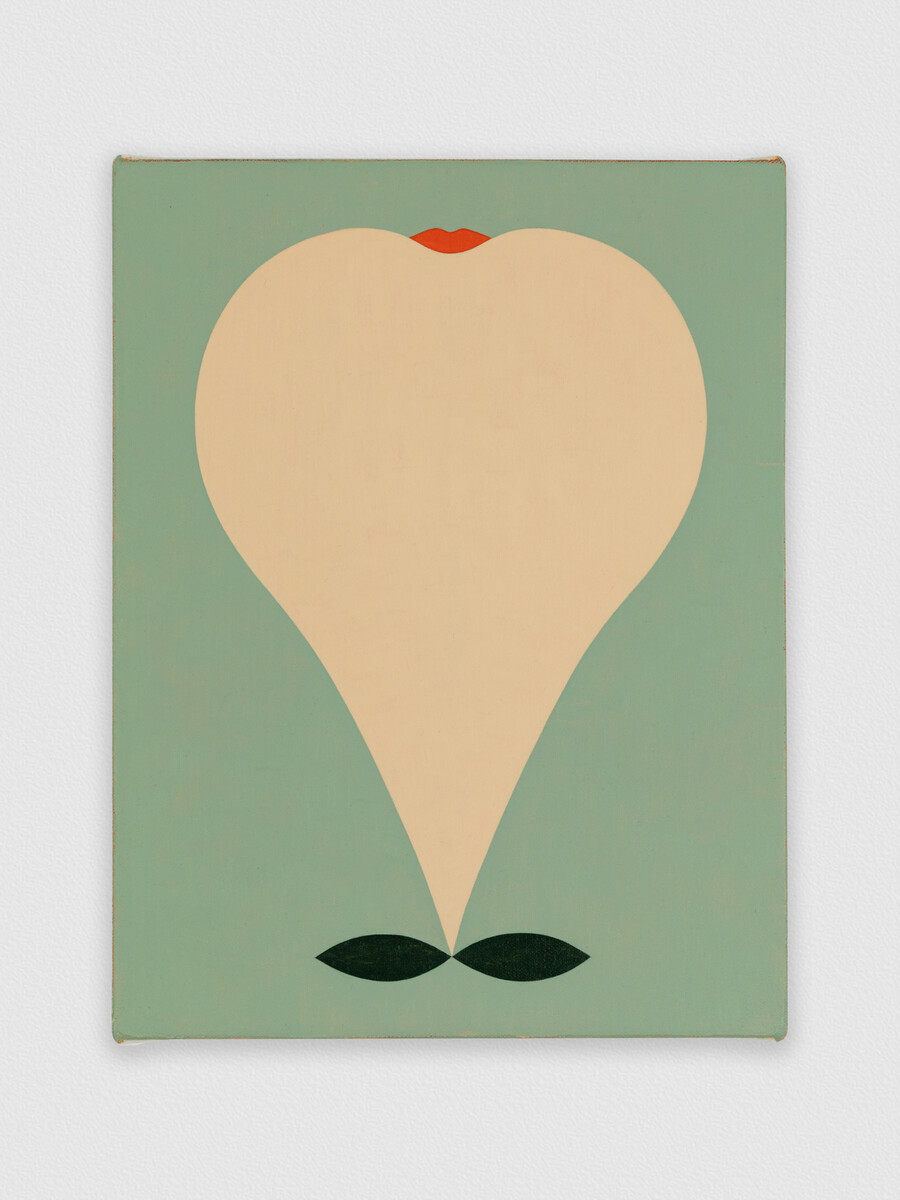
In her first solo museum show, Tippit showcases ten years of her work where she explores the relationship between meaning-making and forms. Her pieces feel like wordplay embodied. For instance, the oil painting “Fool” (2022) resembles, at least to my eye, an upside-down pear with red lips at the very top. When I saw it, my first thought was how this painting depicts a fool. Is the pear-shaped object foolish because it’s upside down? Or the person with the red lips eating it upside down? Or, perhaps, more accurately, it’s foolish to try to ascribe meaning from the title to the work.
Another painting, “Spouse” (2025), appears to have a white shape tapered at the bottom with a brown background. At the top, there’s a brown leaf. The title prompts one to see the white shape as a sort of truncated torso with upper chest, shoulders and a neck topped with a leaf. Would we have seen the body if it hadn’t been for the painting’s name?
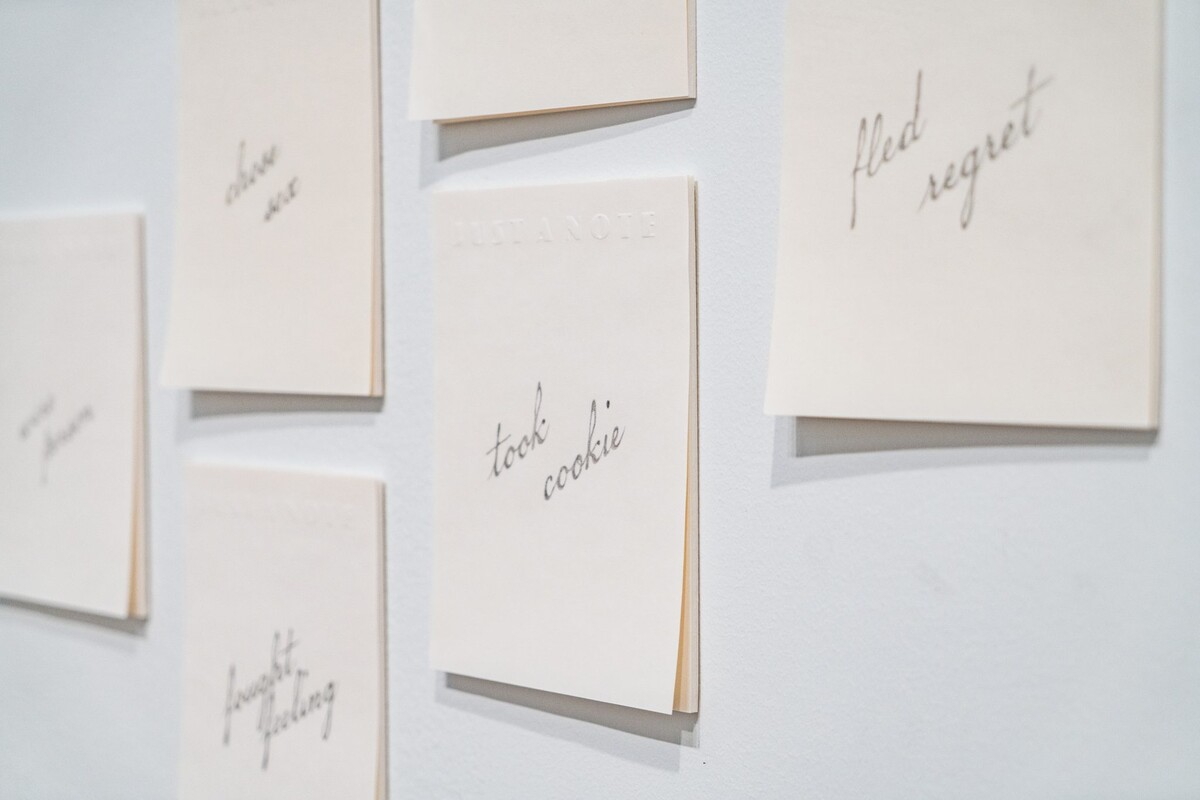
Tippit’s work also plays with literal words and images on canvas. For instance, “Wolves” (2021) shows four cursive lines spread across a greyish-white background. The bottom-most cursive line spells out “wolves.” Are the three squiggles above supposed to be abstract versions of the word “wolves”? What do wolves have to do with this minimalist painting? Or is it a wolf in sheep’s clothing?
In an interview for the 2021 catalogue of “Regional,” an exhibition series in the Midwest, Tippit explained her approach: “My work addresses the mutability of meaning. I’m very much aware that many folks approach my work as a sort of visual puzzle that must be solved, even as there isn’t a correct answer to the question that any one work poses. And even if there were a solution, what difference would it make?”
By lacking definitive answers, Tippit opens us to worlds of meaning and symbols, as if she was taking Belgium surrealist painter René Magritte’s word paintings even further, beyond figurative artwork into the world of shapes and lines.
Along with DPAM’s Barbara Nessim exhibition, this show demonstrates once again the power of DPAM’s curatorial vision and a reminder of what we will lose when the museum closes later this year.
“Alice Tippit: Rose Obsolete” is on view at the DePaul Art Museum, 935 West Fullerton, through June 21, 2026.
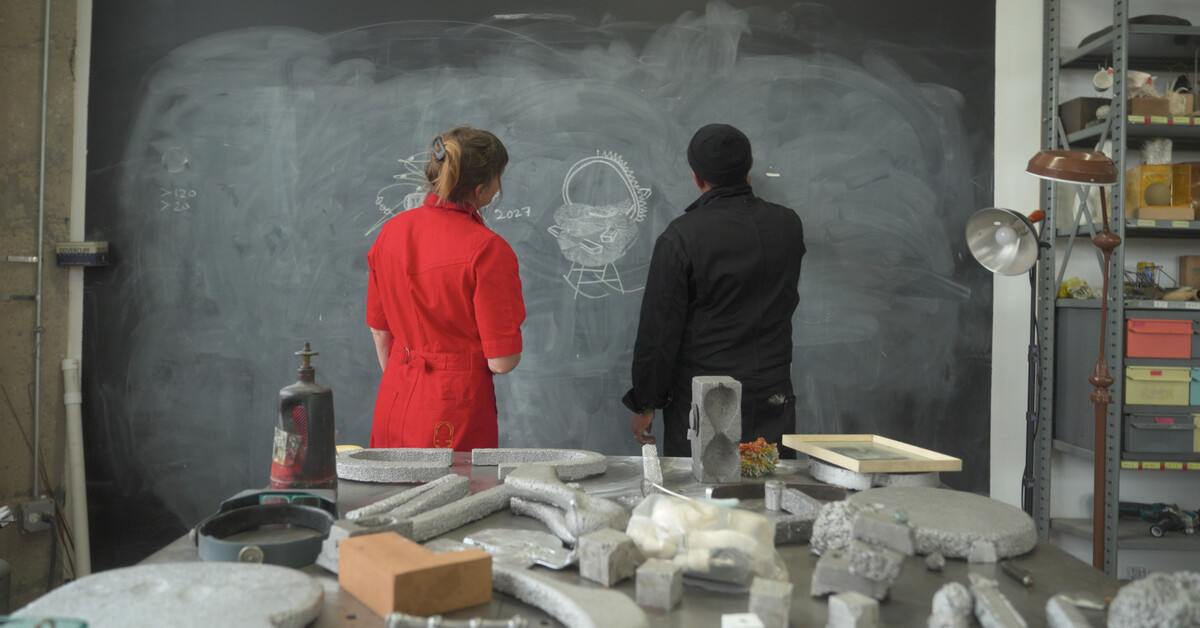
Chair-ish: Alex Chitty | Norman Teague
Cleve Carney Museum of Art
Mar 6, 2026
Mar 6, 2026
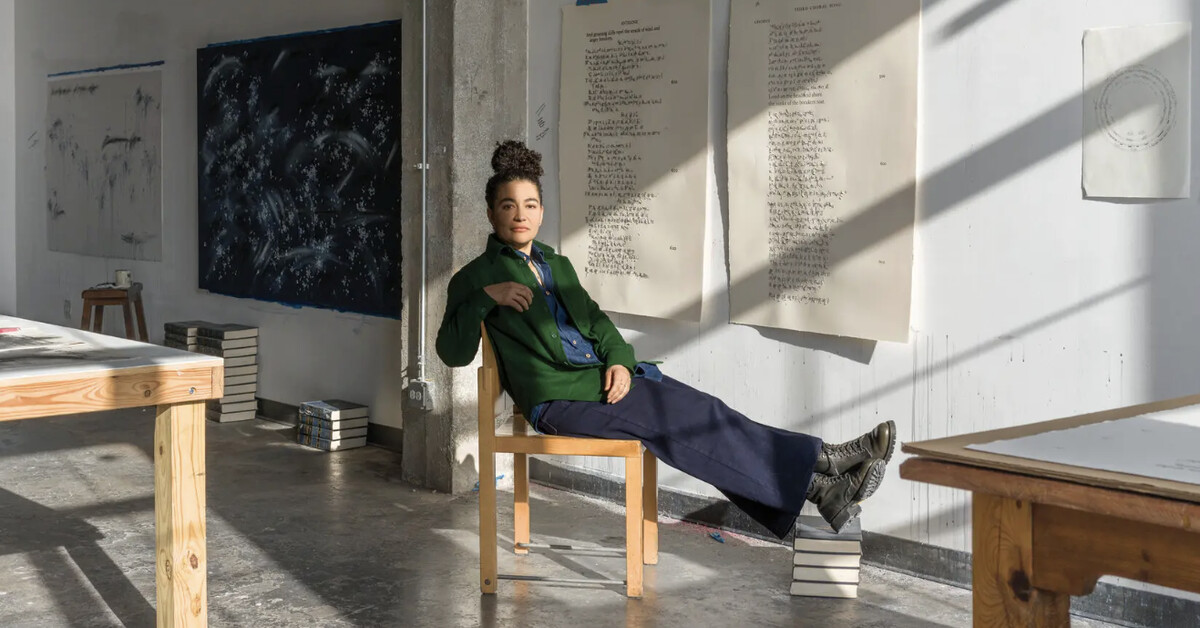
Why One Artist Transcribed All 900-Plus Pages of ‘Moby-Dick’ by Hand
The New York Times Style Magazine
Mar 4, 2026
Mar 4, 2026

Can Brands Crack LA Art Week?
Vogue
Mar 2, 2026
Mar 2, 2026
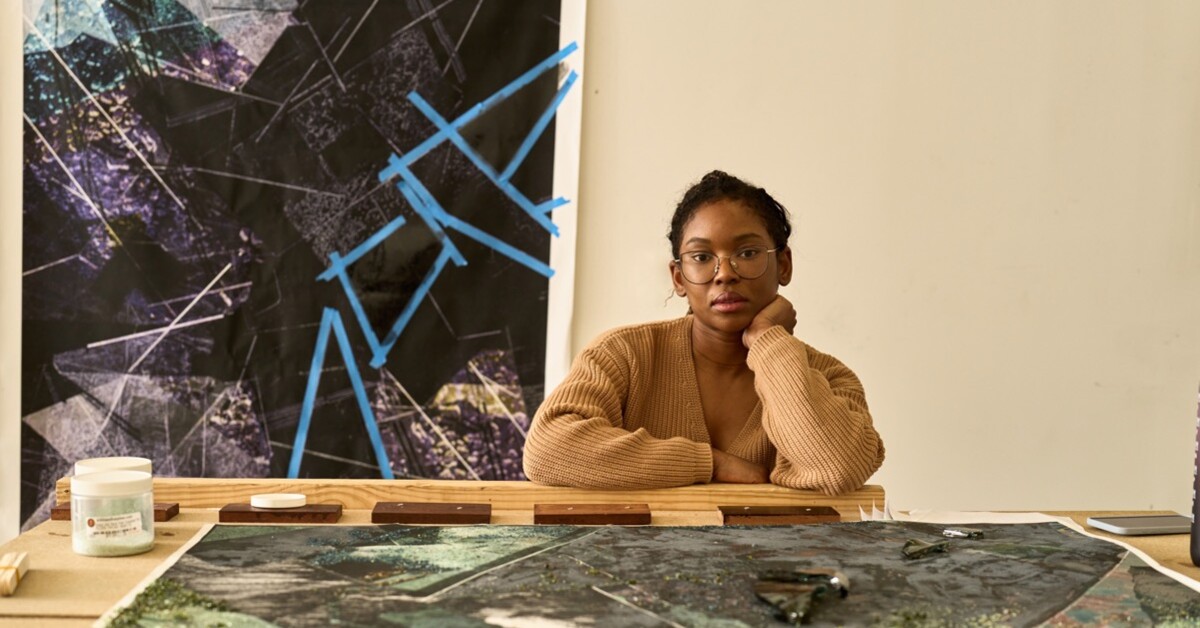
Charisse Pearlina Weston Named 2026 Hermitage Greenfield Prize Recipient
Sarasota Magazine
Jan 22, 2026
Jan 22, 2026
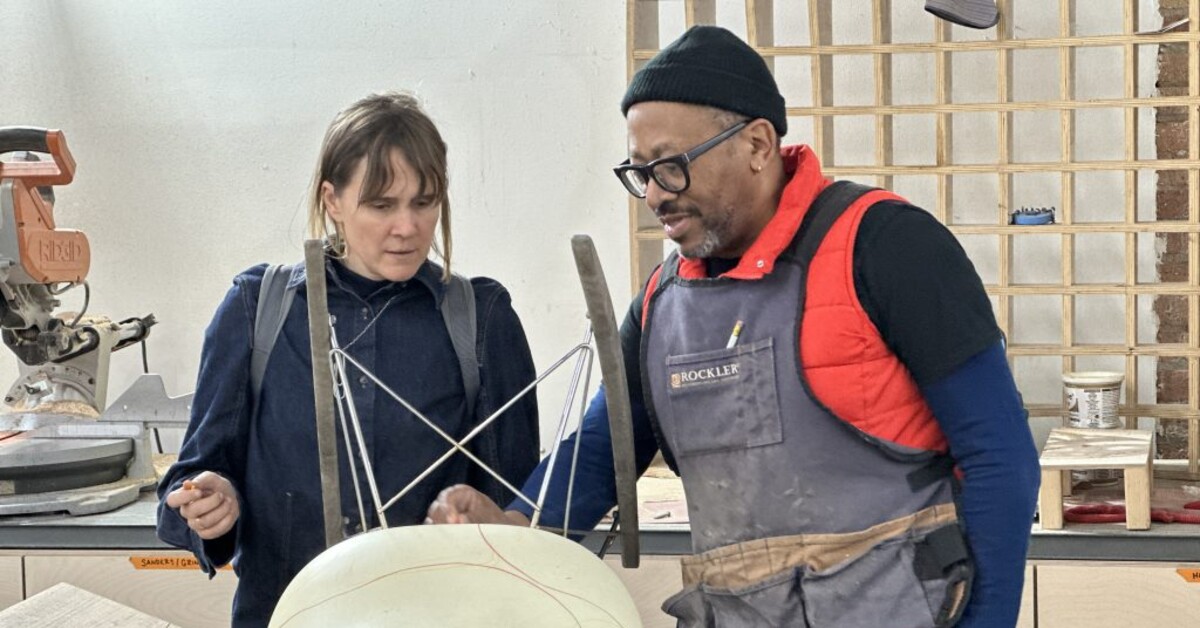
How Alex Chitty and Norman Teague Chair-ish What We Sit On
Newcity Art
Jan 21, 2026
Jan 21, 2026