“Dancing to Sustain the Universe”: Mexican Art at the Venice Biennale
El Universal / May 7, 2026 / by Frida Juárez Bautista / Go to Original
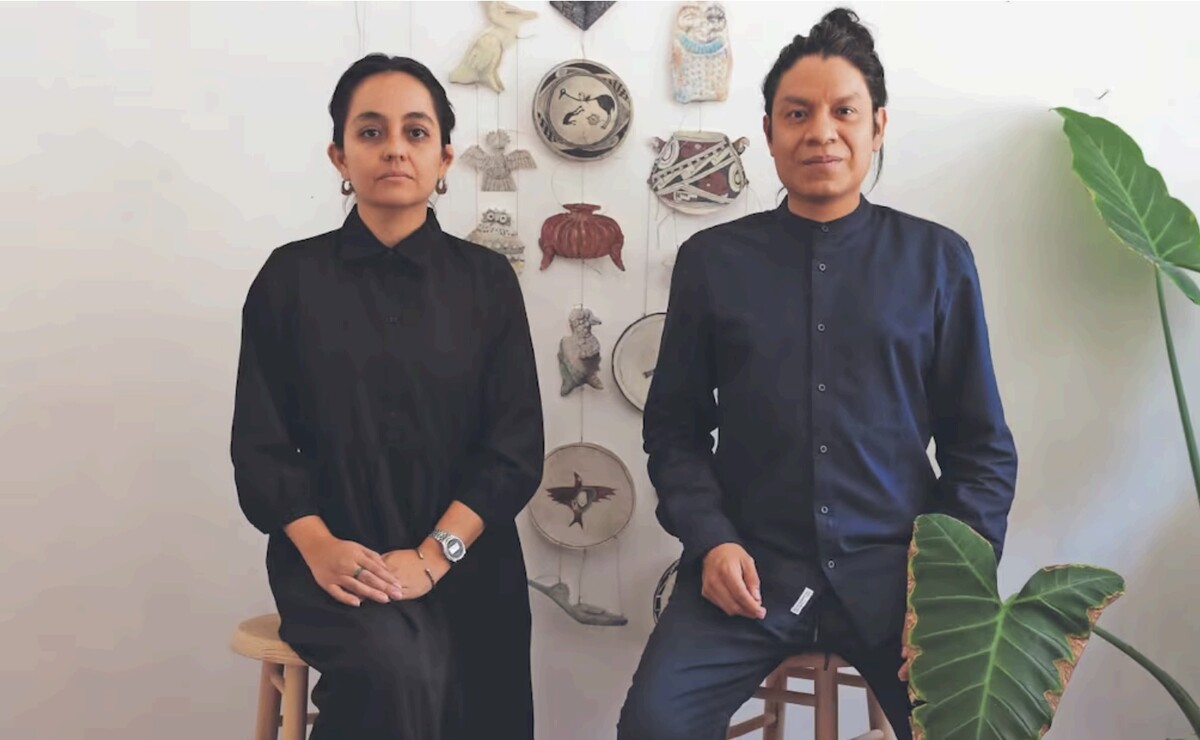
Artists Noé Martínez (Morelia, Michoacán, 1986) and María Sosa (Morelia, Michoacán, 1985)—who make up the collective RojoNegro and are representing Mexico at the 61st Venice Art Biennale—sense a feeling of nervousness. They observe this anxiety among the Italian city’s residents, who must contend with the thousands of tourists visiting this major art exhibition, which opens to the public this Saturday and runs until November 22. Yet there is also nervousness stemming from tensions caused by the international geopolitical crisis; this situation has not only complicated logistics for some artists but also led to the resignation of the Biennale jury after it was announced that artists representing countries facing criminal charges from the International Criminal Court—specifically Russia and Israel—would not be considered for the Golden Lion award.
“The social contexts of each artist and each country are vastly different; we need to find a way to truly coexist in peace,” says Sosa.
The role of community in coping with and surviving difficult situations—such as the current one—is the central theme of the Mexican pavilion, where artists are presenting the installation Actos invisibles para sostener el universo.
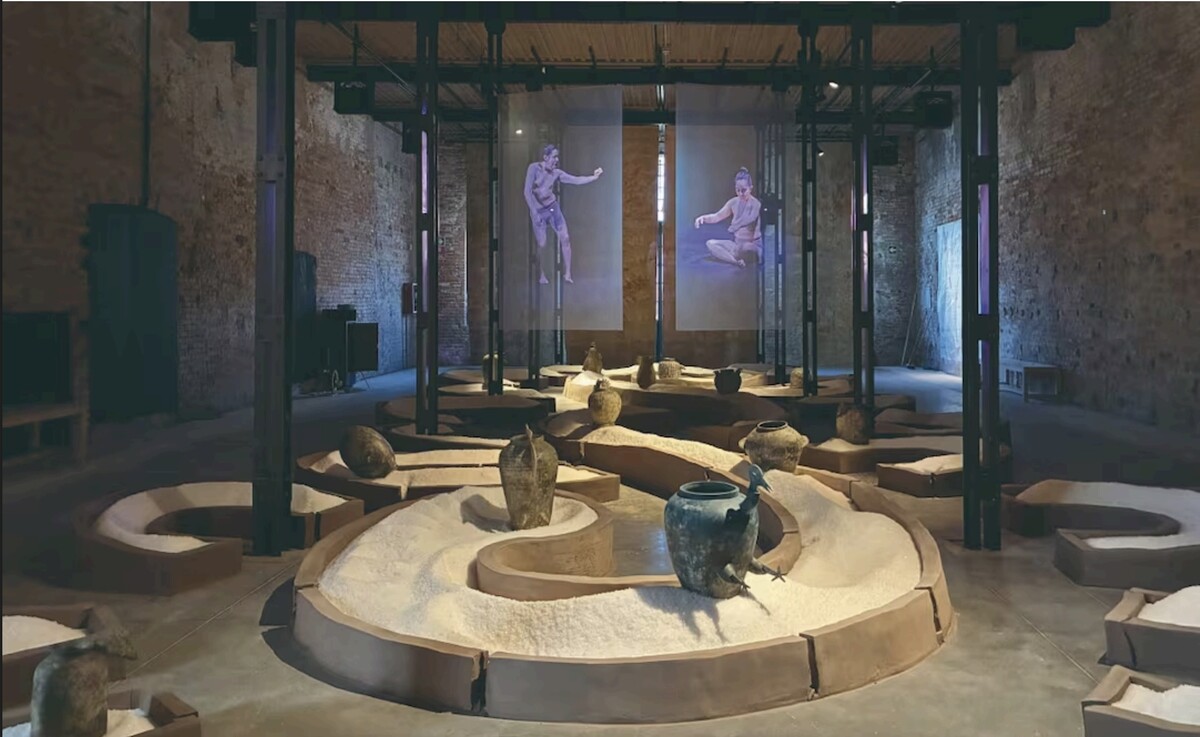
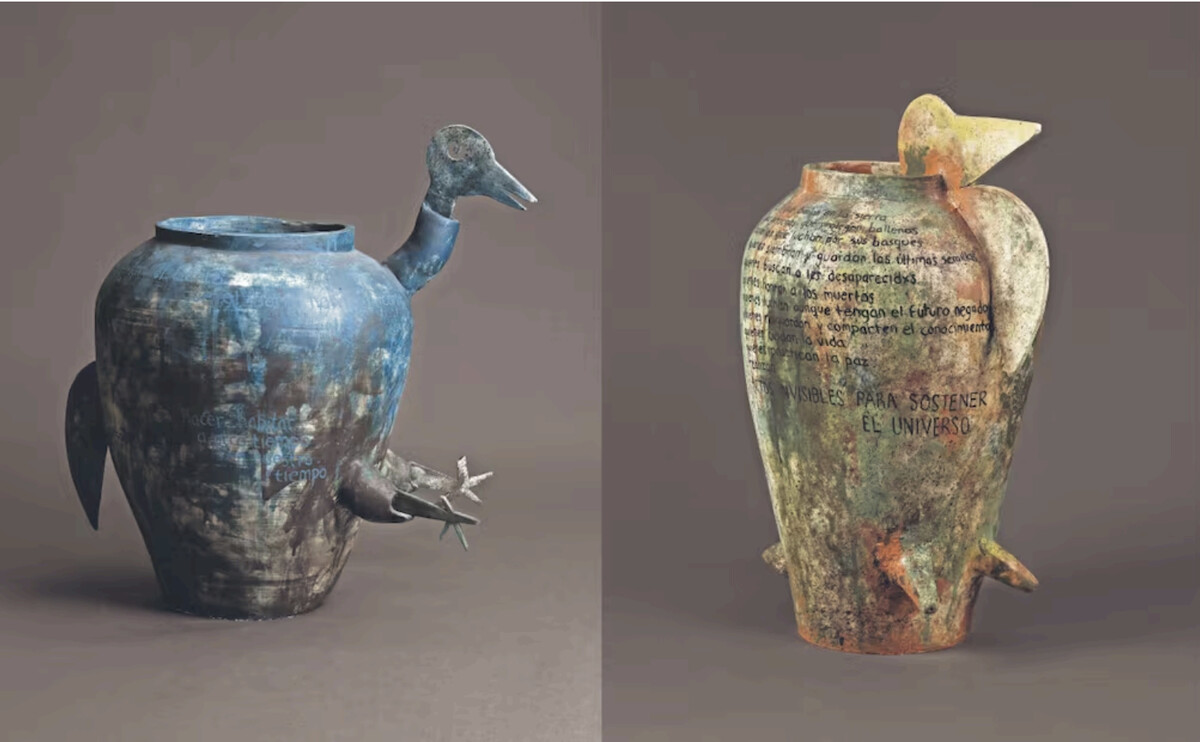
The work consists of a path of salt upon which ceramic vessels bearing messages have been placed. Screens hang from the ceiling, projecting a performance piece by Martínez and Sosa—artists interested in exploring the body as a “laboratory and archive of knowledge and memory.” The installation also incorporates painting and is complemented by a sound piece commissioned from Alberto Rubí. Together, these elements form what the artists describe as an offering honoring the people and actions that go unnoticed yet enable society to endure.
In an interview, Martínez—who has exhibited at the Museo Universitario del Chopo and Proyectos Monclova—and Sosa—who has shown their art at the Museo de Arte Moderno and Museo Amparo—explain that the work stems from the idea of “bailar para sostener el universo,” (“dancing to sustain the universe”) which originates in Rarámuri culture.
“This phrase, drawn from a text by anthropologist Carlo Bonfiglioli, has been on our minds for about ten years. From a Western, colonized, and capitalist perspective, it is hard to grasp how a dance can sustain the universe,” notes Sosa, adding that it makes sense when one observes that, for centuries, Indigenous peoples have been the ones who best preserved ecosystems.
“We think about the invisible acts that sustain the universe: the Rarámuri dancing, but also environmentalists striving to save butterflies, forests, and seas; mothers seeking their missing children; those who reach out to the sick. All these people are the ones holding up the little we have, keeping us from spiraling into madness and chaos,” Sosa asserts.
“The installation is an offering to the people who perform the invisible acts that sustain the world. We live in a country where survival often takes precedence over mere living, and that survival is frequently made possible by collective generosity and mutual effort. In Mexico and Latin America, we have a history of invisible struggles for land, peace, women’s rights, and the rights of segregated and racialized minorities,” adds Martínez.
For the collective—formed ten years ago, with a name referencing the Mesoamerican cardinal directions (red for east, black for west)—this represents an initial effort at consensus, something they hope will spread among the visitors.
Consensus is notably absent from the Biennial and its community. Regarding this, the artists view the jury’s resignation as a historic act—one they respect—and hope that peace can be found in a “peaceful” manner. “We need to understand that, despite all our varying contexts and histories, we are human and must stand in solidarity through that shared humanity,” says Sosa. “I believe the world and the art scene have adopted a pace that hinders the understanding of ideas and the development of empathy and listening skills; there is a demand for rapid reactions, and while urgent situations certainly exist, we have yet to process a genocide that occurred 500 years ago—passed down through generations. How many generations will it take for us to process what we are witnessing right now?” concludes Martínez.
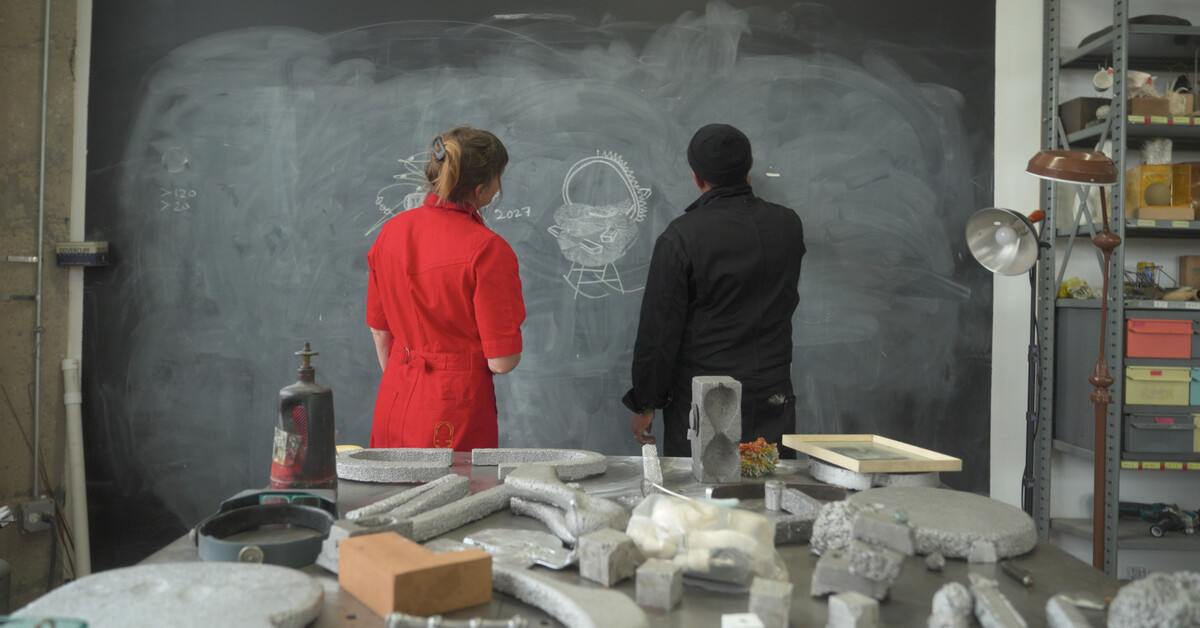
Chair-ish: Alex Chitty | Norman Teague
Cleve Carney Museum of Art
Mar 6, 2026
Mar 6, 2026
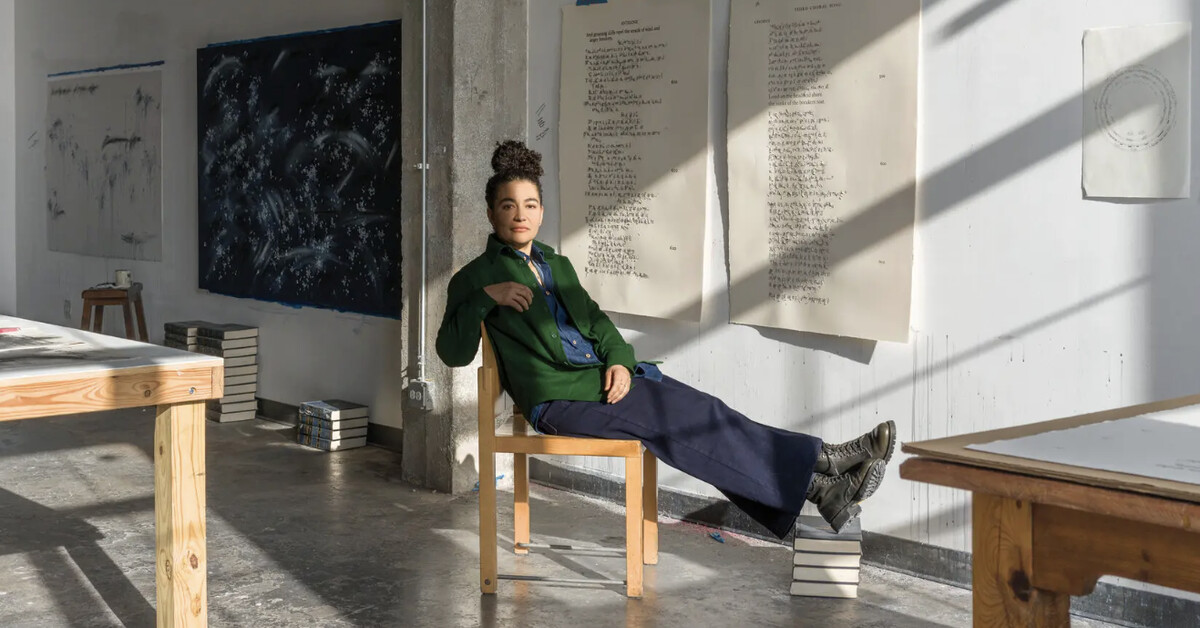
Why One Artist Transcribed All 900-Plus Pages of ‘Moby-Dick’ by Hand
The New York Times Style Magazine
Mar 4, 2026
Mar 4, 2026
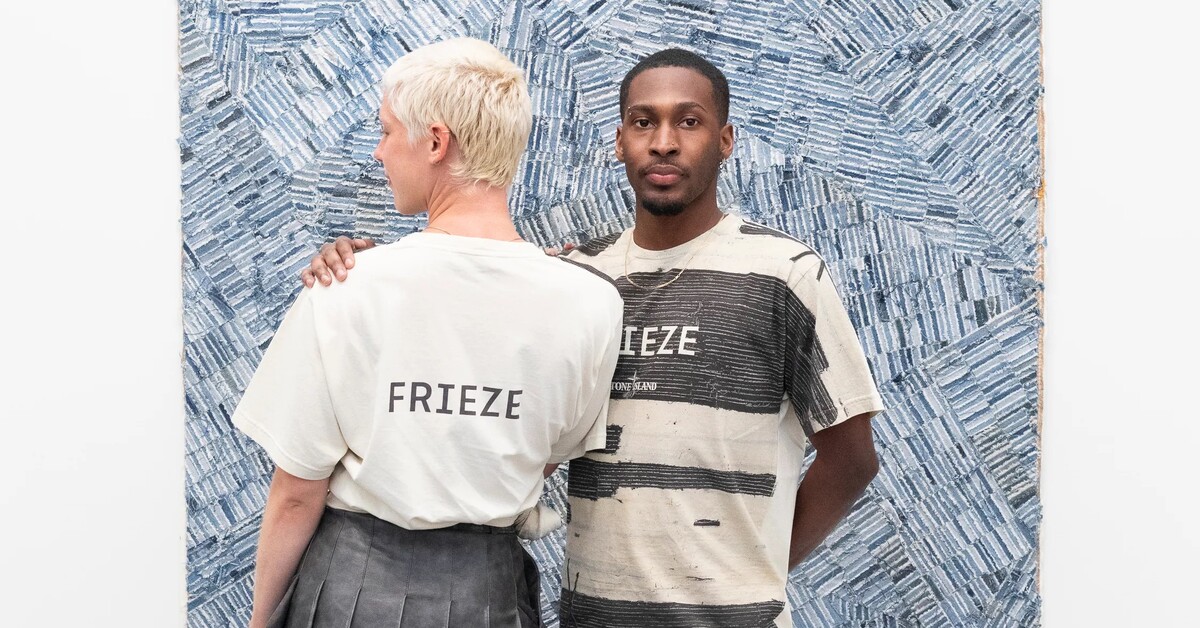
Can Brands Crack LA Art Week?
Vogue
Mar 2, 2026
Mar 2, 2026
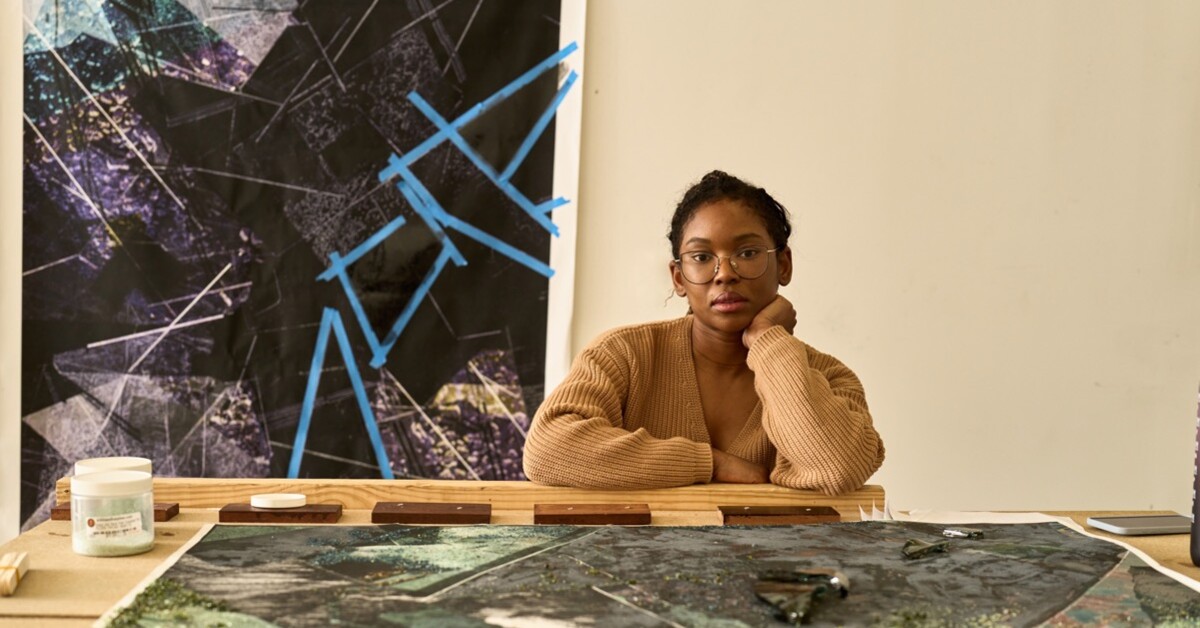
Charisse Pearlina Weston Named 2026 Hermitage Greenfield Prize Recipient
Sarasota Magazine
Jan 22, 2026
Jan 22, 2026
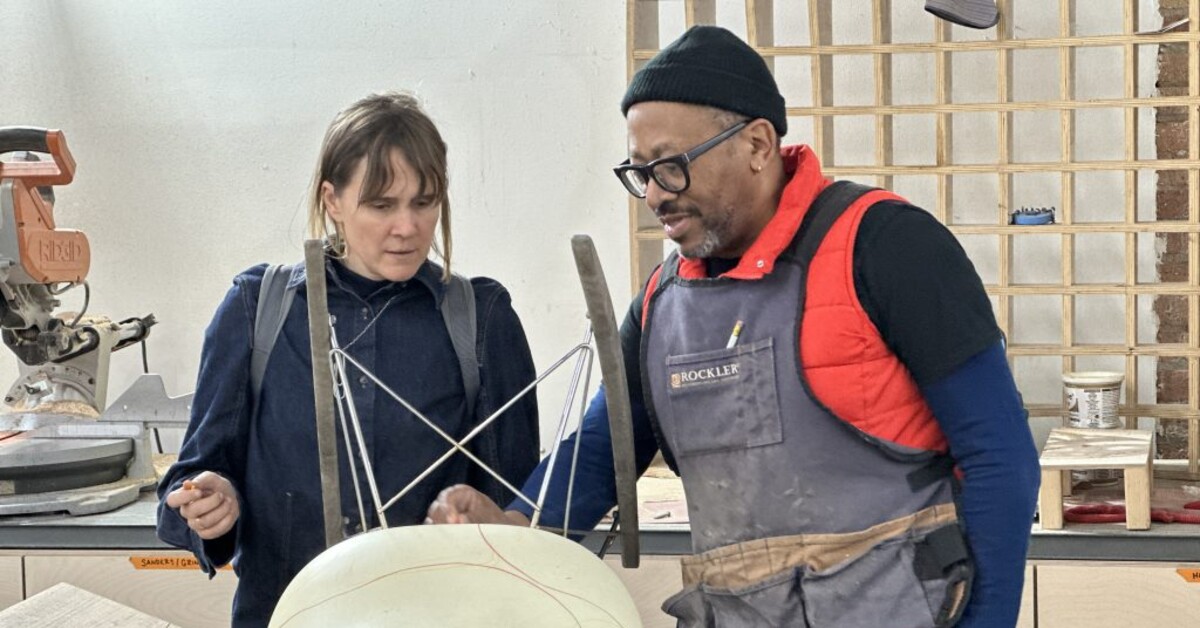
How Alex Chitty and Norman Teague Chair-ish What We Sit On
Newcity Art
Jan 21, 2026
Jan 21, 2026