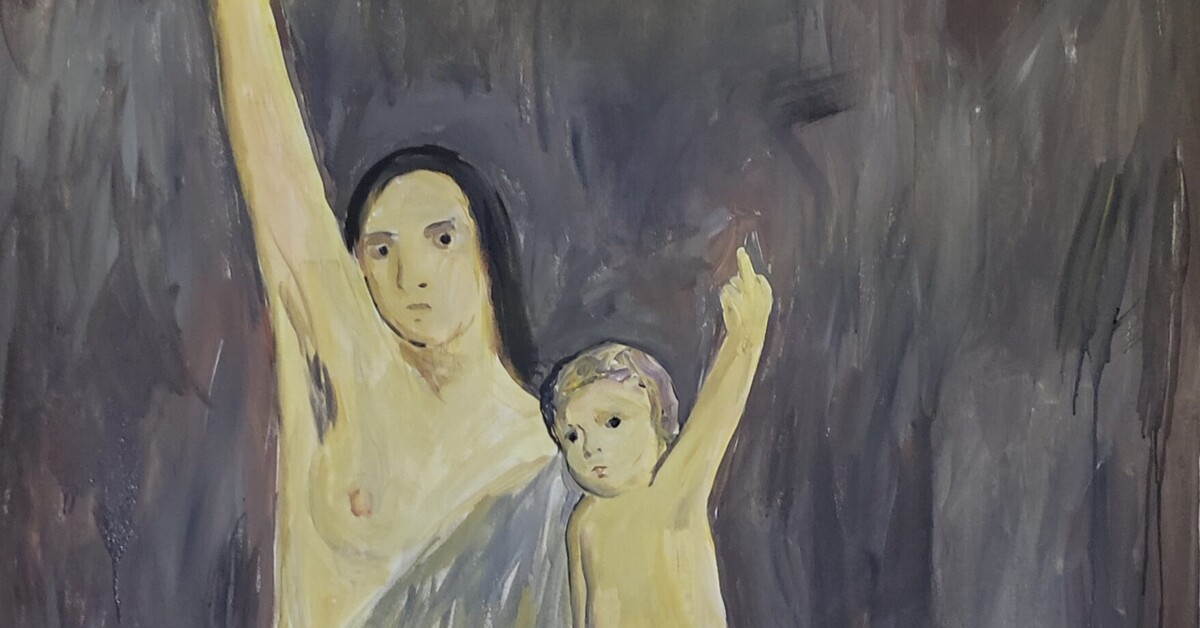
Mexico Invokes the Invisible in Venice: The Pavilion that Connects Ritual, Memory and Future
Quién / May 18, 2026 / by Jonathan Saldaña / Go to Original
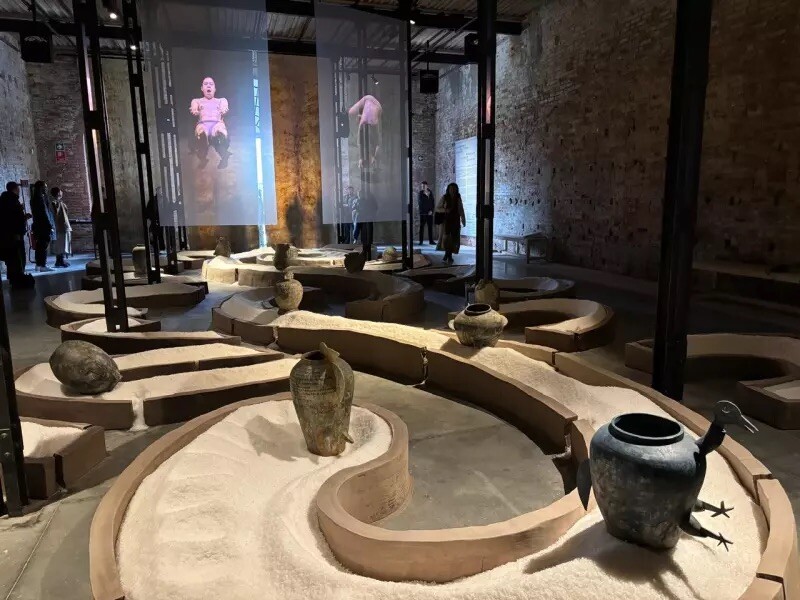
On one of the most influential stages for global contemporary art, the 2026 Venice Biennale welcomes a Mexican proposal that moves away from immediate spectacle to delve into the essential: that which remains unseen yet sustains life. Titled Actos invisibles para sostener el universo, the Mexico Pavilion offers an experience that is sensory, political, and deeply spiritual.
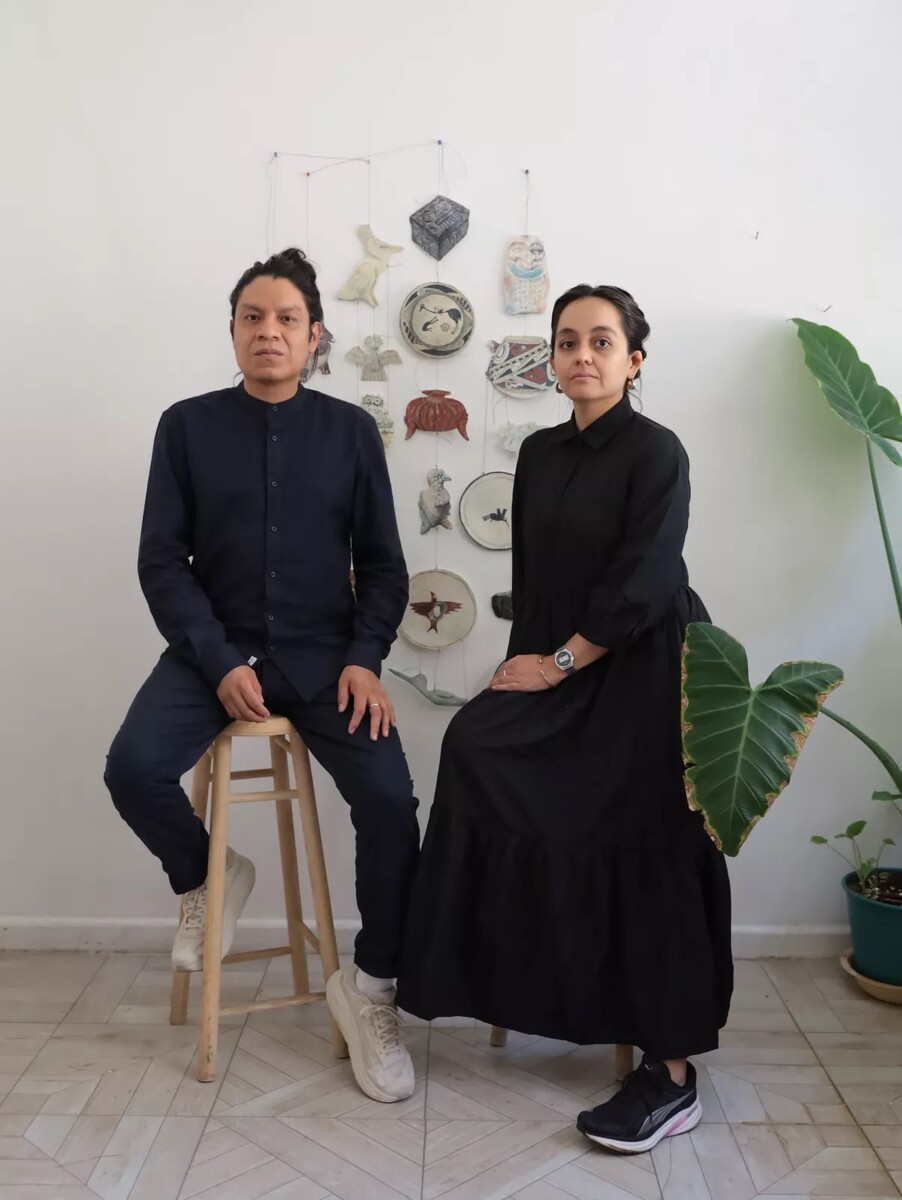
The project is led by the RojoNegro collective—comprising María Sosa and Noé Martínez—whose practice intertwines ancestral memory, bodily languages, and ritual technologies from a decolonial perspective.
Their proposal combines installation, sound, and performance to activate forms of knowledge rooted in Indigenous, Afro-descendant, and peasant cosmogonies—not merely as symbolic references, but as living structures of thought that engage in dialogue with the present.
Art, Worldview, and Resistance in a Contemporary Key
Far from an aesthetic of complacency, Actos invisibles para sostener el universo raises urgent questions regarding memory, epistemic justice, and the processes of colonization that continue to shape territories and bodies.
Curated by Jessica Berlanga, the work situates itself within a global conversation on relational ecology and the need to rethink the bonds between humanity and nature, drawing upon ancestral knowledge as a tool for the future.
Mexico in the Global Art Conversation
Mexico’s participation in the 61st International Art Exhibition not only reaffirms the country’s presence in one of the most significant circuits of the global art world but also positions its cultural richness as a critical focal point within contemporary debate.
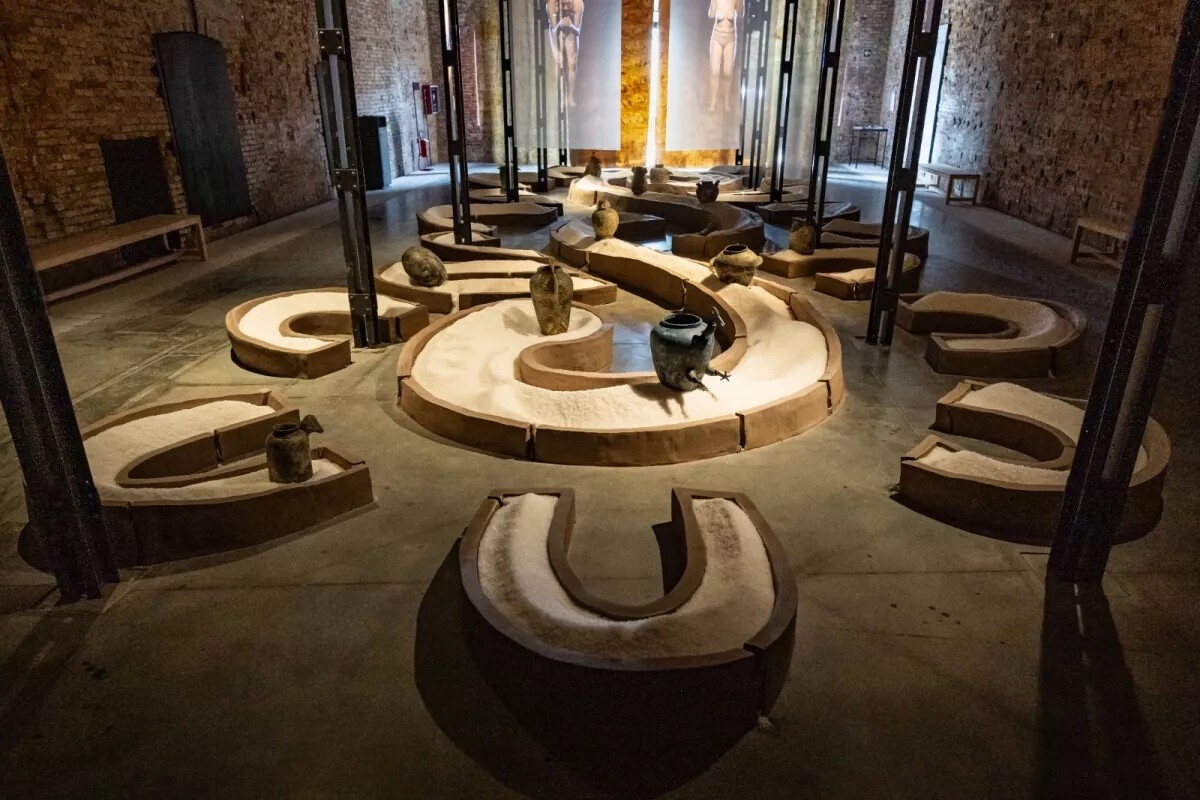
Located in the Arsenale—one of the Biennale’s central venues—the pavilion will be open to the public from May 9 to November 22, 2026, consolidating a proposal that champions pause, reflection, and listening in the face of global noise.
The Invisible as a Political Act
In a biennial defined by discourses on rhythm, care, and contemplation, Mexico responds with a work that transforms the invisible into a political act. It is not merely about looking, but about feeling, remembering, and reconfiguring the way we inhabit the world.
For in times of urgency, perhaps the most radical act is to return to what has always been there: the invisible force that sustains the universe.
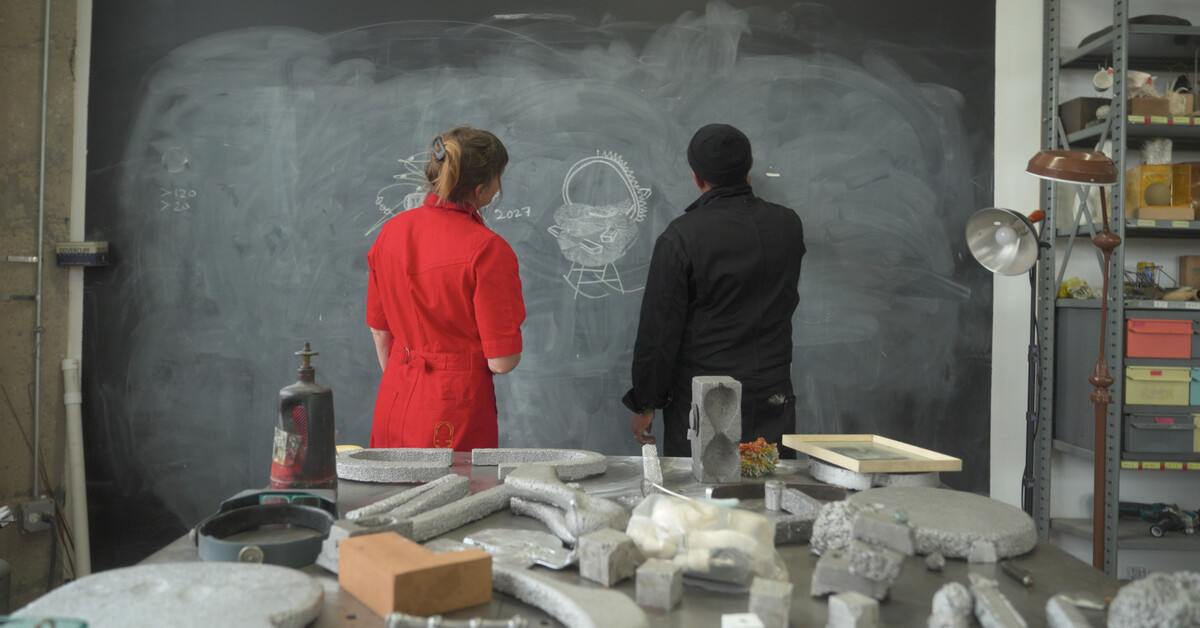
Chair-ish: Alex Chitty | Norman Teague
Cleve Carney Museum of Art
Mar 6, 2026
Mar 6, 2026
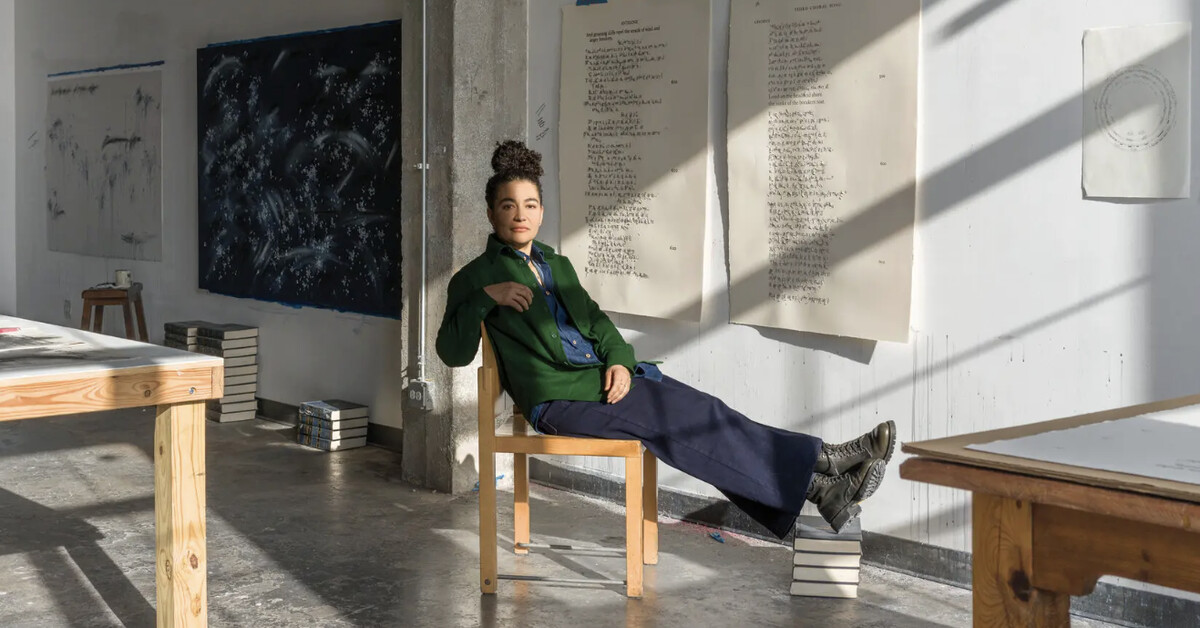
Why One Artist Transcribed All 900-Plus Pages of ‘Moby-Dick’ by Hand
The New York Times Style Magazine
Mar 4, 2026
Mar 4, 2026

Can Brands Crack LA Art Week?
Vogue
Mar 2, 2026
Mar 2, 2026
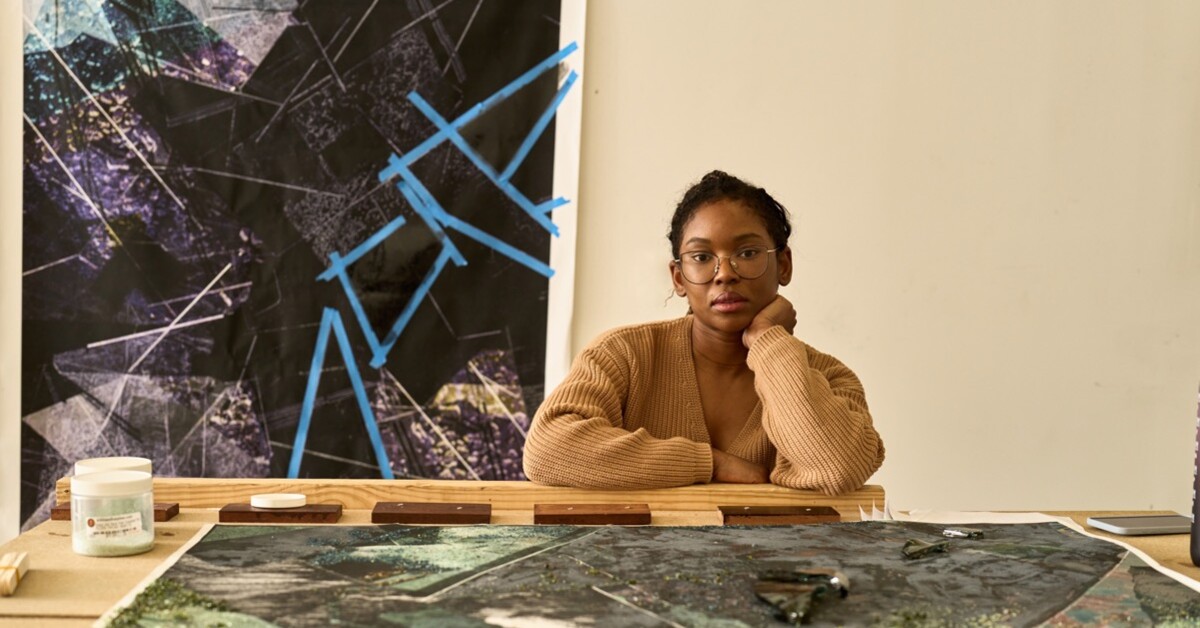
Charisse Pearlina Weston Named 2026 Hermitage Greenfield Prize Recipient
Sarasota Magazine
Jan 22, 2026
Jan 22, 2026
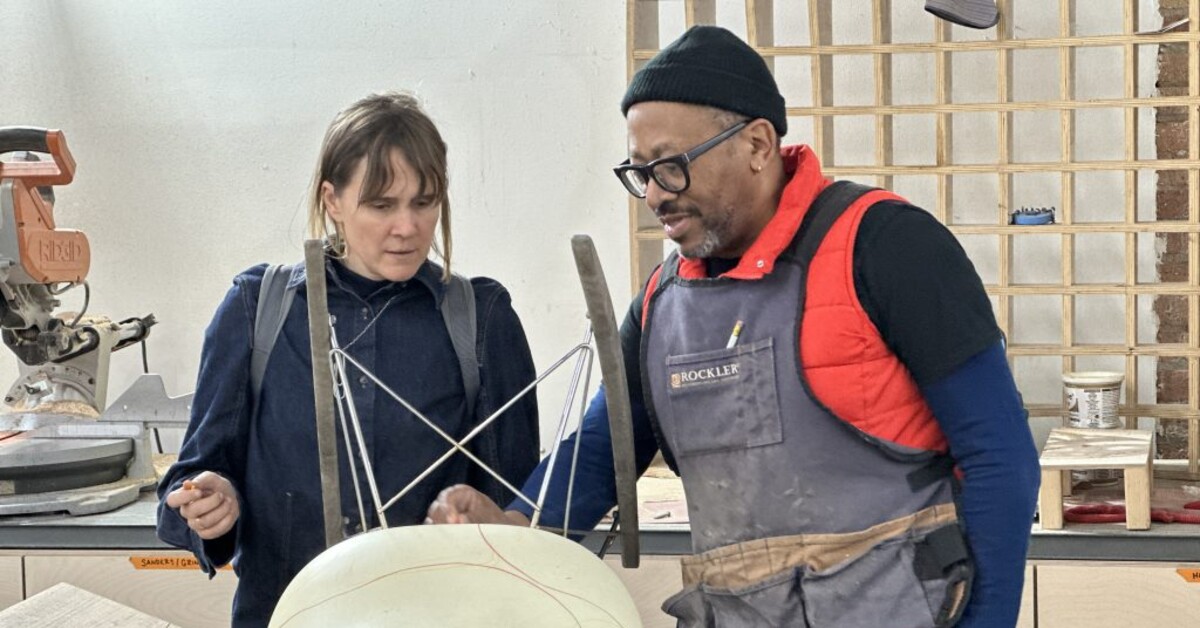
How Alex Chitty and Norman Teague Chair-ish What We Sit On
Newcity Art
Jan 21, 2026
Jan 21, 2026