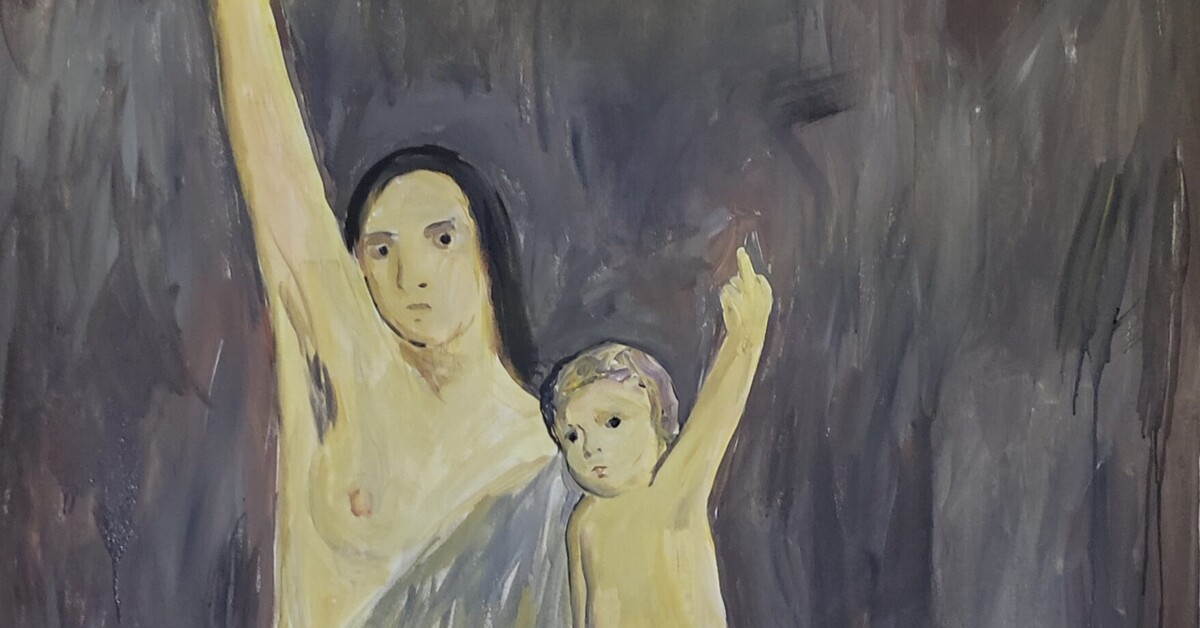
RojoNegro: Mexico at the Venice Biennale
Letras Libres / Jun 1, 2026 / by Yunuen Díaz / Go to Original
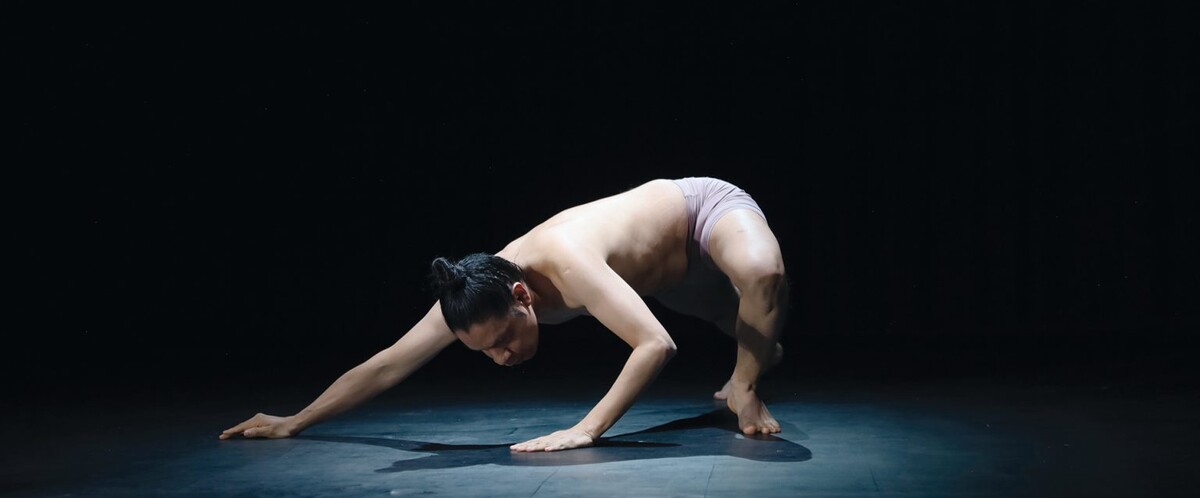
A cycle of life and death and renewal—an offering to the daily labor that sustains the world, and a ritual endeavor to reconnect pre-Hispanic knowledge with the present day—this is the artistic vision of RojoNegro, the collective comprising María Sosa and Noé Martínez, who will represent Mexico at the 61st Venice Biennale.
Under the title, RojoNegro—a collaborative duo that has been working together for over a decade—seeks to pay tribute to generosity in a world under siege. The title stems from the worldview of the Rarámuri communities in northern Mexico, who conceive of the Yúmari dance as an exchange of energy between humans and gods to maintain the cycles of life. RojoNegro remarks: “Of course their dances sustain the universe; it is not only the Rarámuri who offer up their energy, sweat, and effort, but also all those people trying to do things the right way through empathy, solidarity, and work—those acts sustain what remains of our world.” For the artists, it is important to consider how we can safeguard spaces of reciprocity, care, and collaboration: “It might seem crazy, but right now we have to fight even for human rights; nothing can be taken for granted. That is why we reflect on the everyday, invisible acts that sustain us. We want to convey that our actions matter, that the way we relate to one another and to nature matters, and that the way we understand our history and our present matters.”
The centerpiece to be presented at the Mexico Pavilion is a ceremonial altar created upon a bed of clay and sea salt, featuring thirteen pre-Hispanic-style vessels crafted by the artists: “We chose thirteen because they represent the thirteen months of the ritual lunar calendar—an agricultural and divinatory calendar.”
The RojoNegro installation draws its formal inspiration from the indigenous salt-production methods that still exist in communities across Guerrero, Yucatán, the State of Mexico, and Puebla: “Salt is a material that links the human realm with the realm of the dead. Salt is also an element of purification. Moreover, we ourselves produce salt. Our tears are salt, our saliva is salt; it is an element of connection with the Earth.”
RojoNegro conceived the pavilion as an offering to the ancestors and as a conversation with the spiritual and soulful entities present in the land: “We want to pay a small tribute to them, because from the perspective of our peoples, everything requires reciprocity. Our indigenous peoples have been paying a debt, yet as artists, it is not common to think about ways to repay any part of the debt we owe the earth. So, the idea is to create an offering.”
Perhaps the word that defines the exhibition is reciprocity—a way of thinking that takes into account the mutual correspondence between people and entities. For Indigenous communities, reciprocity defines a way of life in which one cannot take something without considering what it signifies: “Everything is guided by and revolves around the rule of life. And the rule of life is precisely balance—the continuation of the balance of life, and the balance between us and the earth, and between us and invisible entities.”
Upon entering the pavilion’s main doorway, one encounters four giant paintings created using tobacco and kitchen charcoal by artist Rosi Huaroco and curator Giovanni Fabian; these works depict tobacco plants based on a drawing from the Códice Florentino: “Tobacco protects, balances, and dispels fright—it is a plant of protection, but also a plant capable of balancing temperatures within the human soul.”
The paintings also feature a primer made from plants from the Cherán forest: “Cherán is a place very dear to us; we have been visiting for twelve years, and it has been our political school. Cherán represents the upholding of human dignity. It is a community that organized to protect the forest and seeks to sustain its self-governance and communal way of life.”
In addition to these pieces, there are two video-performance works that the artists have been reworking for the past decade, in which the body is proposed as an archive for research: “We position ourselves as an anthropomorphic archaeological object representing a deity. For us, embodying that figure became an increasingly profound process, as it involves interrogating a pre-Hispanic script through the body itself. We work with performing artists to determine the technique required to execute that pose. Each performance entails months of training. This time, our choreographer, director, and dear friend Mariana Villalobos has been training us.”
The artists recount how, by replicating the poses of the artifacts with their own bodies, they came to understand that pre-Hispanic art represents bodily sensation rather than mere mimesis: “For instance, if holding a pose puts strain on your hips or legs, the figure likely features widened hips or larger legs. If the weight rests on the back, the back might appear somewhat enlarged. These figures were communicating something through their gaze, tongues, teeth, and the way they held themselves… perhaps they sought to sustain a micro-universe—or a macro-one—and for us, replicating their postures might mean holding five hundred years of history within our own bodies.”
“What of my body is in that art? What of my gestures? What are the keys to reading and connecting with it?” ask the artists, who have also envisioned a ritual soundscape for the exhibition. For this aspect of the process, they invited Alberto Rubí to incorporate recordings of harvest, rain-petitioning, and funerary rituals from various regions of the country to set the atmosphere in the gallery. They also enlisted Juan Sant, a Totonac rapper, who wrote several poems for the book that will be published as a result of the project.
On another note, their Actos invisibles also encompass the realm of art itself: “Speaking about decolonial art and Indigenous knowledge within a Western context as vast as the Venice Biennale is a major challenge. We sometimes take it for granted, but it is the result of many people performing invisible acts—within institutions and within economic, logistical, and symbolic structures. So, it is important for us to acknowledge that we are walking a path that others—many others—began to clear, and that it falls to us to champion a discourse that, twenty years ago, would not have been seen on such a scale.”
For RojoNegro, the history of art itself is a history of invisible acts: “You had figures like Tristan Tzara and Antonin Artaud staging theater for audiences of just five people; it was an invisible act at the time, yet it upheld the radical artistic ideas that remain vital to us today. We believe that revolutions—or the fundamental shifts in how we conceive of art and other fields of thought—often rested on something that was invisible at the time.”
Through their exhibition, RojoNegro invites us to continue reclaiming ancestral knowledge: “In a sense, we are tending to the seeds that others planted; it is a quest for continuity—not merely of Indigenous knowledge itself, but of the worldview and way of life inherent to that knowledge.”
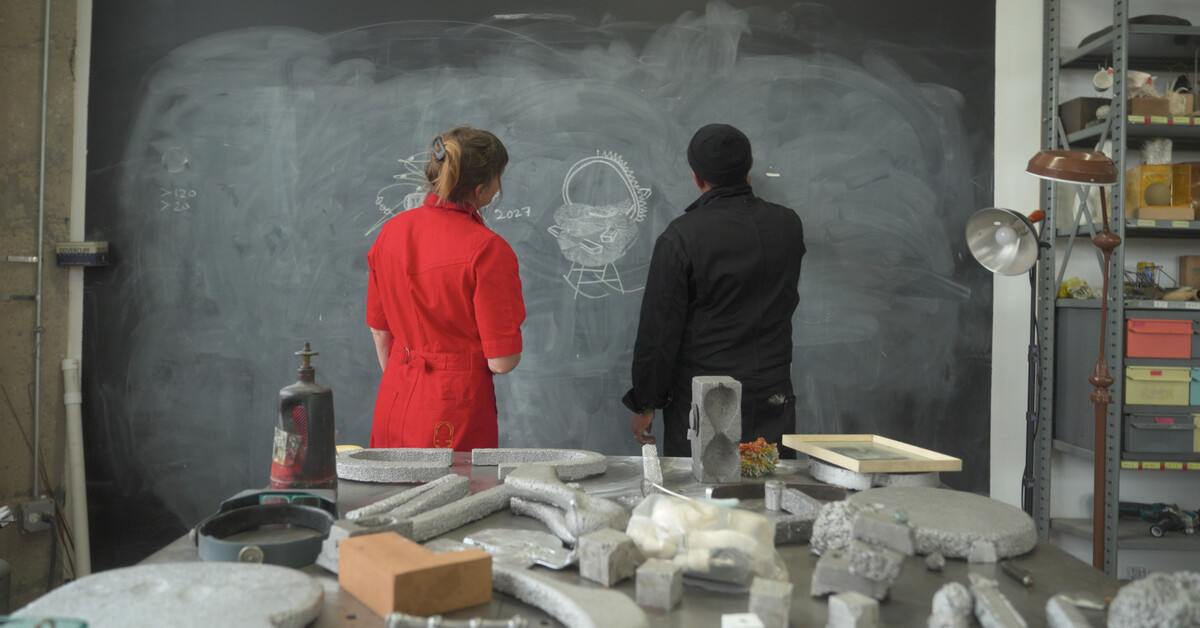
Chair-ish: Alex Chitty | Norman Teague
Cleve Carney Museum of Art
Mar 6, 2026
Mar 6, 2026
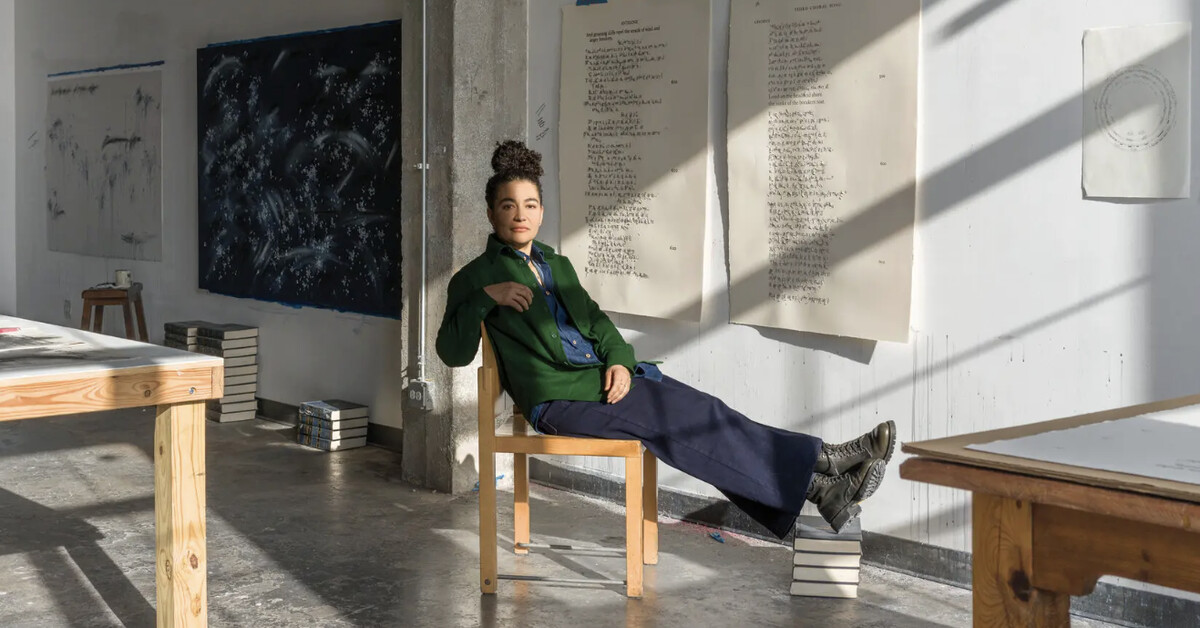
Why One Artist Transcribed All 900-Plus Pages of ‘Moby-Dick’ by Hand
The New York Times Style Magazine
Mar 4, 2026
Mar 4, 2026
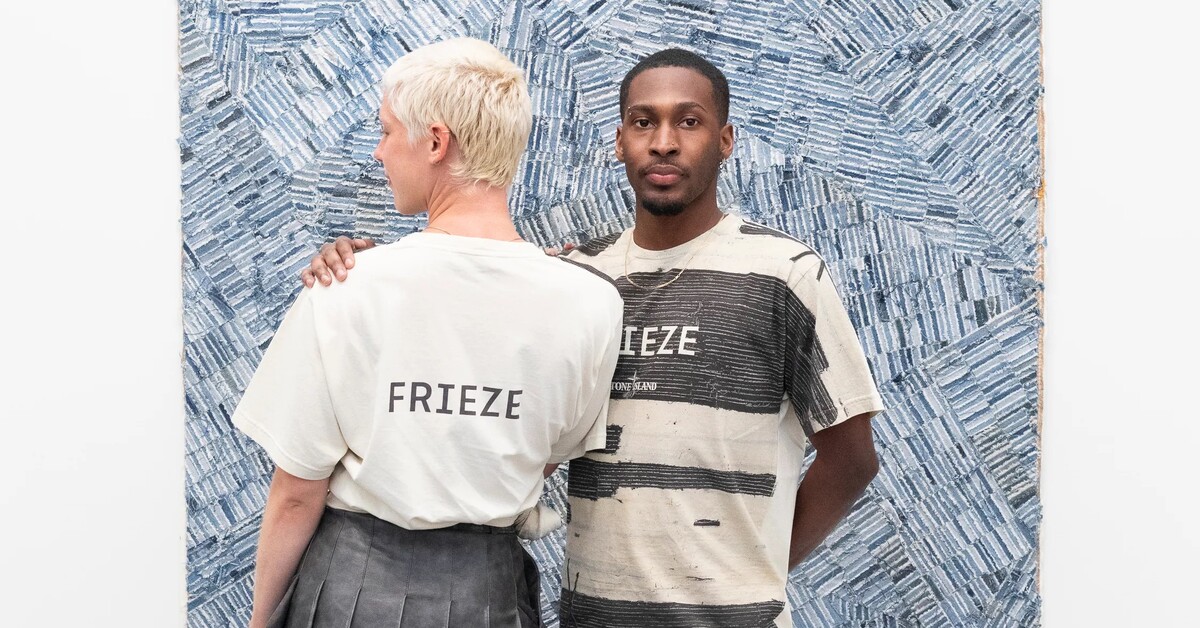
Can Brands Crack LA Art Week?
Vogue
Mar 2, 2026
Mar 2, 2026
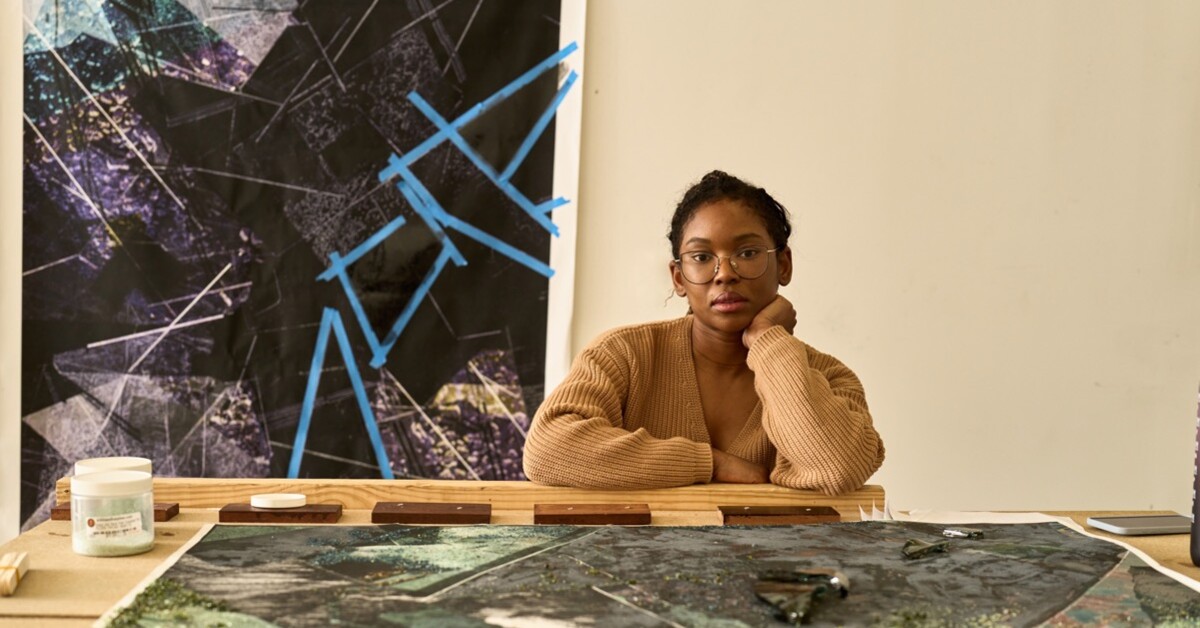
Charisse Pearlina Weston Named 2026 Hermitage Greenfield Prize Recipient
Sarasota Magazine
Jan 22, 2026
Jan 22, 2026
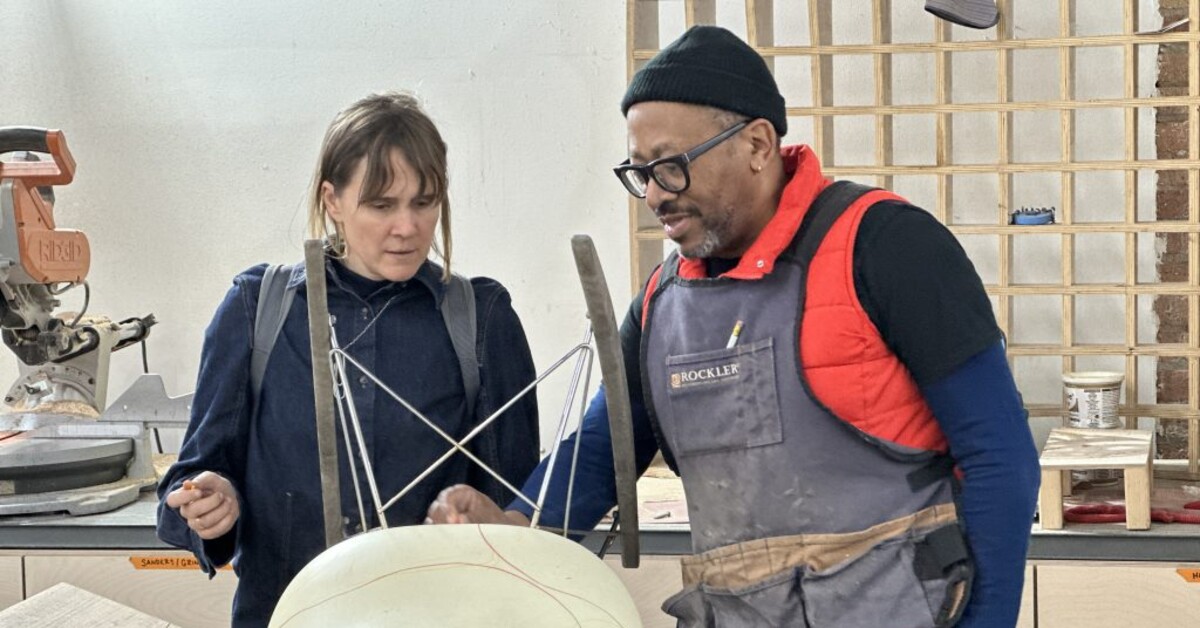
How Alex Chitty and Norman Teague Chair-ish What We Sit On
Newcity Art
Jan 21, 2026
Jan 21, 2026