The Instillation “Actos invisibles para sostener el universo” Represents Mexico at the Venice Biennale
Aristegui / May 6, 2026 / by AN Editorial Staff / HG / Go to Original
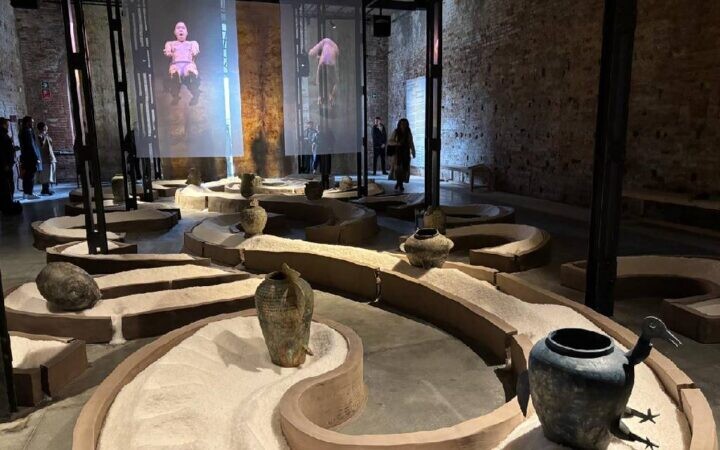
In the face of the saturation and immediacy of contemporary life, Actos invisibles para sostener el universo—by the RojoNegro collective (comprising María Sosa and Noé Martínez) and curated by Jessica Berlanga—was selected by the National Institute of Fine Arts and Literature (INBAL) to represent Mexico at the 61st International Art Exhibition – La Biennale di Venezia.
The project opens a space for contemplation that articulates memory and ritual technologies from a decolonial perspective. Through a sensory experience, the work invites attentive listening in which body, matter, and environment recognize themselves as bearers of knowledge, enabling other forms of perception and relationship with the world.
Through a practice integrating installation, performance, and sound, RojoNegro addresses the lingering effects of colonial processes on bodies, territories, and contemporary cosmogonies. The exhibition unfolds as a spiritual invocation in which the intelligence of materials—salt, clay, and tobacco—emerges through deep observation. This interplay is accompanied by an audiovisual record where breathing sets the pulse of the experience and intertwines with sounds of the earth, generating an active archival presence and a mode of expanded listening.
Inside the pavilion, a comma-shaped line of salt—a Mesoamerican symbol for speech and conversation—guides the visitor through an environment where breathing sets the rhythm of the work. Resting upon it are bird-shaped vessels, creatures that symbolically connect the Americas. The mineral absorbs moisture and takes on a sheen evocative of sweat; upon contact, the ceramic erodes, a reminder that matter, too, transforms and holds memory. Shared between organism and territory, the salt marks a moment of pause and care.
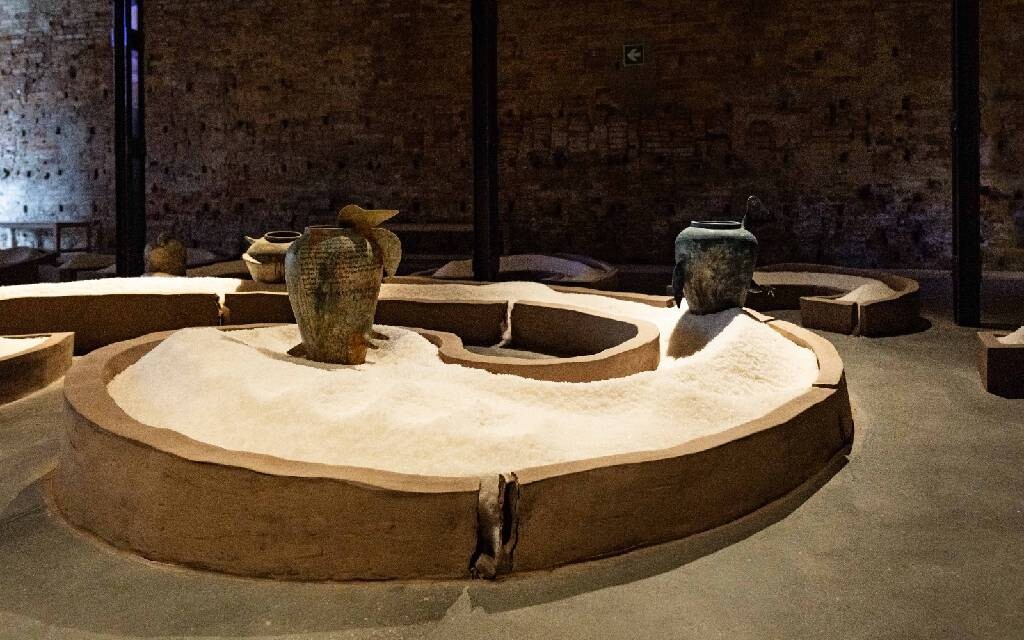
Another central element of the installation is the presence of the tobacco plant—associated with safeguarding one’s state of mind and inducing altered states of consciousness, and whose medicinal and purifying uses are documented in the Códice Florentino. The color palette of the works evokes water deities such as Huixtocíhuatl, summoning cycles of gestation, protection, and renewal, in which water, clay, and salt act as elements in dialogue.
As part of the project, a catalog will be published in July of this year, conceived as a space for documentation and reflection on Actos invisibles para sostener el universo. The publication brings together the working processes of the RojoNegro collective, as well as texts by various authors that offer a critical perspective on the work and its development, expanding upon the conceptual themes that run through the project.
Additionally, the project will feature a public program in Mexico designed to support and deepen the reflections raised by Actos invisibles para sostener el universo. This program will take place starting in the summer of 2026, and its content and activities will be announced in due course.
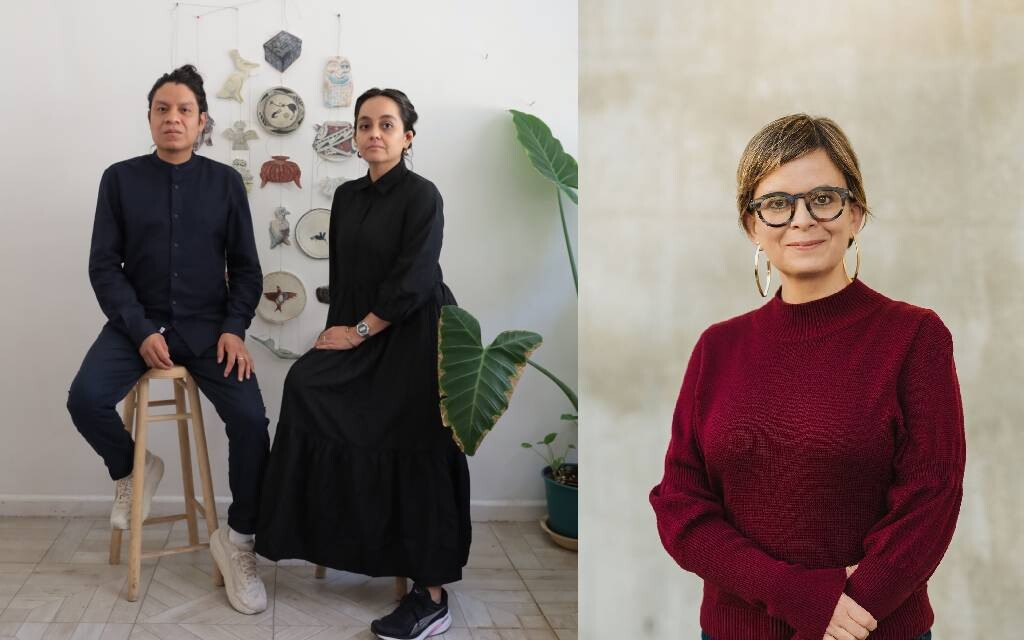
RojoNegro in Venice
RojoNegro is an artist collective comprising María Sosa and Noé Martínez, whose practice intertwines ancestral memory, bodily languages, and ritual technologies from a decolonial perspective. Through installation, performance, sound, and the use of organic materials, their work proposes forms of situated knowledge and questions the effects of colonial processes. Their work has been presented at institutions and venues in Mexico, the Americas, and Europe, and has been the subject of critical reflection by prominent voices in contemporary art.
Mexico’s participation in the Venice Biennale is part of a historical trajectory within the International Art Exhibition. Since the 1950s, Mexico has actively participated in this exhibition, featuring artists such as Diego Rivera, David Alfaro Siqueiros, Rufino Tamayo, and José Clemente Orozco, followed by others who brought Mexican art to the international stage.
Since 2007, the country has solidified its presence with a permanent Mexico Pavilion, coordinated by INBAL. Over the nearly two decades since, the Mexico Pavilion has showcased projects by artists such as Rafael Lozano-Hemmer (2007), Teresa Margolles (2009), Melanie Smith (2011), Ariel Guzik (2013), Tania Candiani and Luis Felipe Ortega (2015), Carlos Amorales (2017), and Pablo Vargas Lugo (2019), as well as Mariana Castillo Deball, Naomi Rincón Gallardo, Fernando Palma, and Santiago Borja (2022), and Erick Meyenberg (2024). The pavilion has been hosted at the Venice Arsenale since 2013, consistently strengthening the international profile of Mexican contemporary art.
The Mexico Pavilion, located within the Arsenale complex, will be open to the public from May 9 to November 22, 2026. The official opening to the public will take place on Saturday, May 9, at 11:00 a.m. (Venice time).
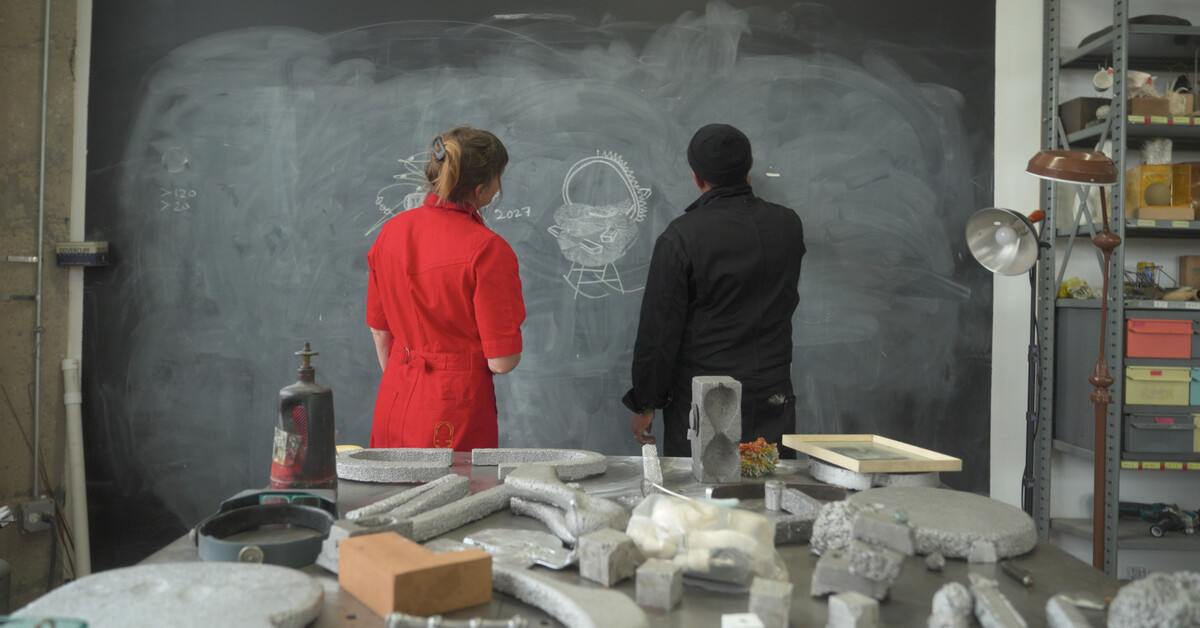
Chair-ish: Alex Chitty | Norman Teague
Cleve Carney Museum of Art
Mar 6, 2026
Mar 6, 2026
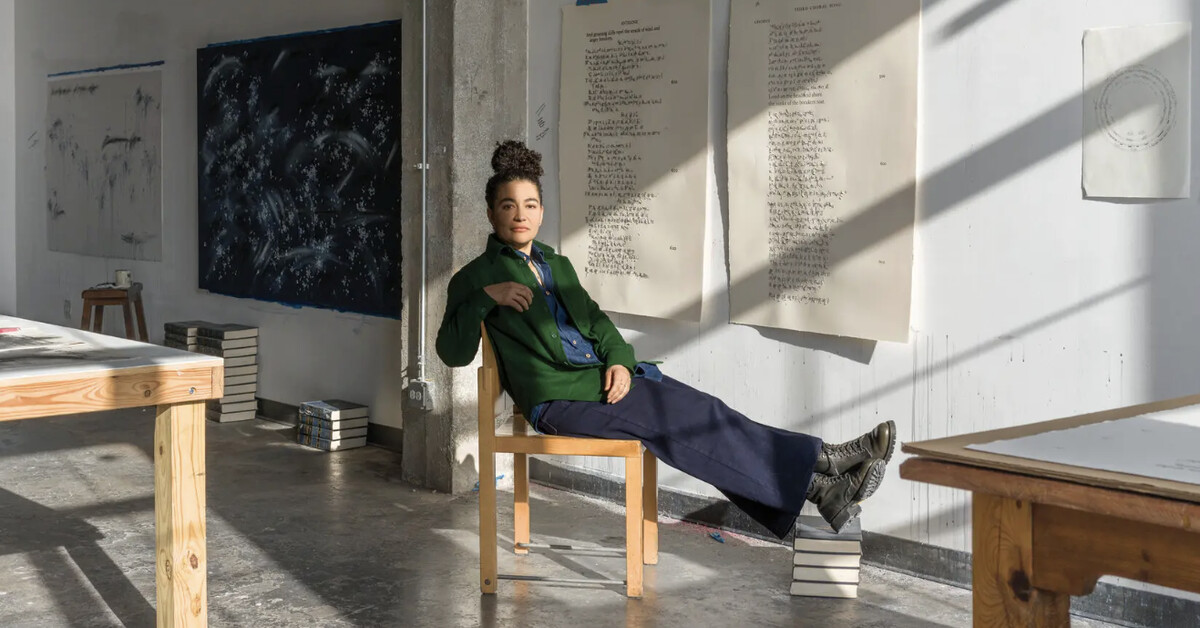
Why One Artist Transcribed All 900-Plus Pages of ‘Moby-Dick’ by Hand
The New York Times Style Magazine
Mar 4, 2026
Mar 4, 2026

Can Brands Crack LA Art Week?
Vogue
Mar 2, 2026
Mar 2, 2026
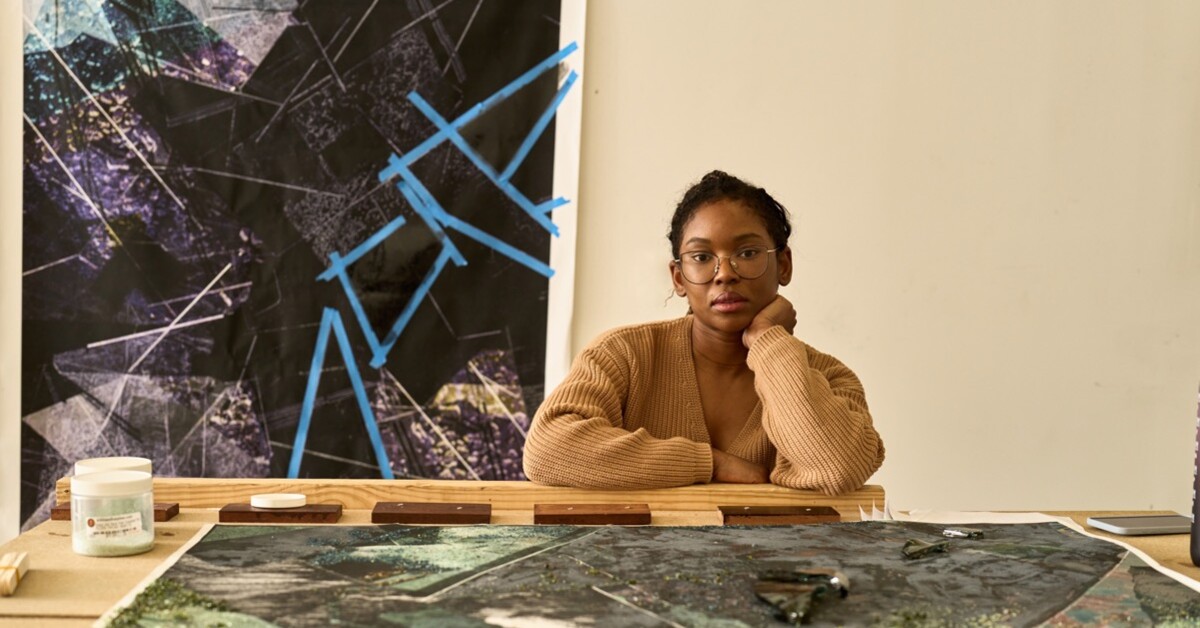
Charisse Pearlina Weston Named 2026 Hermitage Greenfield Prize Recipient
Sarasota Magazine
Jan 22, 2026
Jan 22, 2026
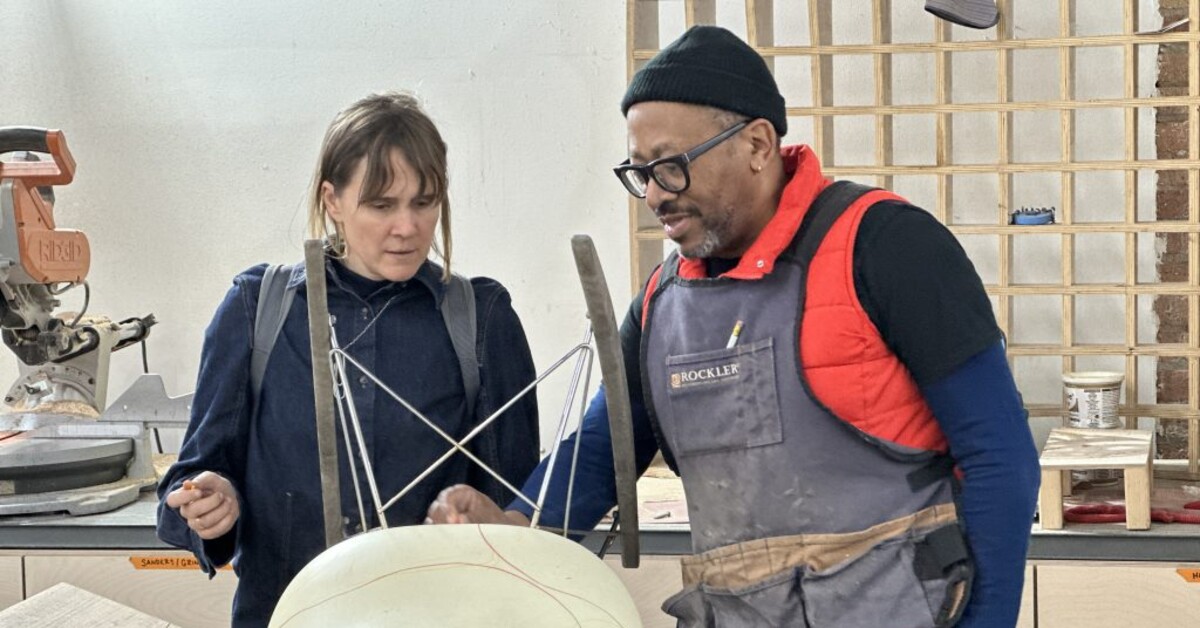
How Alex Chitty and Norman Teague Chair-ish What We Sit On
Newcity Art
Jan 21, 2026
Jan 21, 2026