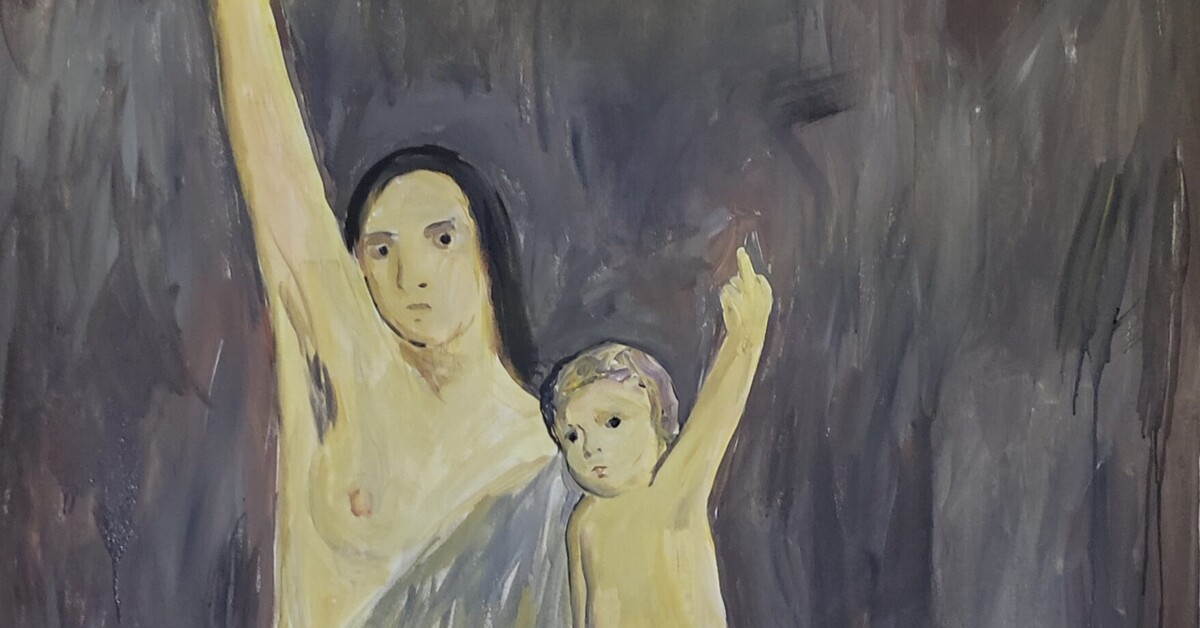
Two of a kind: At Patron, Tony Lewis and Gregory Bae explore how friendship impacts one’s artwork.
Chicago Reader / Jul 24, 2026 / by Kerry Cardoza / Go to Original
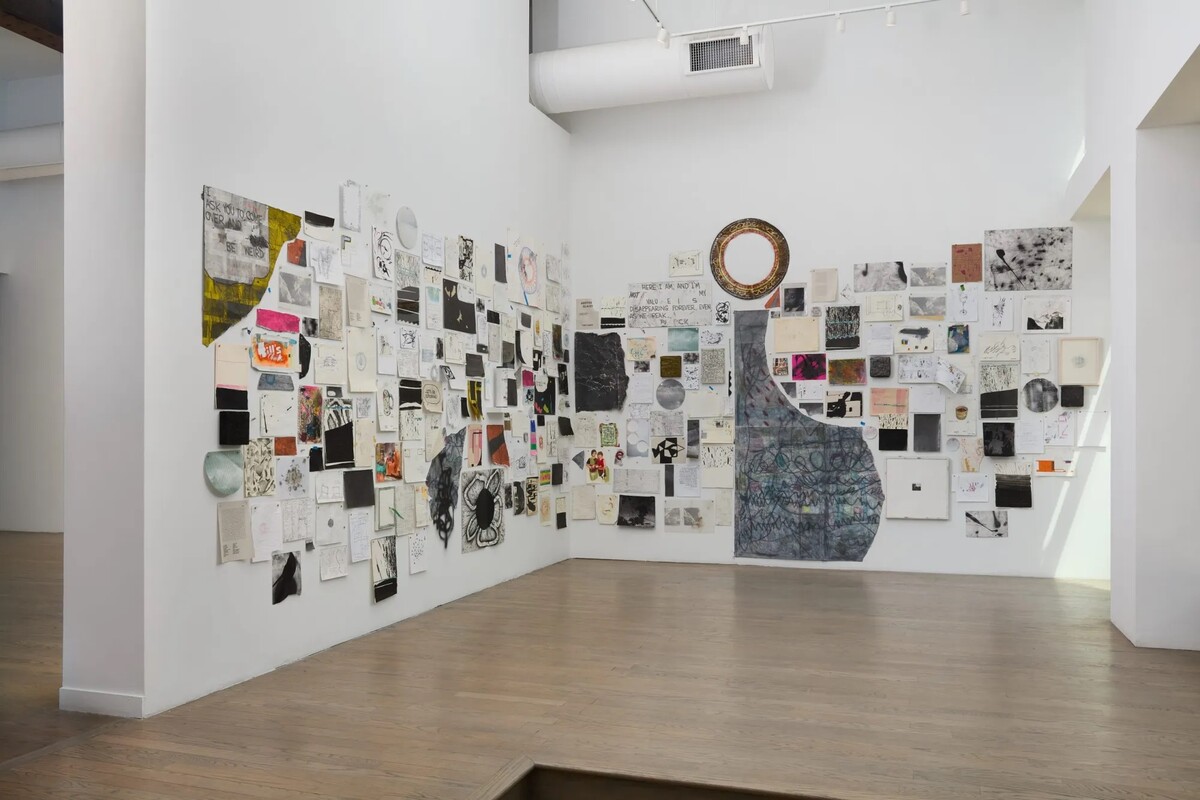
There are plenty of ways to look at “Let’s Go Exploring!,” a duo show featuring works by Tony Lewis and Gregory Bae on view at Patron. It’s an exploration of the artists’ overlapping interests in language, material, and process; an excavation of how friendship impacts one’s work; a behind-the-scenes look at their artistic practices. It’s also proof that there’s no such thing as a lone genius—which doesn’t seem like much fun anyway.
Lewis and Bae—who died in 2021—met at the School of the Art Institute of Chicago, where they were both pursuing MFAs. They became friends and frequent collaborators. As this exhibition makes clear—most poignantly in the street-facing installation of sketches, ephemera, and miscellaneous studio detritus—the pair were two of a kind, fellow travelers on the road of artmaking.
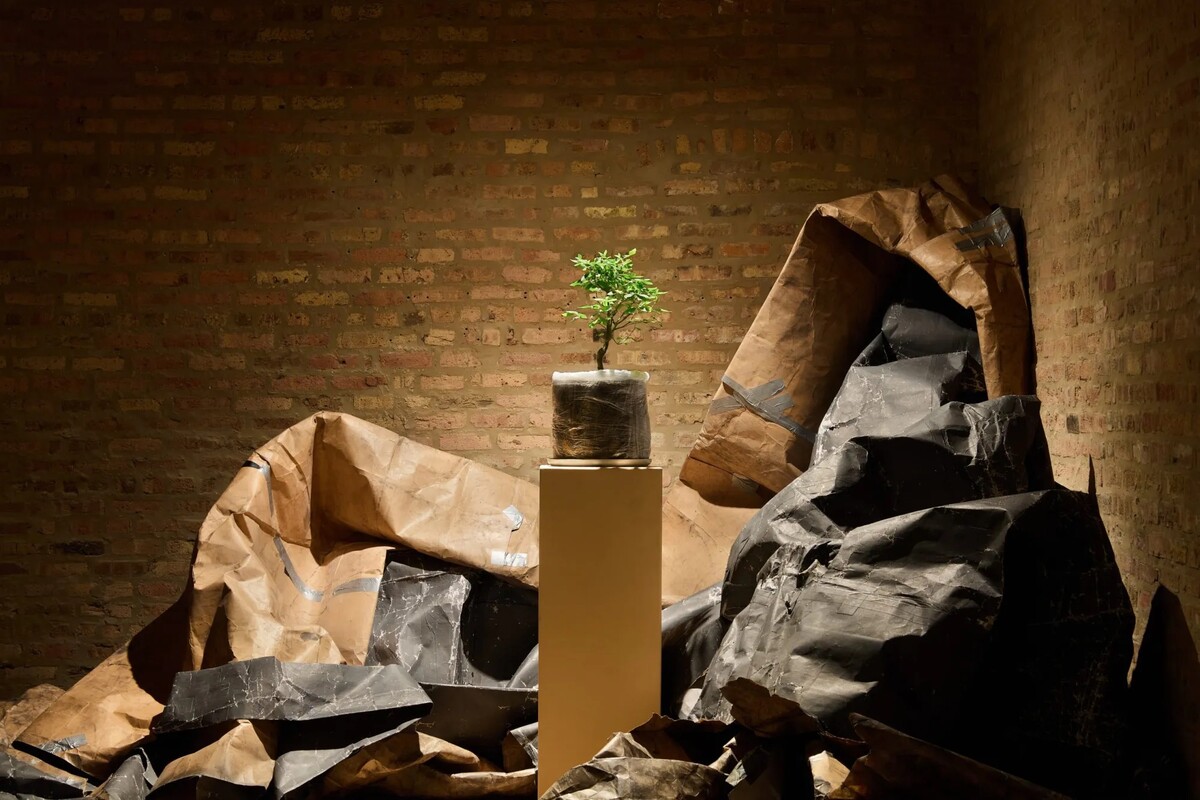
While exhibitions like this keep Bae’s work in motion, his memory alive, his thinking in dialogue with today—a certain level of heaviness, and tenderness, hangs over the show. It’s present in Bae’s two-channel video, One Coinciding Moment Felt in Rotation on 6.22.16 San Francisco/ 06.23.16 Milano, wherein Bae and a friend nine time zones away simultaneously documented their sunrise and sunset. The video is installed on opposite walls of a gallery, with two armchairs nestled side by side for viewing, faced in either direction. It’s present in the rear gallery, which consists of installations by each artist. From Bae, a potted Bonsai tree installed under a spotlight; from Lewis, a massive architectural drawing of a basketball court, crumpled from transit and arranged in a mass partially enveloping the tree.
But it’s especially present in the archival materials on view: the photos, the show flyers, the drawings of cocktails, the whiskey container labeled “Korean blood.” The artists shared an affinity for Calvin and Hobbes, from which the exhibition takes its name; it tracks—the absurdist humor, the reverence for the imagination, the foregrounding of friendship. The comic appears frequently here, often in gorgeous abstracted excerpts made by Lewis. Many such works could serve as a thematic underpinning of the show, but I’ll leave you with this one, an utterance to a true head: “I ask you to come over and be weird.”
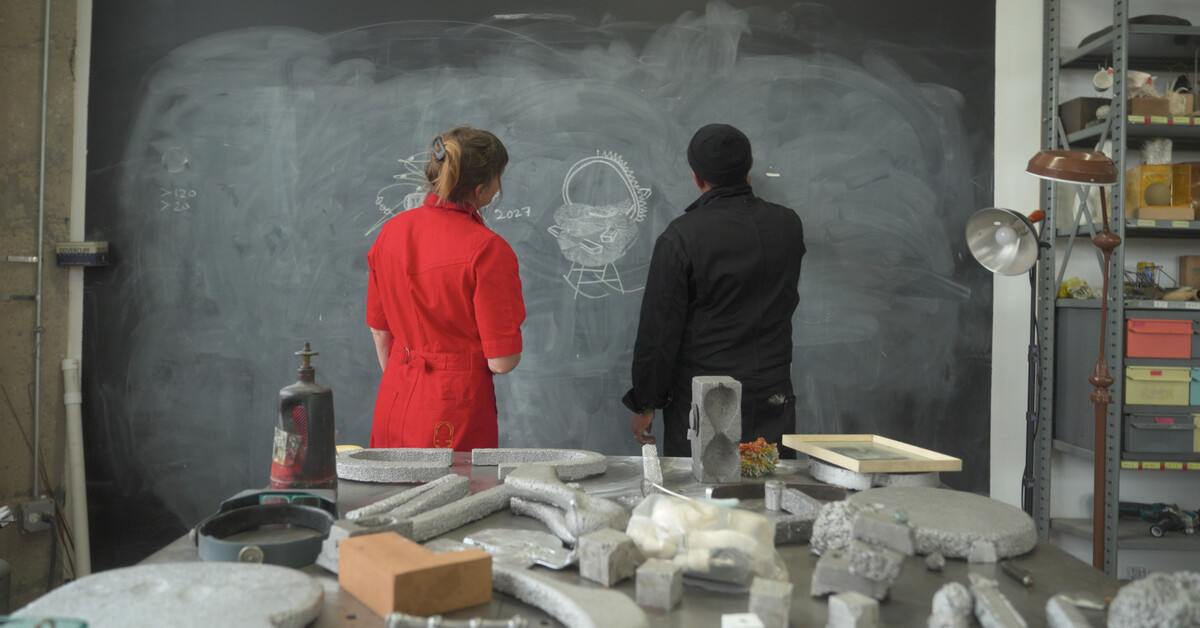
Chair-ish: Alex Chitty | Norman Teague
Cleve Carney Museum of Art
Mar 6, 2026
Mar 6, 2026
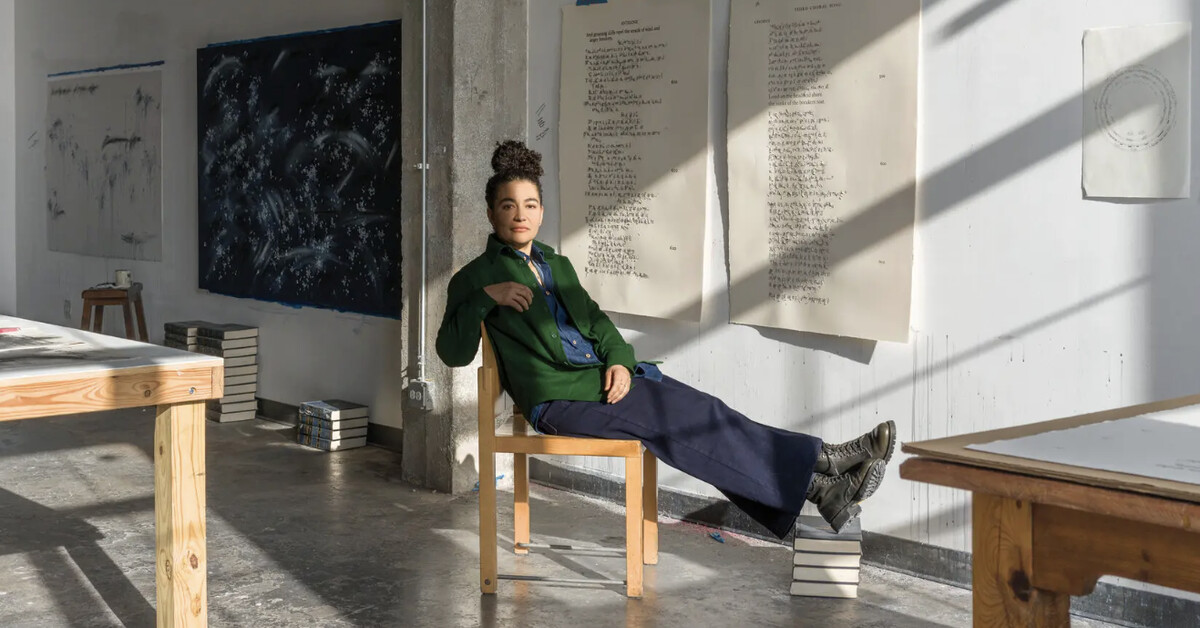
Why One Artist Transcribed All 900-Plus Pages of ‘Moby-Dick’ by Hand
The New York Times Style Magazine
Mar 4, 2026
Mar 4, 2026
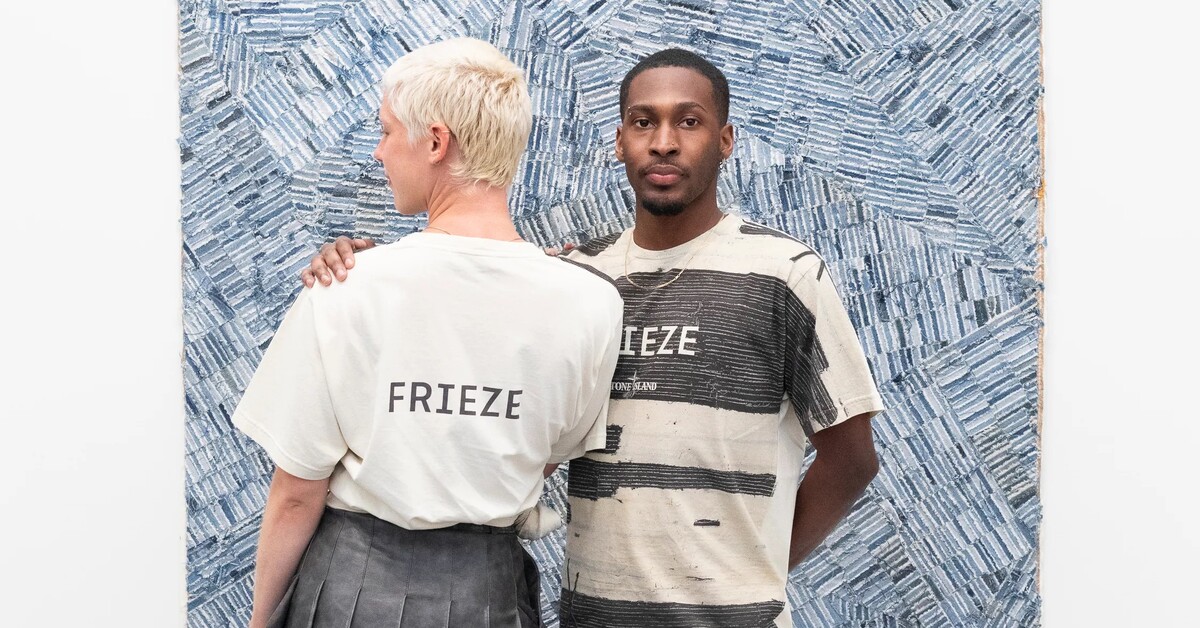
Can Brands Crack LA Art Week?
Vogue
Mar 2, 2026
Mar 2, 2026
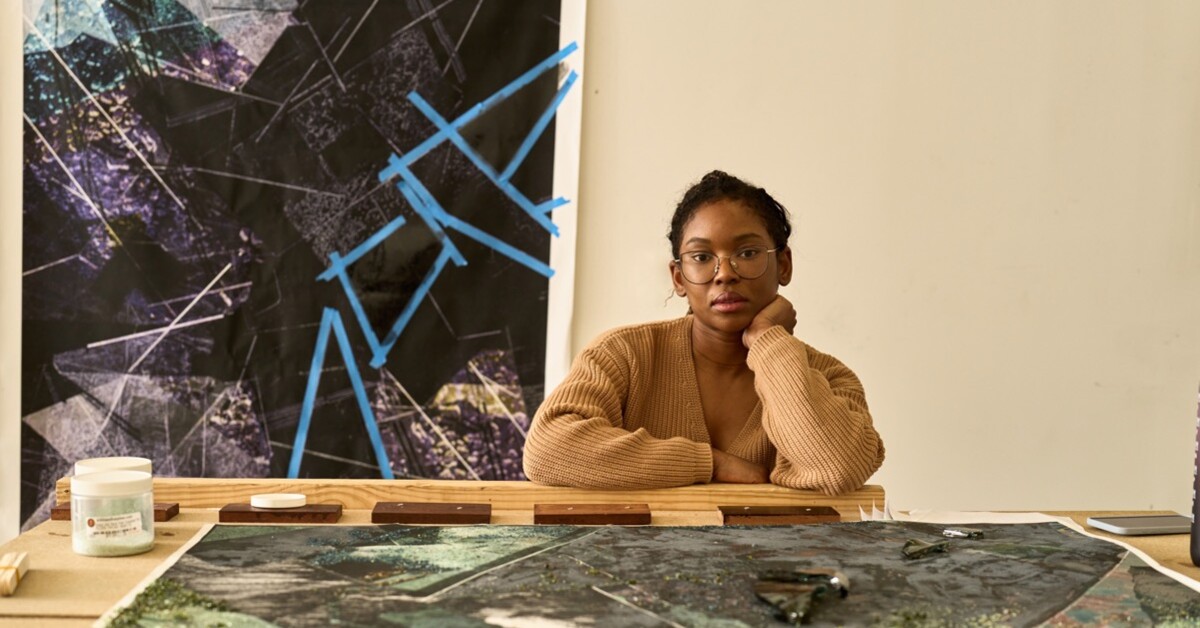
Charisse Pearlina Weston Named 2026 Hermitage Greenfield Prize Recipient
Sarasota Magazine
Jan 22, 2026
Jan 22, 2026
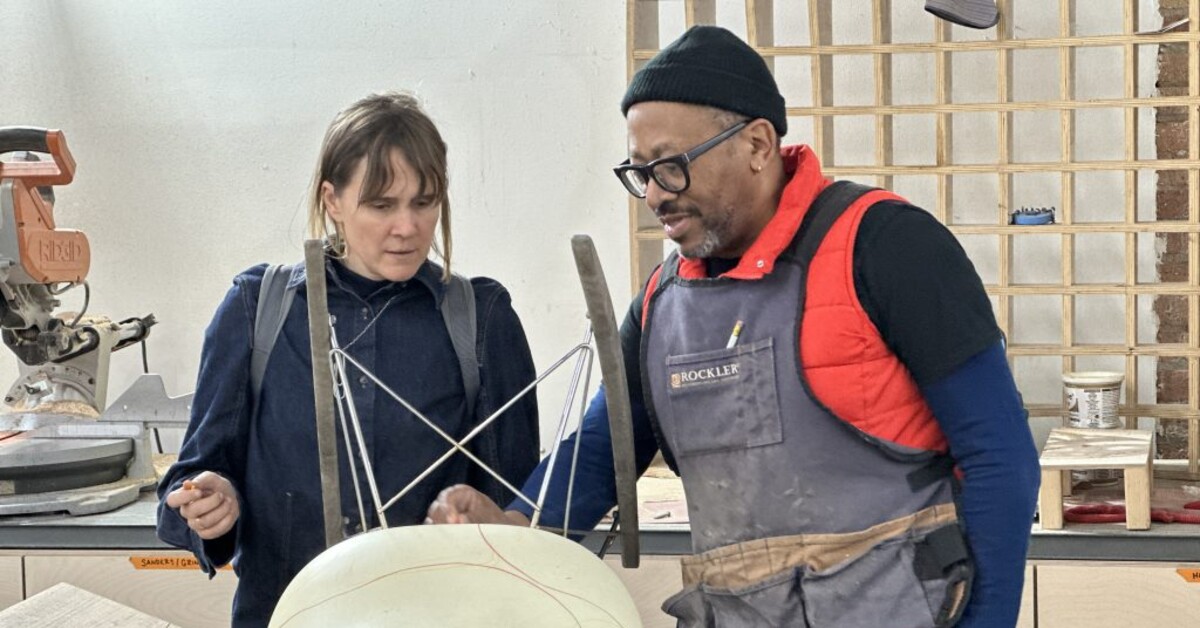
How Alex Chitty and Norman Teague Chair-ish What We Sit On
Newcity Art
Jan 21, 2026
Jan 21, 2026