Claire Sherman’s Faulkner-Tinged Exhibition
NewCityArt / Sep 24, 2026 / by Teddy Sandler / Go to Original
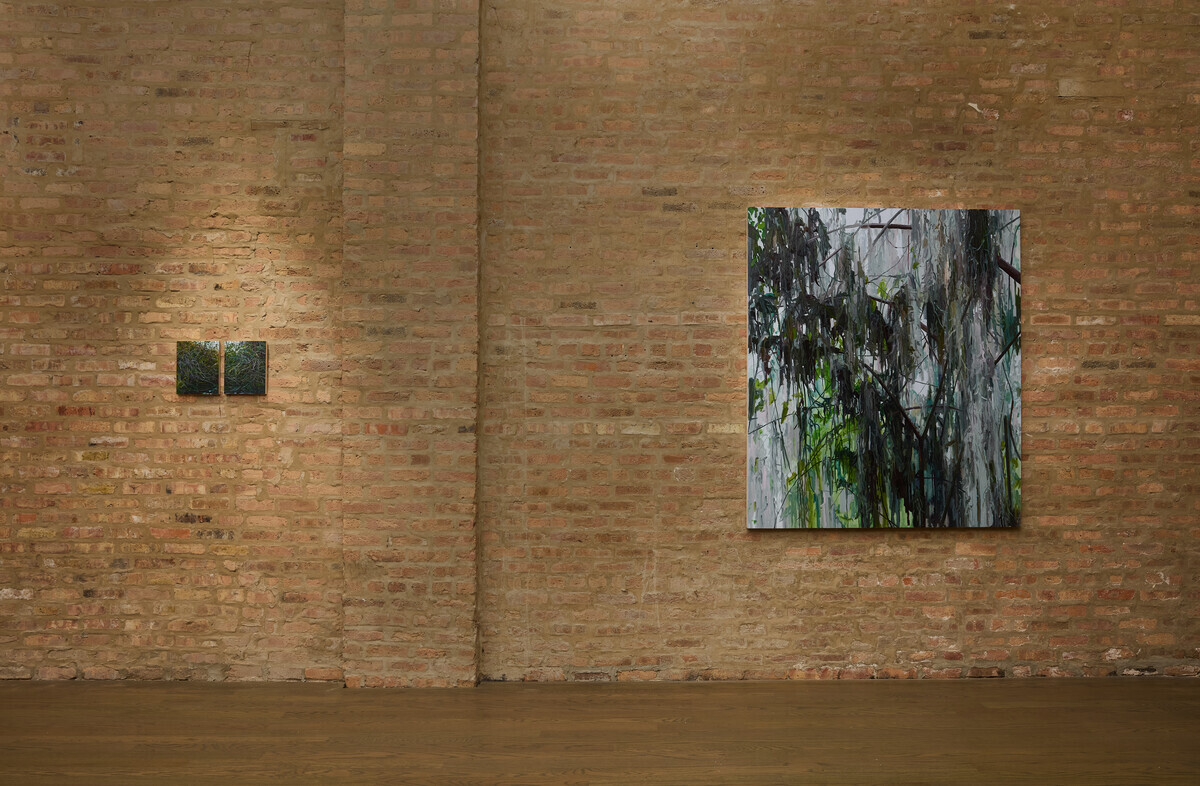
The air of American life, flattened along suburban model homes and cookie-cutter quarters vests, uniquely expands within the land’s revered ecological beauty. Pushing into the bramble, Claire Sherman pulls her audience along to view the landscape through her painting hand. In her new presentation, “Tannic Waters” at Patron Gallery, five paintings flash in the back room. A recent revisitation of William Faulkner drives this project and parallels the presentation, which narratively ties her travels to his estate and swamplands of the American South. More than a slideshow to leaf through, her paintings awaken complicated scenes and characters competing for attention. On view until October 31, Sherman continues the legacy of representing the natural sublime.
Lumps of glistening oil pile as Sherman paints in streaks. All of her works are aptly named for their subject matter. Her eagerly rushed layers do not wait for the previous strokes to dry. Force carries onto the canvas with recesses of color near bisecting lines. “Tree and Vines” (2026) centers on an erupting wood draped in vines. The mesmerizing dark swatches of bark along the base pull the eye through the blue-green tangle into the deep, bewitching magenta that runs up from the similarly black but auburn-tinged dirt. The puissant heart of this swampy pylon binds the forest, the tree’s higher edge seemingly disappearing into the clearing as the scrambled mass parts to reveal the middle ground. Each line turns the natural figures out of the tapering landscape. This séance at the soil presents a unified front with brushwork that colludes to shield the origins of Sherman’s ancient characters.
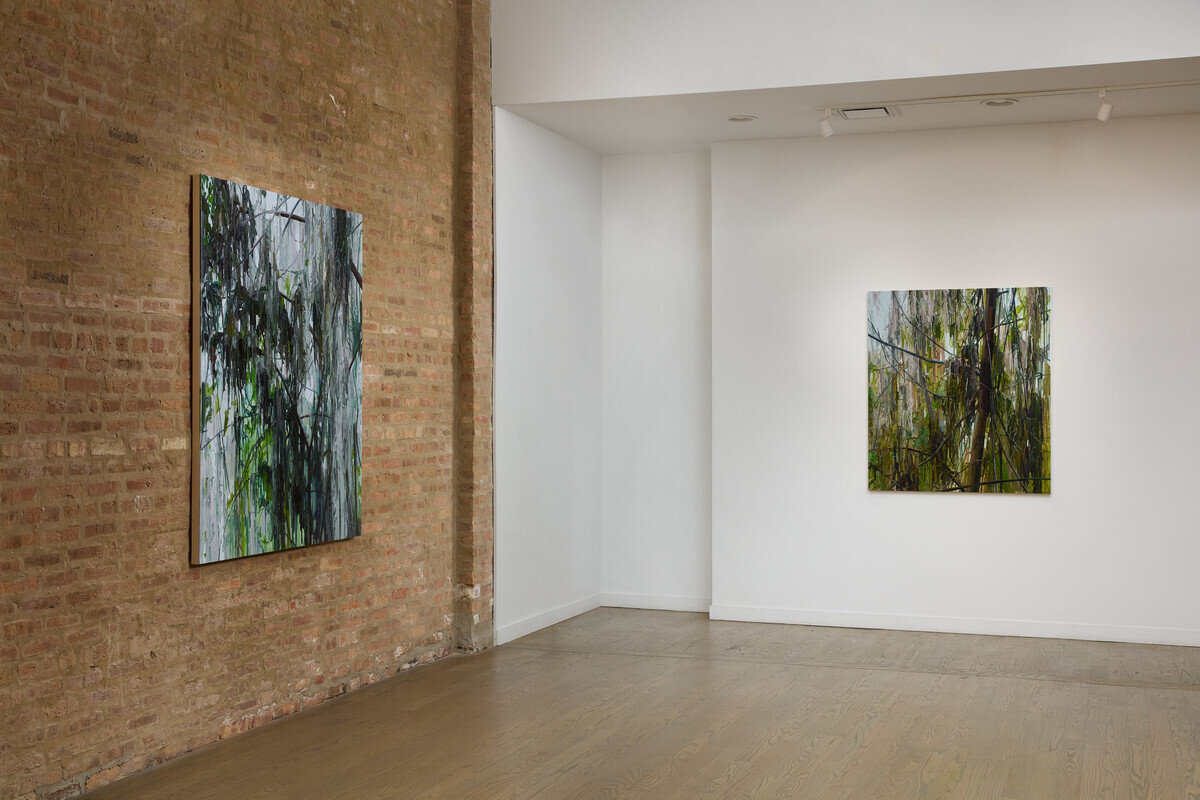
Opposed to Sherman’s large canvases, “Swamp” (2026) is a small diptych. It’s an almost humorous relief to the others; the miniature size forces an altered technique to cope with the narrowed field of vision. On this scale, her bigger, drier brush replicates her creeping vines in the distance in pastels. These unnatural colors pop near the cartoonish yellows, buried or mixed with blues to make a plethora of greens. From the two canvases’ far sides, rootlike structures curl and stretch to their inverted partners who reach out, seemingly knowing that with growth they will lovingly embrace. If not for the canvases’ placement, aligning the bog, they could be separate locations or different points in time for their color palette. From left to right, the ground and branches open and crimp. The true trick is Sherman’s use of perspective again that translates her memory and photography of her travels like an evolving field.
Her quick strokes and darts around the canvas mirror William Faulkner’s stream of consciousness technique—seeming diversions from a course that complete the psyche. Both explore the American South; the land remains a battleground for tense politics that laminate the social fabric. Hot topics bubble, making “Tannic Waters” an urgent show in the paved swamp of Chicago. The oft-misquote of Faulkner: “to understand the world you must first understand a place like Mississippi,” still rings true as Sherman’s exploration of the South’s wetlands further refines her ability to abstract charged elements as she ever more precisely defines a complex state.
“Claire Sherman: Tannic Waters,” at Patron Gallery, 1612 West Chicago, through October 31.
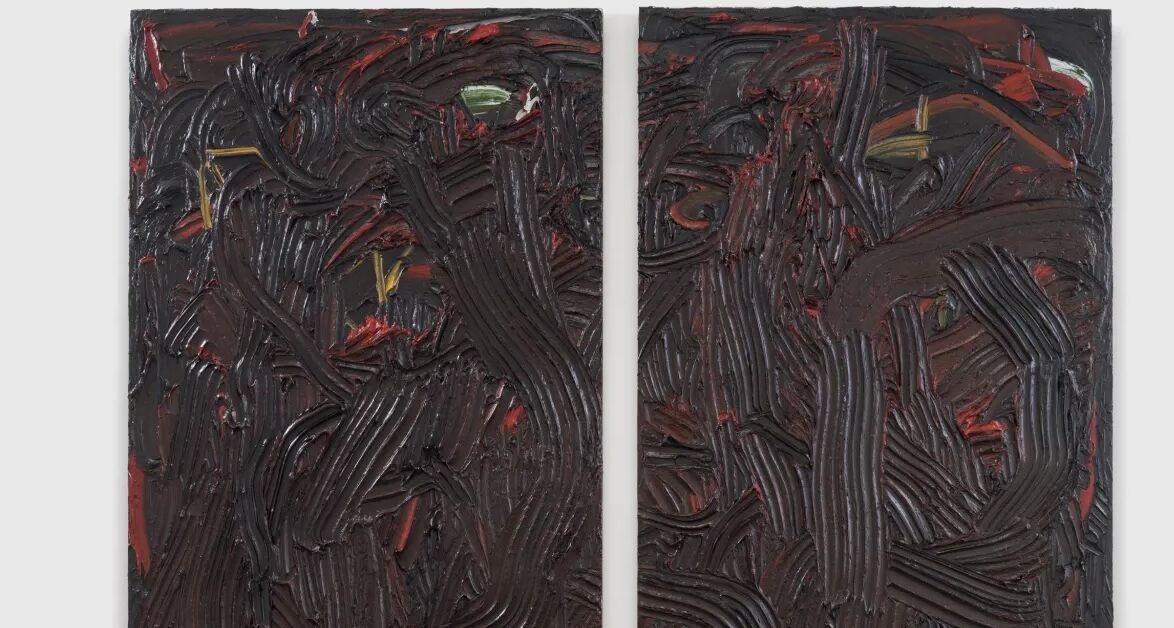
Muck Made Form: Liat Yossifor Piles It On At Michael Benevento
ArtForum
Oct 17, 2026
Oct 17, 2026
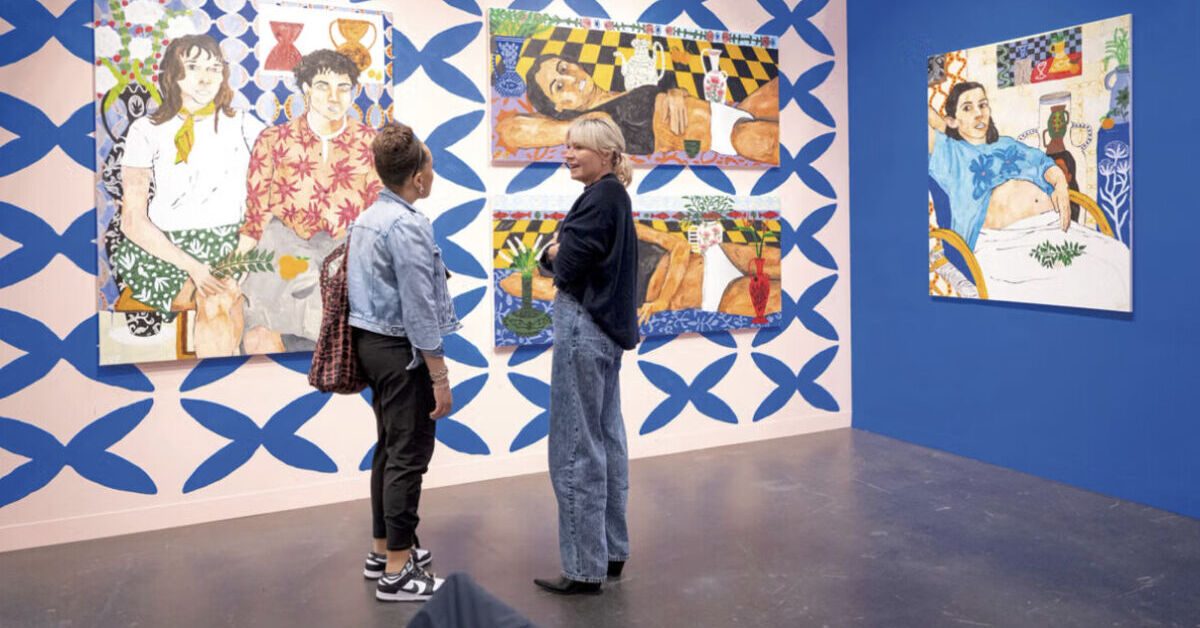
The Armory Show spotlights Caribbean artists and galleries
The Art Newspaper
Sep 23, 2026
Sep 23, 2026
Mike Cloud & Nyeema Morgan on ‘Story Structure, Pt. 2’ at the Neubauer Collegium for Culture and Society (video 1)
Neubauer Collegium for Culture & Society
Oct 17, 2026
Oct 17, 2026
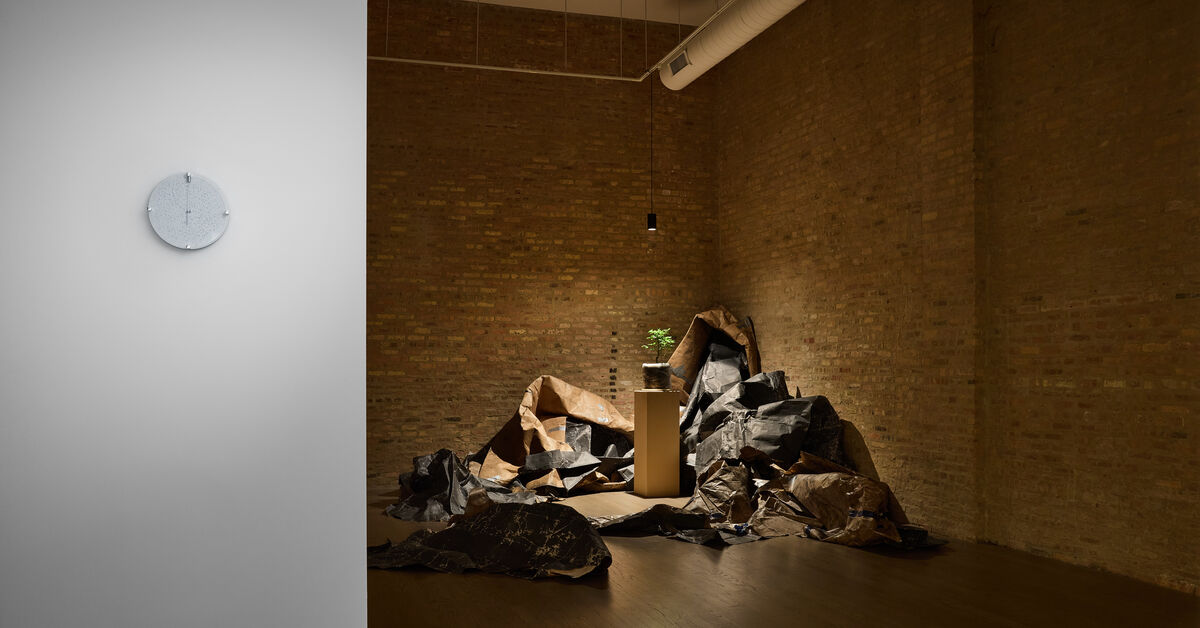
On friendship: Gertie’s curatorial director muses on the distance between friends.
Chicago Reader
Aug 3, 2026
Aug 3, 2026
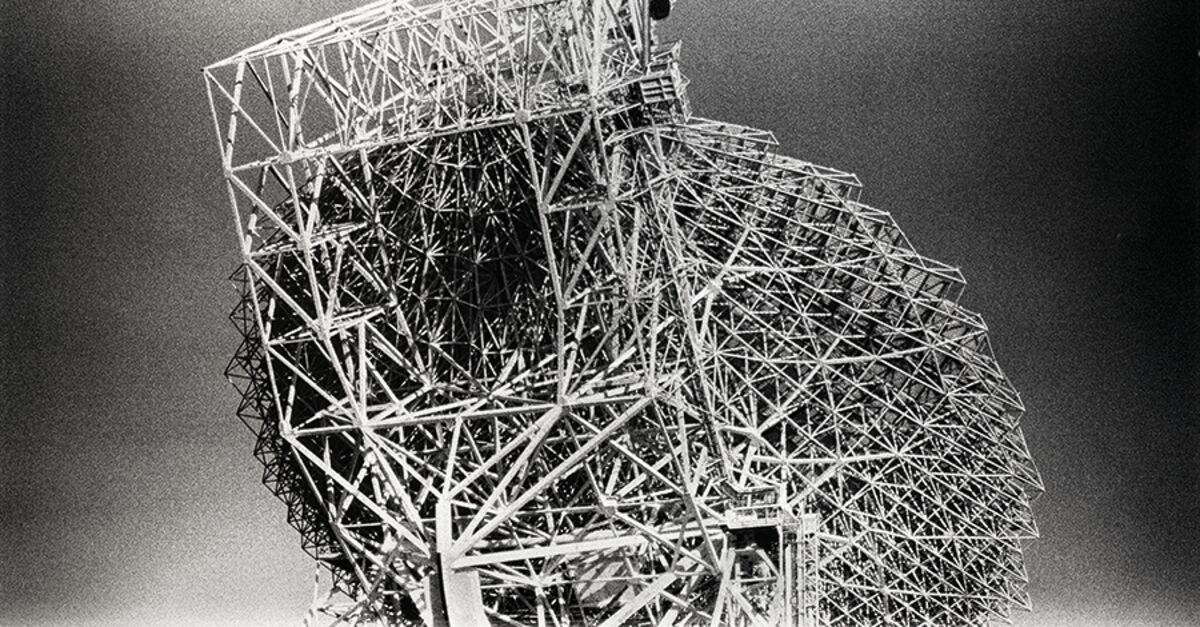
Bringing the Cosmos Down to Earth
Frieze
Aug 26, 2026
Aug 26, 2026
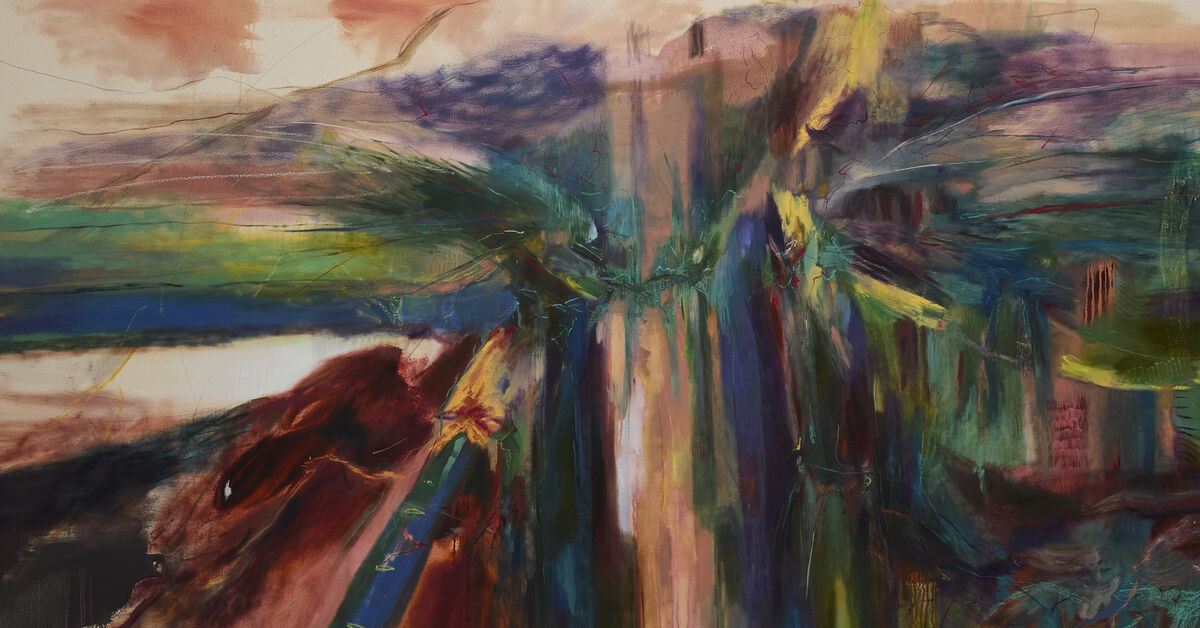
Nour Malas | When I Arose, I Was Reborn
Flaunt Magazine
Aug 11, 2026
Aug 11, 2026