
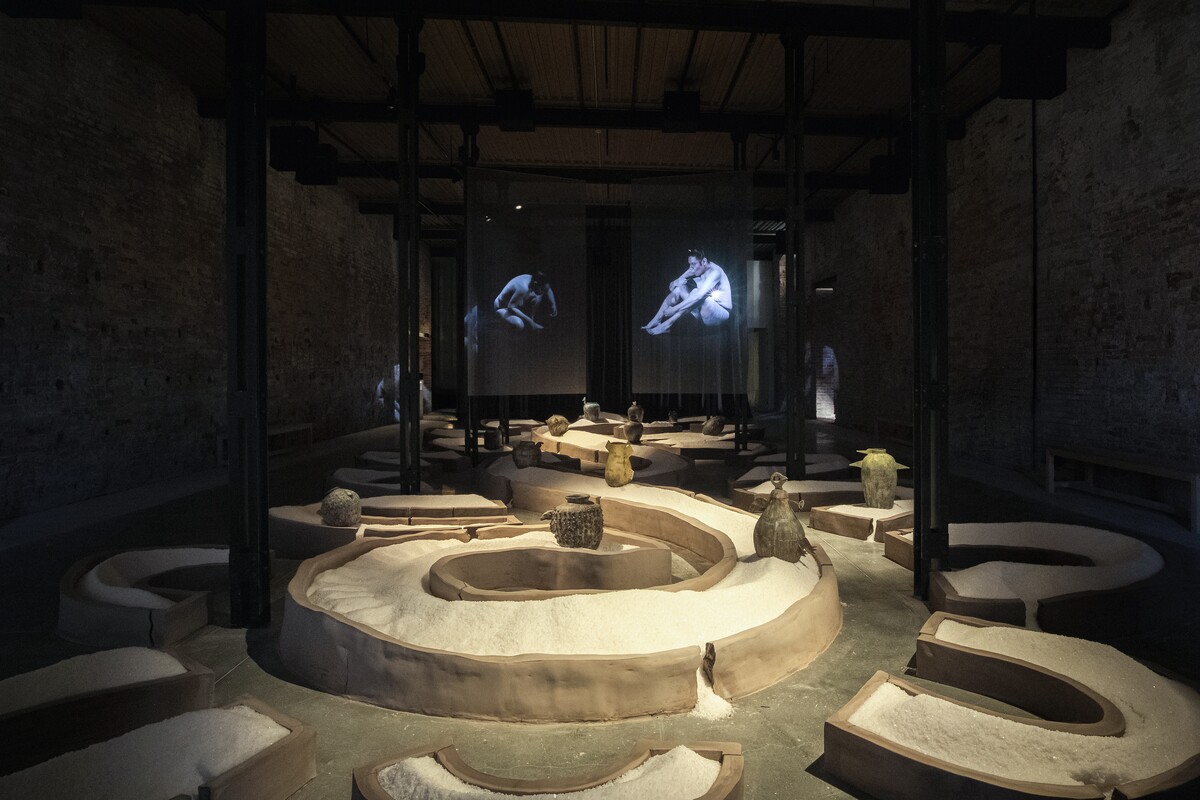
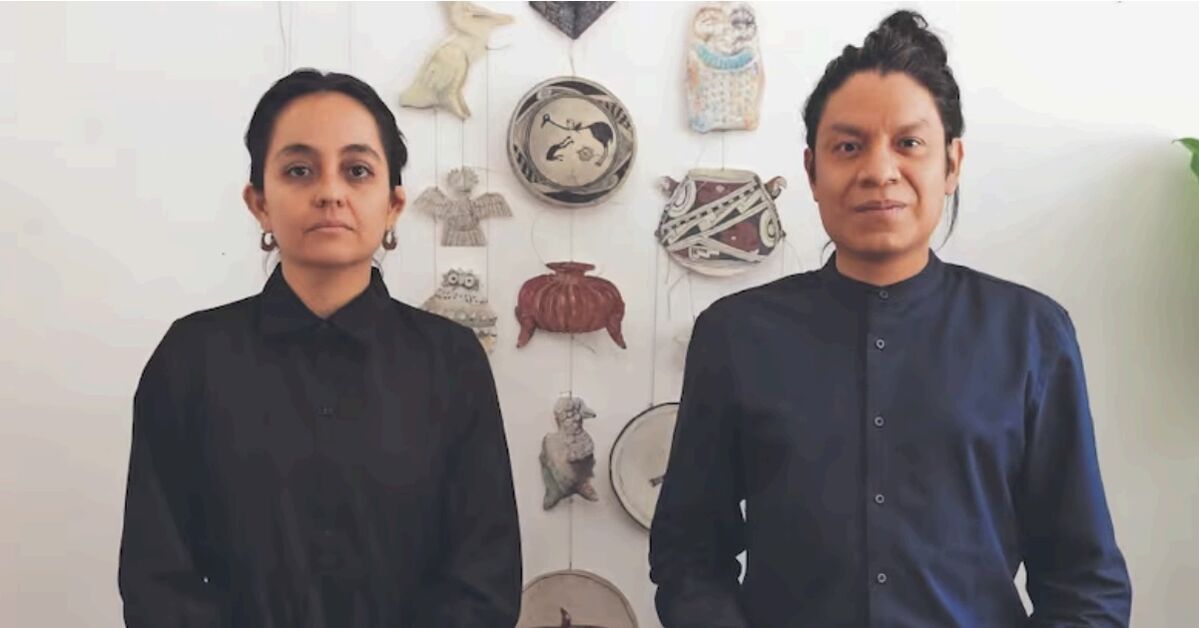
RojoNegro, the collective formed by Noé Martínez and María Sosa, represents Mexico at the 61st Venice Biennale. Their exhibition, Actos invisibles para sostener el universo, is curated by Jessica Berlanga Taylor.
To cross a threshold is to step inside another spatial and temporal order. Noises fade, the body slows down, and the world pauses.
Actos invisibles para sostener el universo unfolds as a device that activates rituality, not as symbolic representation, but as formalized, performative, and politically effective action: a poetics of presence that is, at the same time, a political stance. It is an offering that summons material, bodily, and spiritual intelligences to repair what the contemporary world fractures. Through installations, performance, and sound, the artistic practice of RojoNegro interweaves ancestral memory, the body, and ritual technologies from a decolonial perspective, rooted in Indigenous, Afro-Mexican, and rural epistemologies.
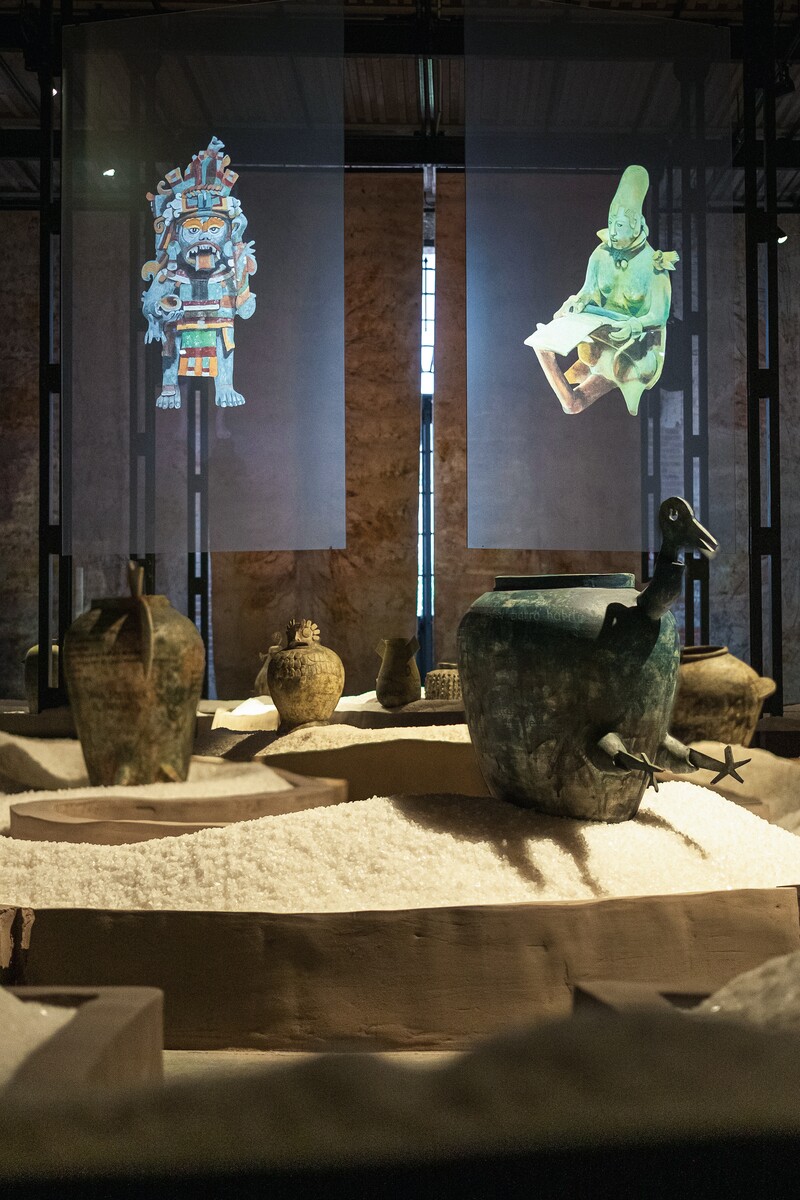
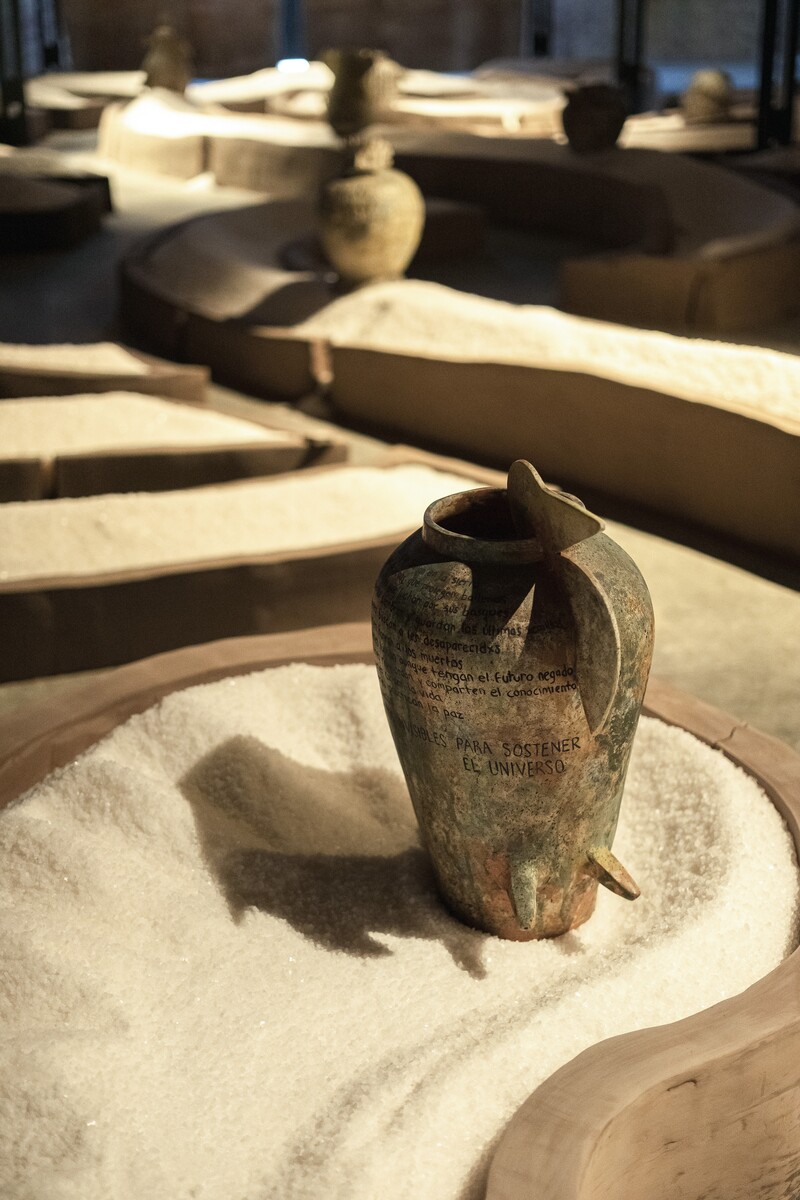
The space unfurls as an invocation. A river-serpent of salt traces a path in the form of the Mesoamerican symbol for language and conversation. Upon it rest clay vessels depicting different birds: beings that connect the Americas and mediate between worlds. The salt absorbs moisture and takes on the sheen of sweat; the ceramic erodes through contact, reminding us that matter also learns and transforms. The material dimension—salt, clay, tobacco—expands as a constellation of sensory memories, accompanied by an audiovisual field in which breath sets the overall pulse, intertwined with sounds of the earth.
In this ecosystem infused with forest and ritual smoke, the materials are not merely objects: they are living agents that affect one another, co-creating a breathing, relational field. The rite does not represent: it interacts. It summons nonhuman agents—ancestors, forces, and energies. It operates as a technology of mediation between the visible and the invisible, reactivating forms of knowledge marginalized by the colonial narrative in order to reclaim the body, the earth, and memory as sites of transformation and restitution.
In the face of the violence exerted by acceleration, Invisible Acts to Sustain the Universe reclaims slowness, rest, and mourning as radical forms of care. It invites us to recognize the body as always already hybrid—human, animal, cosmos, ancestor—and is embedded in a network of interdependencies that reveals itself only when one pauses to listen: a fabric through which intelligence circulates among bodies, historical and dreamlike memories, and physical, natural, and spiritual territories.
The past is where the future lives.
There are intelligences that only awaken in the silence of the rite. In that awakening, the illusion of separation dissolves.
Everything breathes in unison.
-Jessica Berlanga Taylor
“Dancing to Sustain the Universe”: Mexican Art at the Venice Biennale
El Universal
May 7, 2026
May 7, 2026
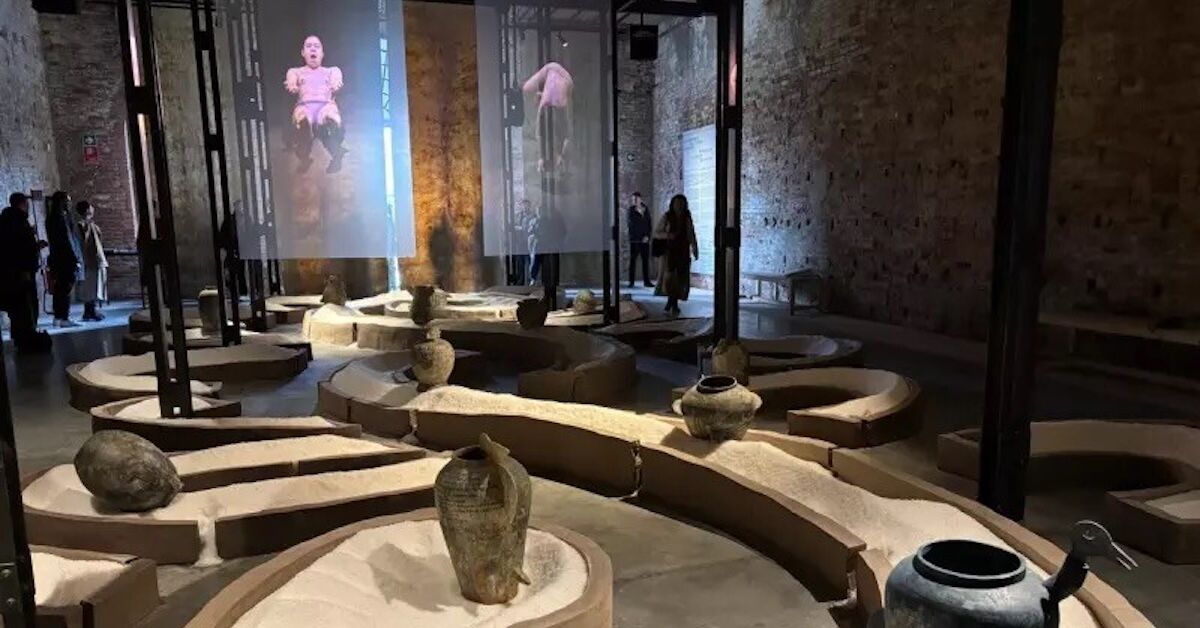
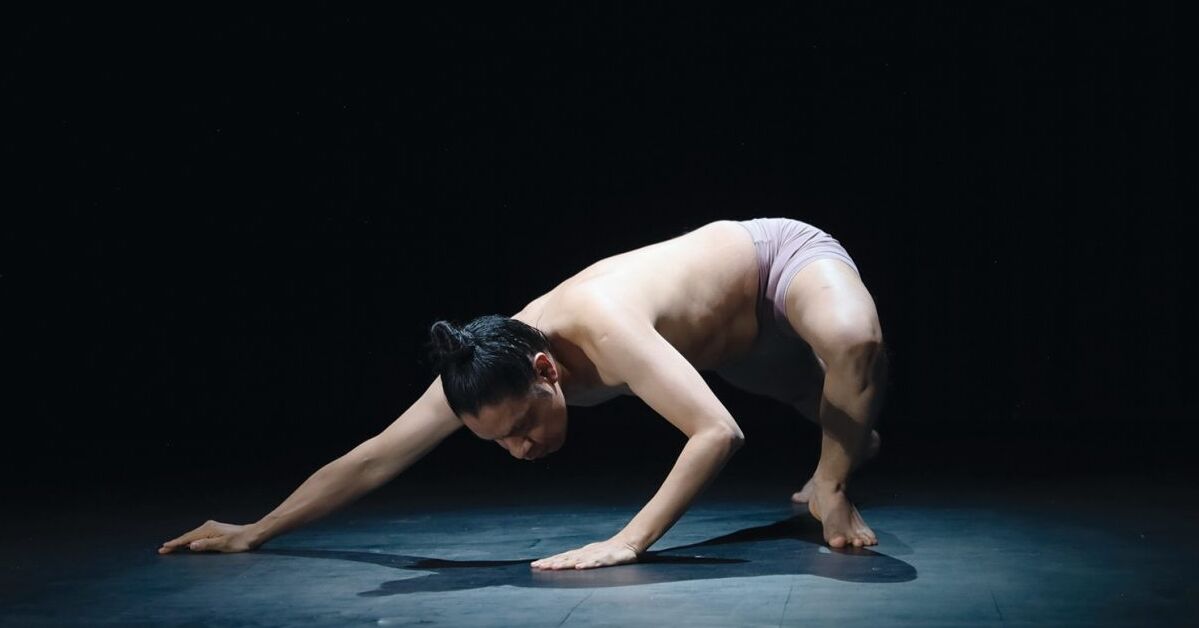
RojoNegro: Mexico at the Venice Biennale
Letras Libres
Jun 1, 2026
Jun 1, 2026
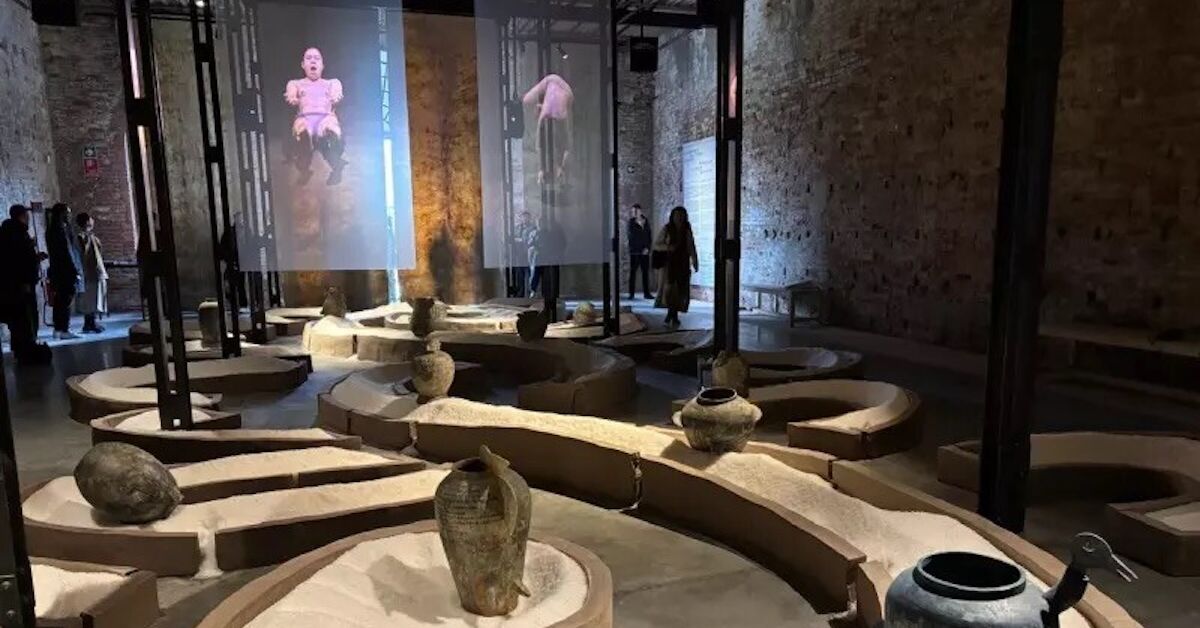
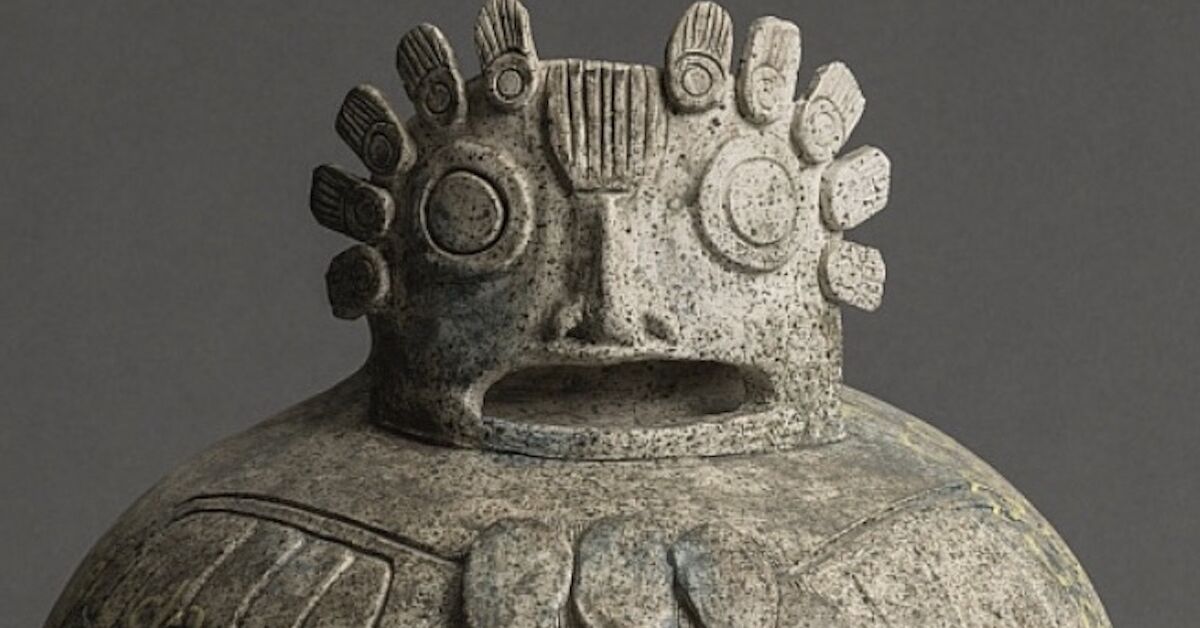
The RojoNegro collective establishes a dialogue between the body and history.
La Jornada
May 27, 2026
May 27, 2026
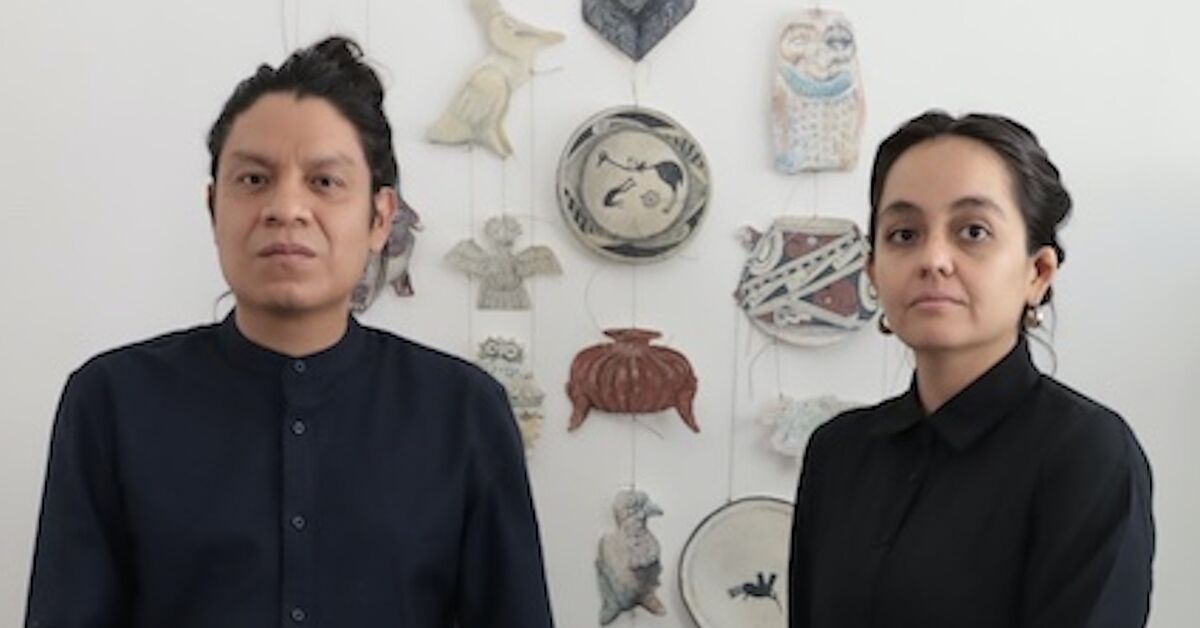
RojoNegro on Ritual, Resistance, and Indigenous Futures at the Venice Biennale
Abirpothi
Jun 19, 2026
Jun 19, 2026